
Last updated November 22, 2026
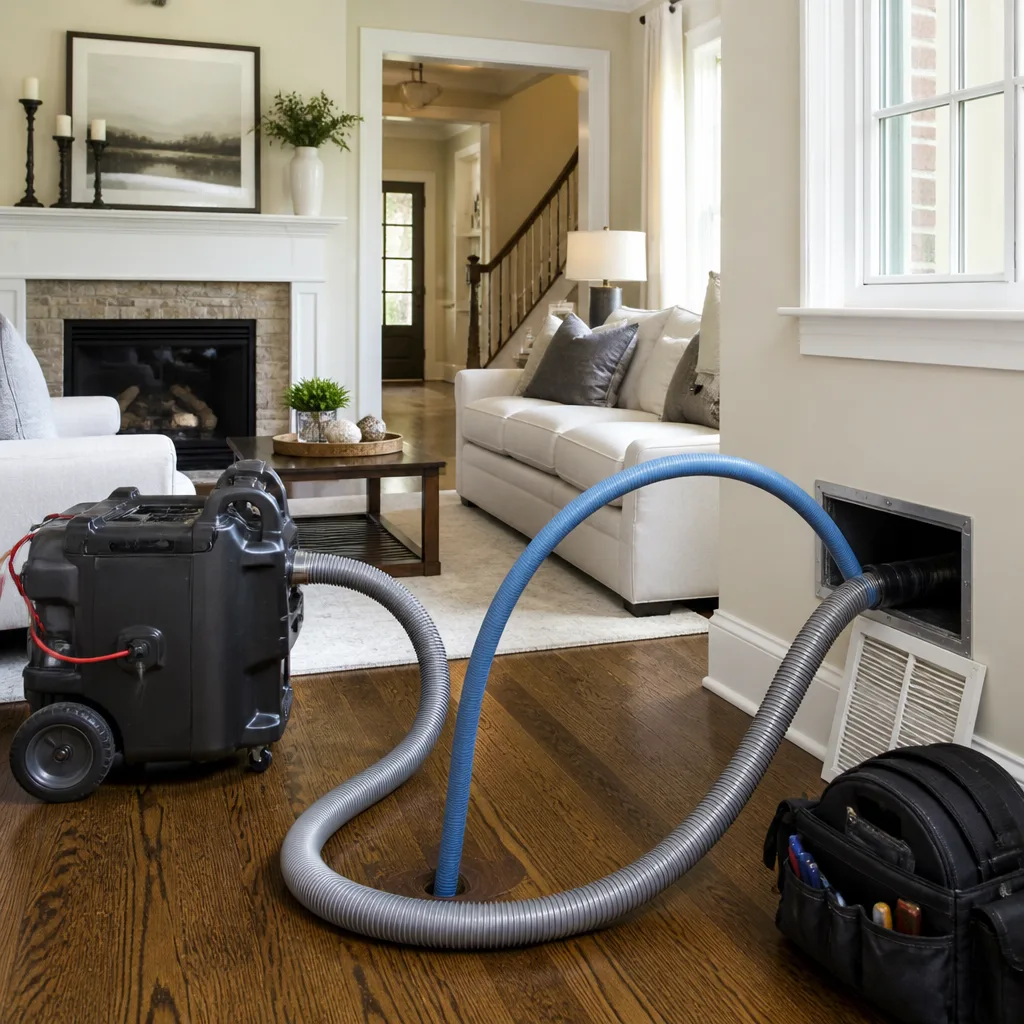 Whole-home duct cleaning
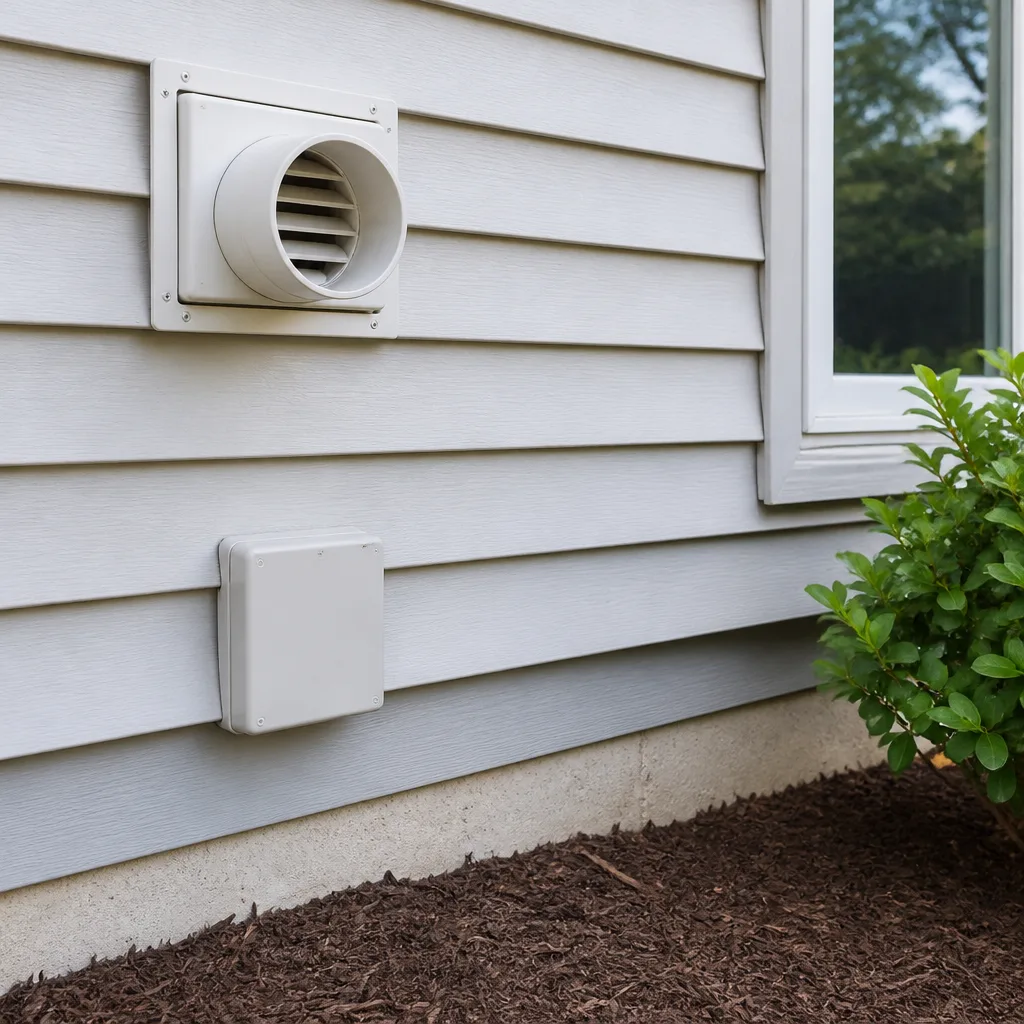 Dryer vent cleaning
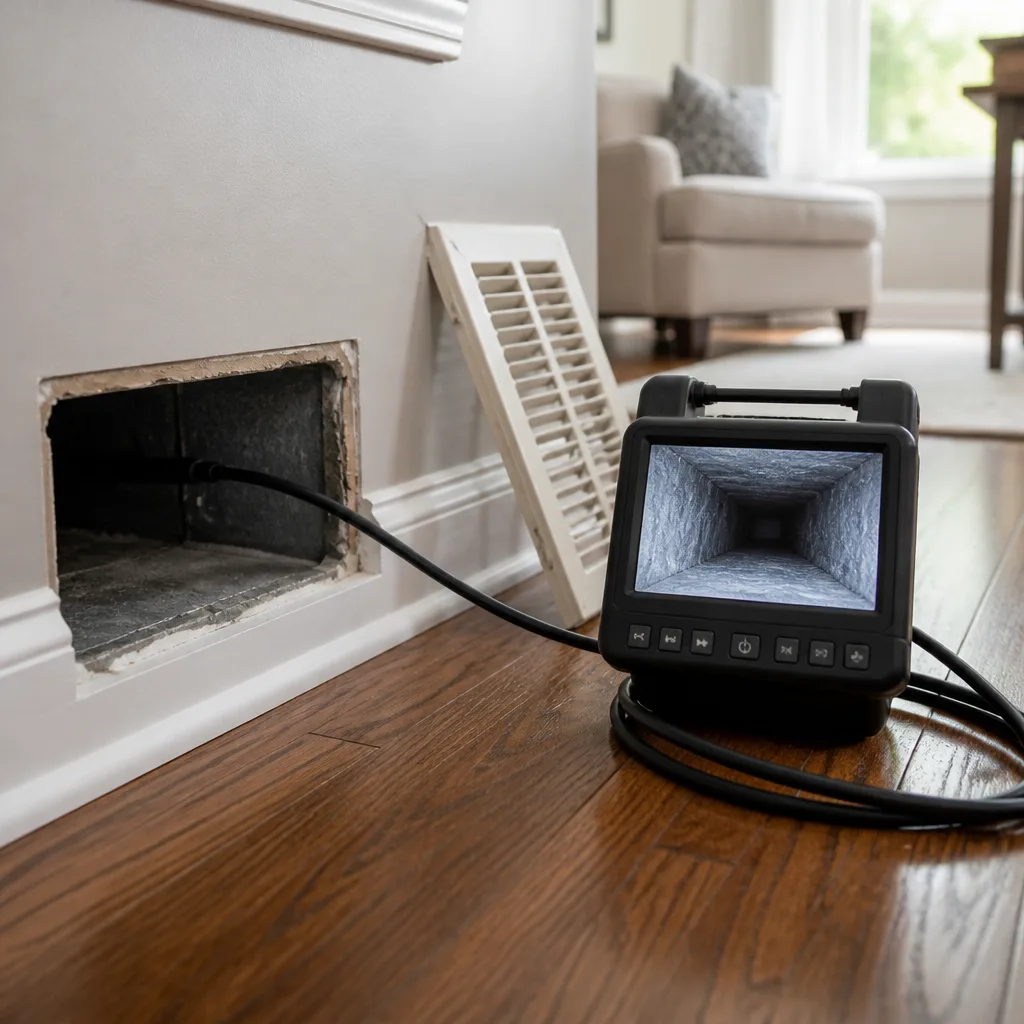 Camera inspection
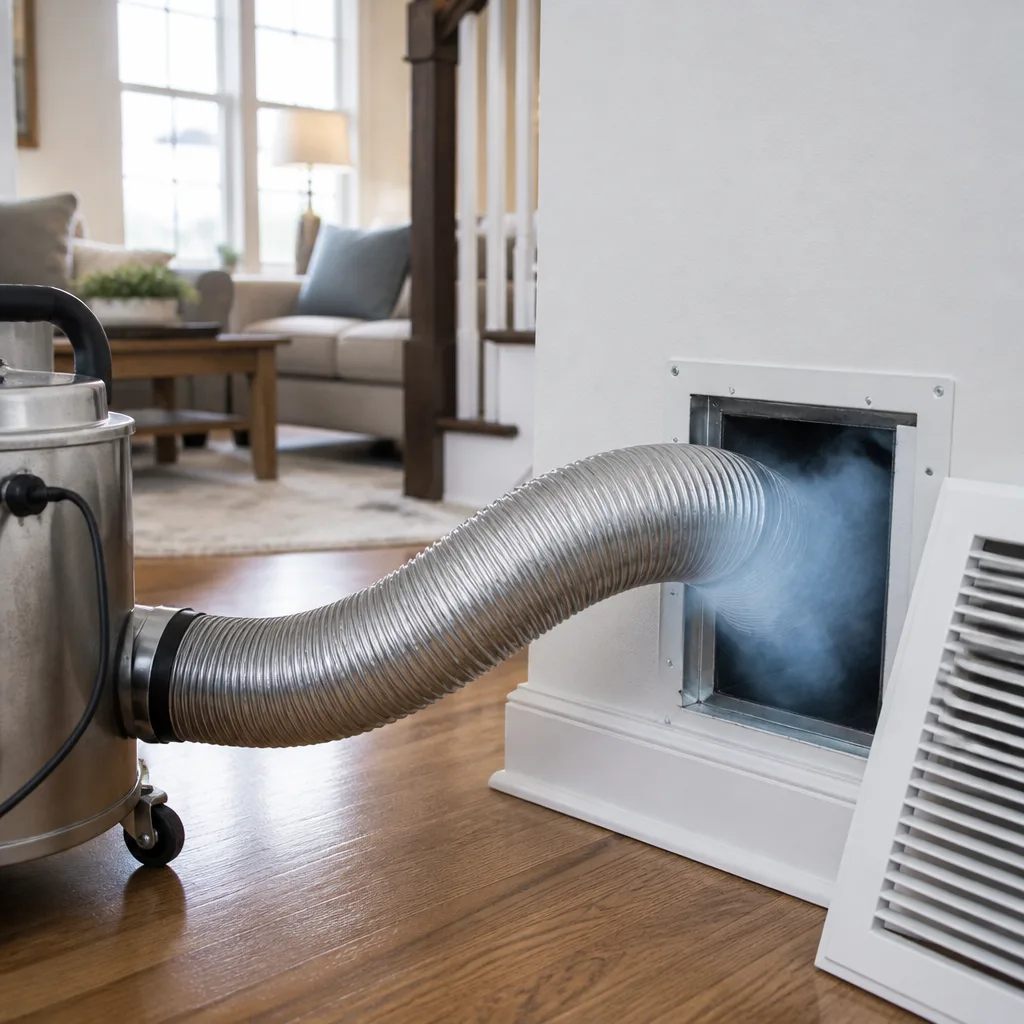 Sanitizing & deodorizing
Whole-system duct and dryer vent check with before-and-after photos - you see exactly what came out of your vents
That "$99 whole-house special" is a bait ad - the real number appears once they are in your hallway, or the "clean" is a shop-vac at the register. We photograph the inside of your ducts before and after instead.
Air Duct Cleaning Maintenance Schedule: What to Do and When
Most homeowners have heard the same guideline: clean your ducts every three to five years. Feel free to treat it as a starting point, not a rule of thumb that fits your building. The National Air Duct Cleaners Association (NADCA) model assumes a suburban house with no pets, nobody with allergies, and filters changed on schedule. Plenty of homes in Long Island City run a different profile entirely, and debris accumulates on its own timeline. In this guide we build a maintenance calendar from your actual inputs (pets, renovation history, filter grade and building age) and cover what to do between cleanings. It’s written for Long Island City homes and apartments.
Quick Answer
Most Long Island City homes should schedule professional duct cleaning every two to five years, and annually if you have pets, allergies, or a recent renovation. Between visits, change filters on a schedule matched to their MERV rating and inspect heat-exchanger and A/C coil sides each season. Your exact interval comes from the inputs below, not from a generic interval.
Styles & brands we work with
- Whole-home duct cleaning
- Dryer vent cleaning
- Camera inspection
- Sanitizing & deodorizing
Table of Contents
- Why the 3-to-5-Year Guideline Falls Short
- How Do You Decide Your Cleaning Interval?
- MERV Ratings and How They Change Debris Load
- Seasonal Tasks That Actually Matter in Long Island City
- How to Log Duct Condition After Every Cleaning
- Central Forced-Air vs. Fan-Coil and Two-Pipe Units
- What Happens During a Professional Cleaning
- Common Mistakes to Avoid
Why the 3-to-5-Year Guideline Falls Short
The NADCA recommendation was written with a median household in mind, and it’s genuinely useful as a baseline. It is not a cleaning schedule for every home. A rough-lived-in house, a dense building, or an apartment that just came through a gut renovation will reach a high debris load far faster than a quiet suburban property.
Four variables drive the difference:
- How many hairy, shedding animals live indoors. High-shedding pets raise the load quickly and often.
- Whether anyone in the household reacts to dust, pollen or dander. Allergy-driven homes warrant a shorter interval.
- The grade of the filter the system has been running on. Cheap filters let more particulate reach the ducts; the right MERV grade captures more and extends the interval.
- Recent construction. Sanding, tile work and sheetrock in a Long Island City apartment push construction dust straight into the return side.
We’ve seen Long Island City homes match a three-year profile right next to a home that’s genuinely fine at five, on the same street. Treat the base interval as a compromise, then adjust it for those four inputs. That’s how a real schedule gets built.
How Do You Decide Your Cleaning Interval?
Here’s the decision matrix we use to assign an interval. Add points from each row, then find your score. The result is a starting point, not a firm promise, but it’s far more useful than a blanket five years.
- Pets: no pets, +0; one pet, +1; two or more pets or a high-shedding breed, +2.
- Allergies or asthma in the home: none, +0; one person, +1; two or more, +2.
- Filter grade: MERV 11 or higher, +0; MERV 8, +1; fiberglass or MERV 5 or lower, +2.
- Renovation history: no major work in five years, +0; renovation in the last three years, +2.
- Smoking indoors or regular incense use: none, +0; yes, +1.
Score your total against this rough key:
- 0-2 points: five-year base interval.
- 3-4 points: three-year interval.
- 5-7 points: two-year interval.
- 8 or more: annual assessment, and call us back before the next one is due.
Building age adds one last adjustment. Older Long Island City buildings often run ductwork that wasn’t designed for the systems on them now, and gaps allow more dust migration. If your building predates most of its ductwork, shorten the interval by a year.
Run this score once. Then re-run it whenever something changes: a pet arrives, you renovate, a filter gets swapped to a higher grade. A schedule that updates with the home stays relevant.
MERV Ratings and How They Change Debris Load
The filter your system runs on is the single most controllable variable in this schedule, and it’s where most homeowners accidentally make their ducts work harder. MERV, or Minimum Efficiency Reporting Value, measures how much particulate a filter catches. Higher grades trap more. That’s the whole reason to look at the number.
- MERV 8 and below catches larger dust and debris but lets a lot of finer particulate through to the ducts, blower and coil. Fine for a rough utility space at times, but running this all year builds load inside the system.
- MERV 11 is the practical middle. Good capture of fine dust, animal dander and pollen without starving most residential blowers.
- MERV 13 captures more again, including fine particulate and some microbial carriers. Worth it for allergy households, but the system’s blower needs to be able to handle the added resistance, so don’t jump grades blindly.
A key thing to know: a higher MERV grade lowers the debris load reaching the ducts, but it doesn’t clean existing ducts. If debris is already built up from years on a cheap filter, upgrade and clean. Notice the effect of your filter on dust at registers over a couple of months. Registers clouding up quickly usually means a lower-MERV filter at work, or one that needs replacing.
Replacement intervals matter as much as the grade. A clogged MERV 13 is worse than a clean MERV 8 because the system can’t move air. Check monthly, especially in summer and through Long Island City heating season.
Seasonal Tasks That Actually Matter in Long Island City
This is where the schedule starts to change by season. Long Island City winters are cold and dry enough to push the heating system to its limit, and summers can be humid against the river. The system’s workload shifts heavily across the year, and the maintenance should too. Here are the seasonal jobs worth putting in the calendar.
- Post-winter heat-exchanger inspection (early spring). Once heating season ends, inspect the heat exchanger and the interior of the furnace. Cracks or deterioration are worth knowing about before the next heating run. This one matters for safety.
- Pre-summer coil check (late spring). Before the first hot stretch, inspect the evaporator coil for dust and debris. A dirty coil chokes cooling efficiency, and summer in Long Island City requires real cooling.
- Fall filter upgrade before heating season (September or October). Put in a fresh filter, and if you’ve been meaning to step up from MERV 8 to MERV 11, do it now. Heating cycles deliver a lot of air into the home through ductwork.
- Post-summer duct inspection (early fall). Hot weather means nearly nonstop A/C. That’s a lot of air movement through the ducts. Inspect registers and return grilles for dust buildup and call for cleaning if the interval is due.
- Dryer vent note (align with your laundry habits). Dryer vent cleaning runs on a separate clock. Make it part of the yearly schedule and get it handled with the rest of your indoor-air work. That’s part of what our dryer vent cleaning service covers.
This doesn’t describe the actual conditions of every Long Island City home, but the sequence works. Each seasonal task catches something before it affects the whole year.
How to Log Duct Condition After Every Cleaning
The most underrated part of a maintenance schedule is documentation. A duct cleaning that leaves you with no record is a cleaning you can’t schedule against. The record is what lets the next service know what’s normal for your system, and prevents you from paying for cleanings you didn’t need.
Here’s what a professional should hand you after every cleaning:
- Before-and-after photos of the duct interior. Ask for shots of the same duct runs pre- and post-cleaning. These are the record.
- A written scope. A line list of which ducts, vents and systems were cleaned, and which weren’t.
- Notes on visible damage. Any tears, gaps or disconnected runs found during the cleaning. A gap is a leak. On a real system the technician should flag it so sealant can go over it.
- Condition notes on the coil and blower. How dirty they were, and whether they were cleaned as part of the service.
- The filter grade and the date the filter was replaced. This ties the cleaning record to your filter schedule.
- Any sanitizing step performed. Note the product used, if a sanitizing treatment was part of the service. Our air duct cleaning Long Island City service includes these notes as standard.
Keep them in one folder. If you sell or rent the unit, that log becomes useful evidence of maintenance. If you’re a property manager, this is the file the building deserves.
Central Forced-Air vs. Fan-Coil and Two-Pipe Units
Long Island City has more than one kind of HVAC system, and the schedule changes with the system. Most high-rises run fan-coil units, while a good share of the newer or converted residential buildings run central forced-air. Ductwork is configured differently across the two, and so is what accumulates where.
Central forced-air systems move air through ductwork from a central air handler. The return side usually pulls in most debris. Filter changes at the air handler control the load on the rest of the system. The maintenance focus is filter on schedule, periodic duct cleaning, and sealing any gaps.
Fan-coil and two-pipe units commonly found in Long Island City high-rises work differently. These units have a coil in the air stream inside the apartment, and what accumulates on the coil and its intake matters most. Coil cleaning and intake cleaning are the priority. The schedule almost always swings shorter for fan-coil units because the coil sits right at the point of use.
Whatever the system, inspect the coil area each season. And if a system was installed over older ductwork, sealing should be on the maintenance calendar. Our HVAC cleaning service covers the whole system when the ductwork and the mechanicals need work together. Don’t wait for a filter check to reveal a coil issue.
What Happens During a Professional Cleaning
A professional cleaning of a duct system follows a defined sequence. Knowing the steps helps you judge the work and schedule the next visit honestly.
- Inspection and system mapping. The technician confirms how many zones and runs are on the system, and notes anything that looks disconnected or unusually dirty.
- Negative-pressure setup. A HEPA vacuum is connected to the main trunk so the system operates under negative pressure. Debris and disturbed dust get captured rather than recirculated through the apartment. This is the containment step.
- Mechanical agitation. A rotary brush system runs the length of each duct, dislodging caked-on dirt and dust so the vacuum can pull it out.
- Register and grille cleaning. Supply and return registers are cleaned.
- Coil and blower check. The mechanical side is inspected, and cleaned if it’s on the scope.
- Sanitizing (if on the scope). When sanitizing is part of the visit, a product approved for use in HVAC systems is applied. We use Honeywell, Aprilaire and Abatement Technologies equipment in our air quality and sanitizing work.
- Documentation. Photos, written scope and condition notes get handed over. That’s your record.
The result is a system that’s genuinely clean, not just surfaced cleaned. That’s a different job from dragging a shop vac across a register. It’s also the reason a proper cleaning lasts.
Common Mistakes to Avoid
- Setting the interval once and never revisiting it. A five-year calendar is pointless if you add two pets in year two. Re-run the interval after any change to the household.
- Running a high-MERV filter in a system that can’t handle it. A MERV 13 that strangles airflow on a low-friction blower creates a bigger problem than the dust it catches. Match the grade to the system.
- Skipping dryer vent cleaning because the ducts were cleaned. The dryer vent is a separate system and a fire risk. It’s not the same job, and it doesn’t come included with duct work.
- Setting the schedule by cost per vent instead of scope. Cheap per-vent quotes tend to price a surface touch. Schedule based on what’s actually included in the cleaning.
- Ignoring gaps and leaks because they can’t be seen. A disconnected run or torn flex doesn’t clean up. It sprays debris across the system. Our air duct cleaning visits flag this, and our duct repair and sealing work fixes it.
- Replacing the filter without noting it. The cleaning and the filter schedule work together. If you can’t remember when the filter went in, the schedule falls apart.
- Skipping post-clean documentation. No records means no baseline. The next service can’t compare to a condition no one wrote down.
See the difference
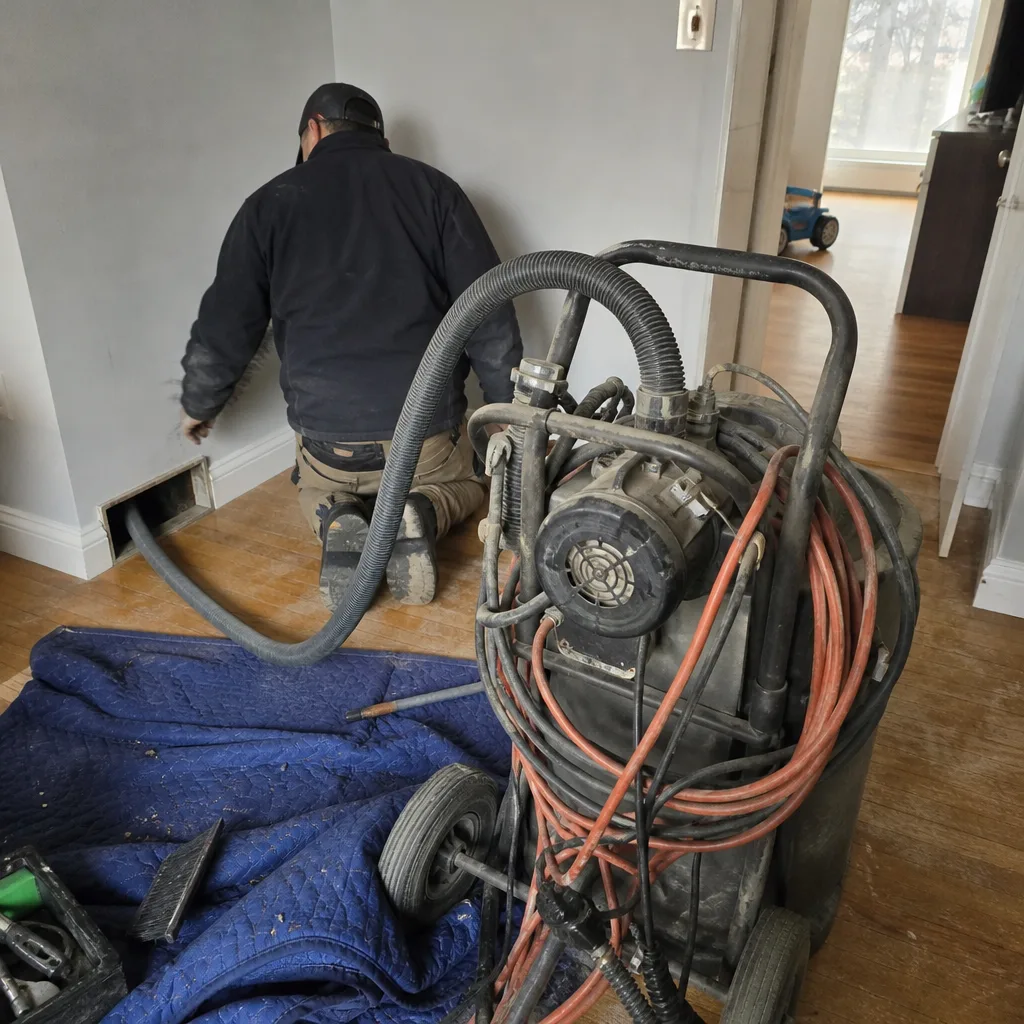 Before
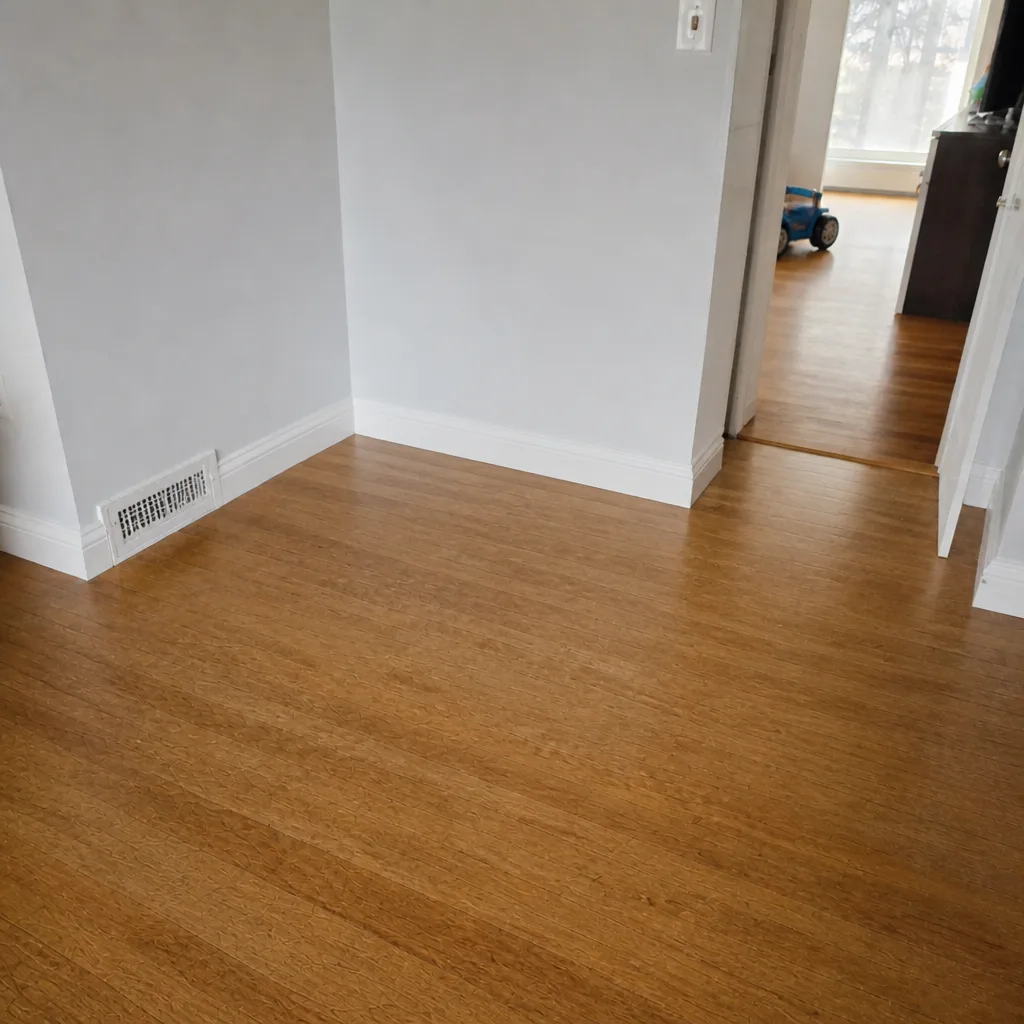 After
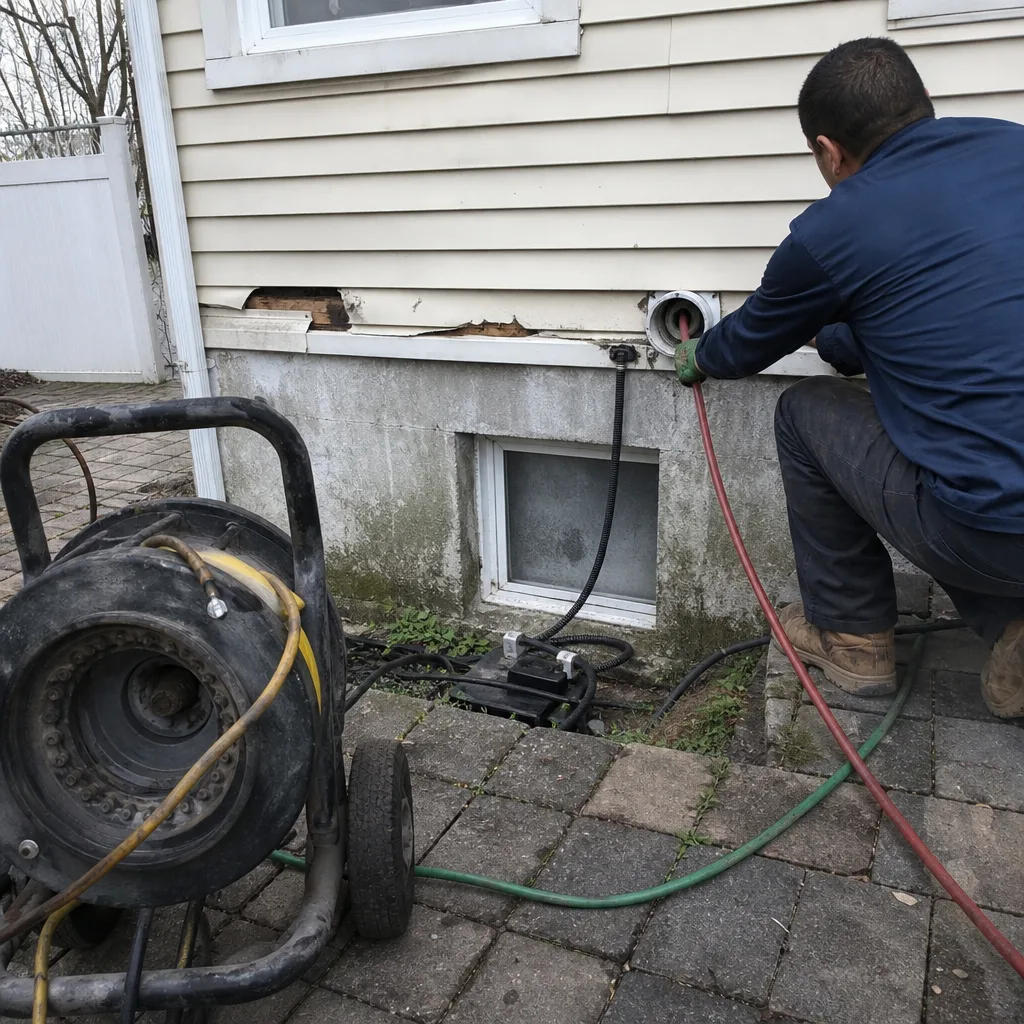 Before
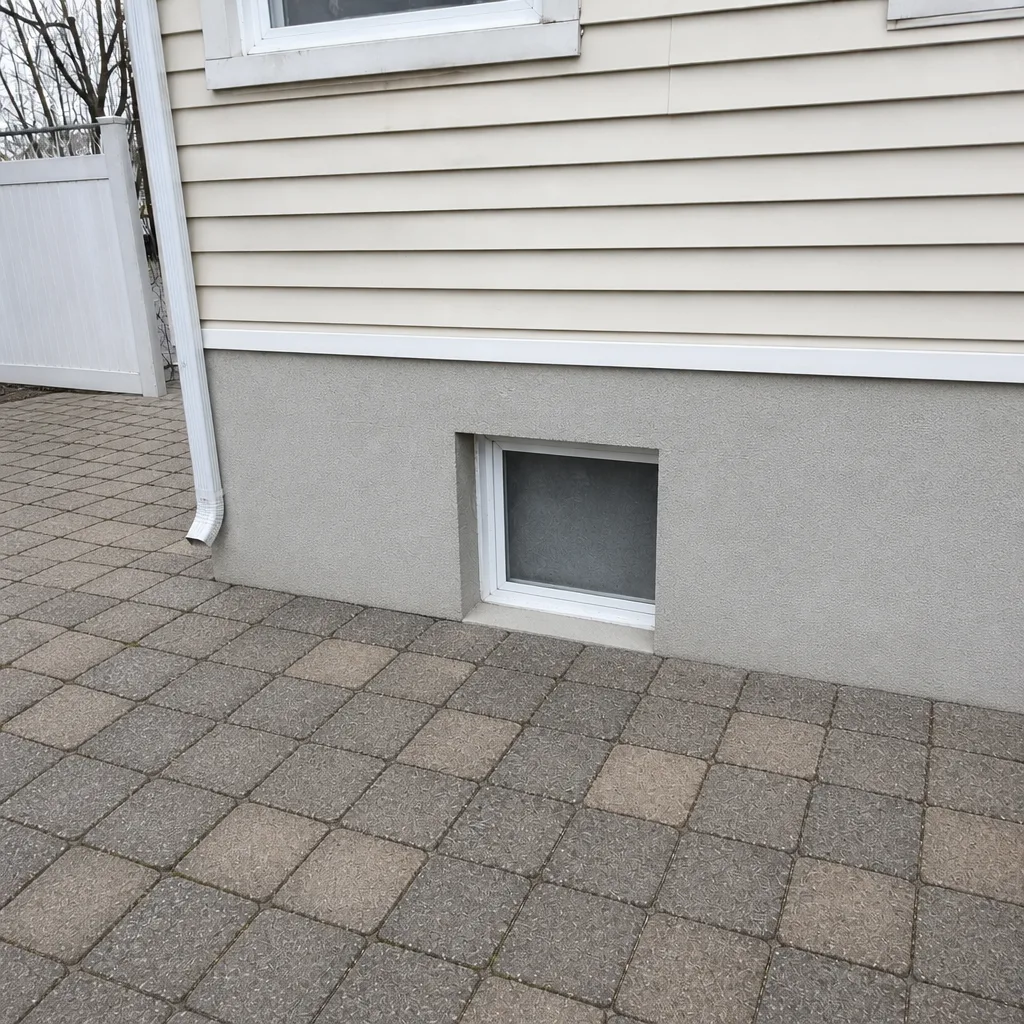 After
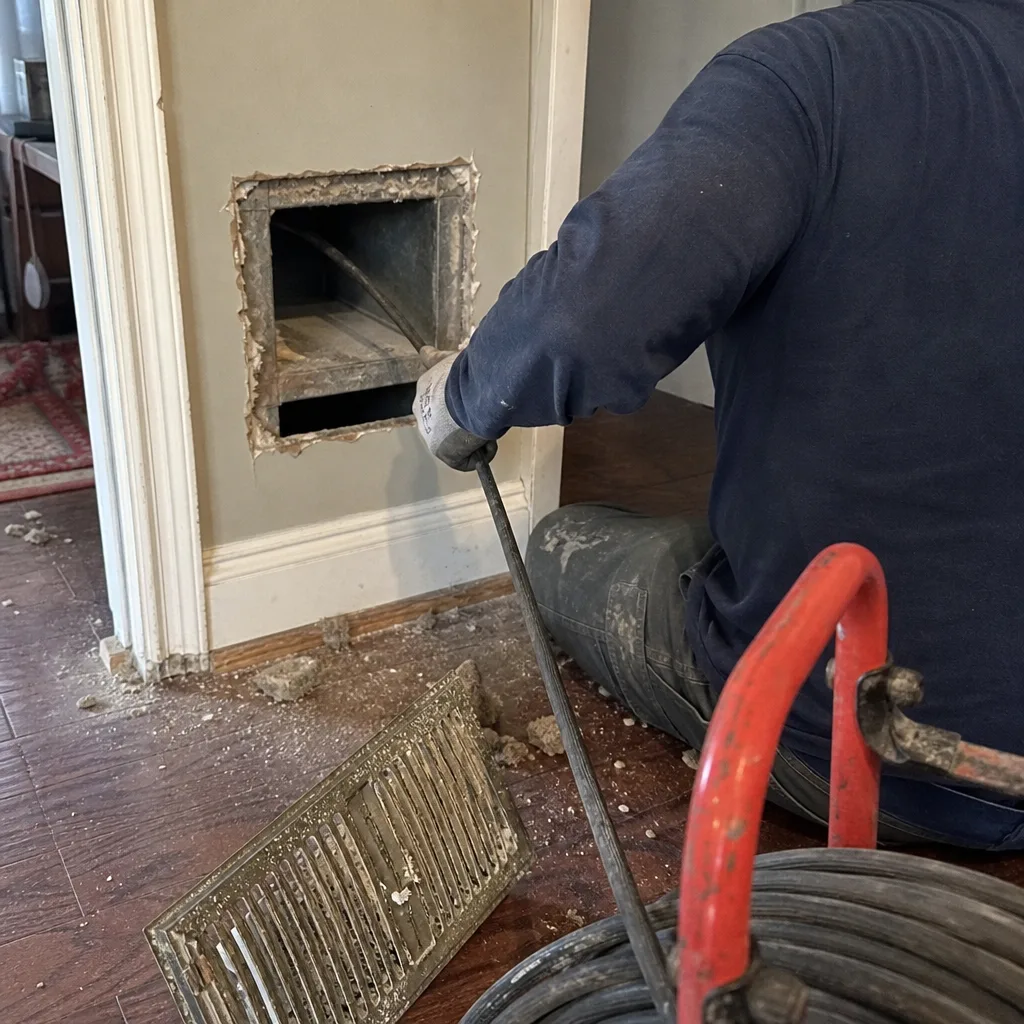 Before
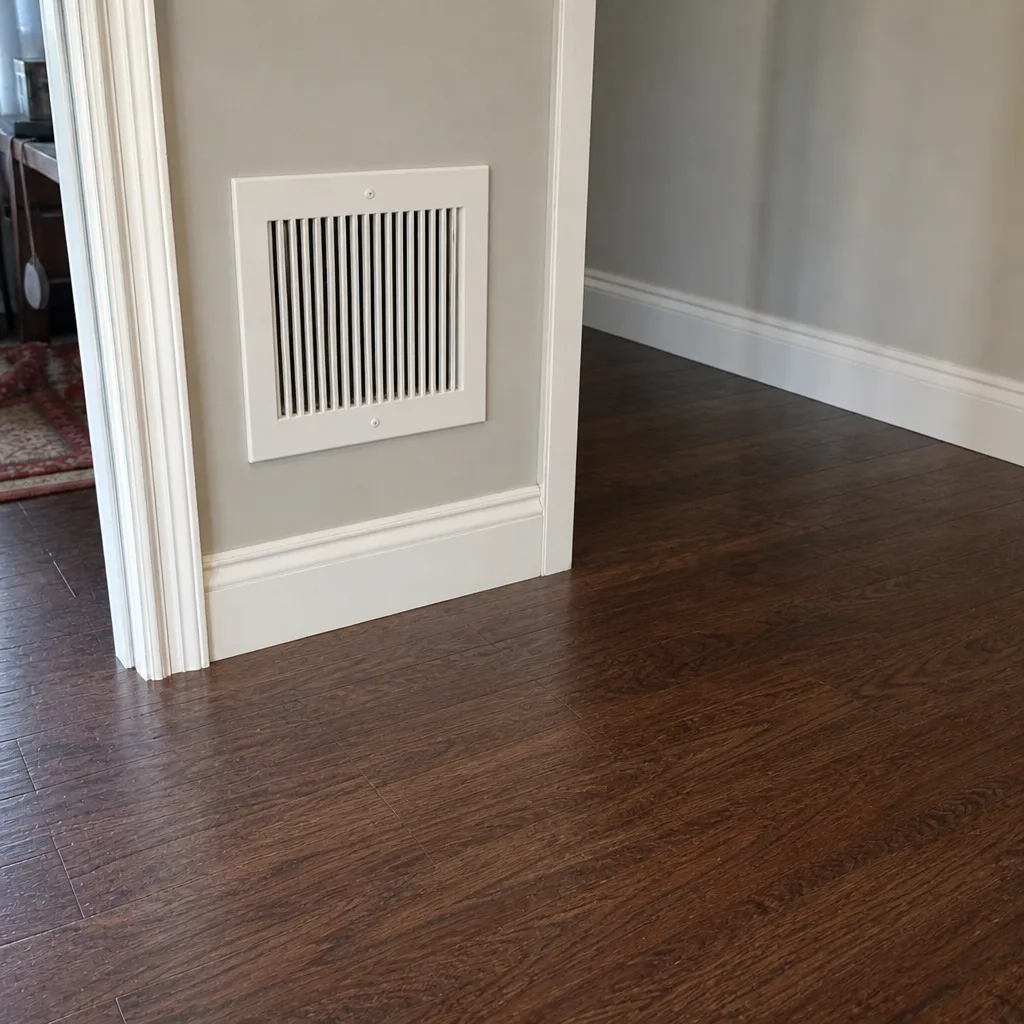 After
When to Call a Professional
Some signs call for a cleaning sooner than the calendar says. If you notice musty odors from registers, visible dust that returns within days of cleaning, allergy flare-ups that track with the HVAC system, or a recent renovation that sent construction dust through the returns, schedule a professional visit. If your interval has come due, that’s the date to call.
Don’t try to solve coil or blower issues with a vacuum yourself. Get the system inspected, and put the findings into your log for the next cleaning. The right sequence is a full assessment, then a cleaned system, then a record of what was found.
Air Duct Cleaning Long Island City offers free estimates in Long Island City. Call (833) 918-5344 to put your system on a schedule you can actually follow.
Frequently Asked Questions
Every two to five years for most Long Island City homes, and annually if you have pets, allergies or a recent renovation. Use the interval score above and adjust for your building’s age.
Yes. Higher MERV grades capture more particulate before it reaches the ducts, which lowers the debris load in the system over time. The filter needs to match what your blower can handle, so move up grades deliberately.
Short version: fan-coil units put the coil in the air stream inside the apartment, so coil and intake cleaning are the priority and the schedule runs shorter. Central systems hold the ductwork and reward filter discipline and periodic whole-duct cleaning.
Yes, within a few months of major work. Sanding and sheetrock produce fine dust that goes straight through the return side. A post-renovation cleaning is better than waiting for the usual interval.
Before-and-after photos, a written scope of what was cleaned, notes on any damage, filter info and a short condition summary. All of it goes into your maintenance log.
Yes. Duct repair and sealing are part of a system, sold together with cleaning, HVAC work, dryer vent cleaning and air quality and sanitizing, so one contractor can look at the whole picture instead of handing you off.
The Bottom Line
The right duct cleaning schedule isn’t a number from a national guideline. It’s a number you compute from four inputs (pets, allergies, filter grade, renovation history) and adjust for your building and system type. Do this once, put the seasonal tasks in the calendar, and keep the cleaning log. That combination is what turns a one-off cleaning into a maintenance plan you can maintain. The work starts inside the ducts; the schedule is what keeps them clean.
Written by the team at Air Duct Cleaning Long Island City.