
Last updated November 22, 2026
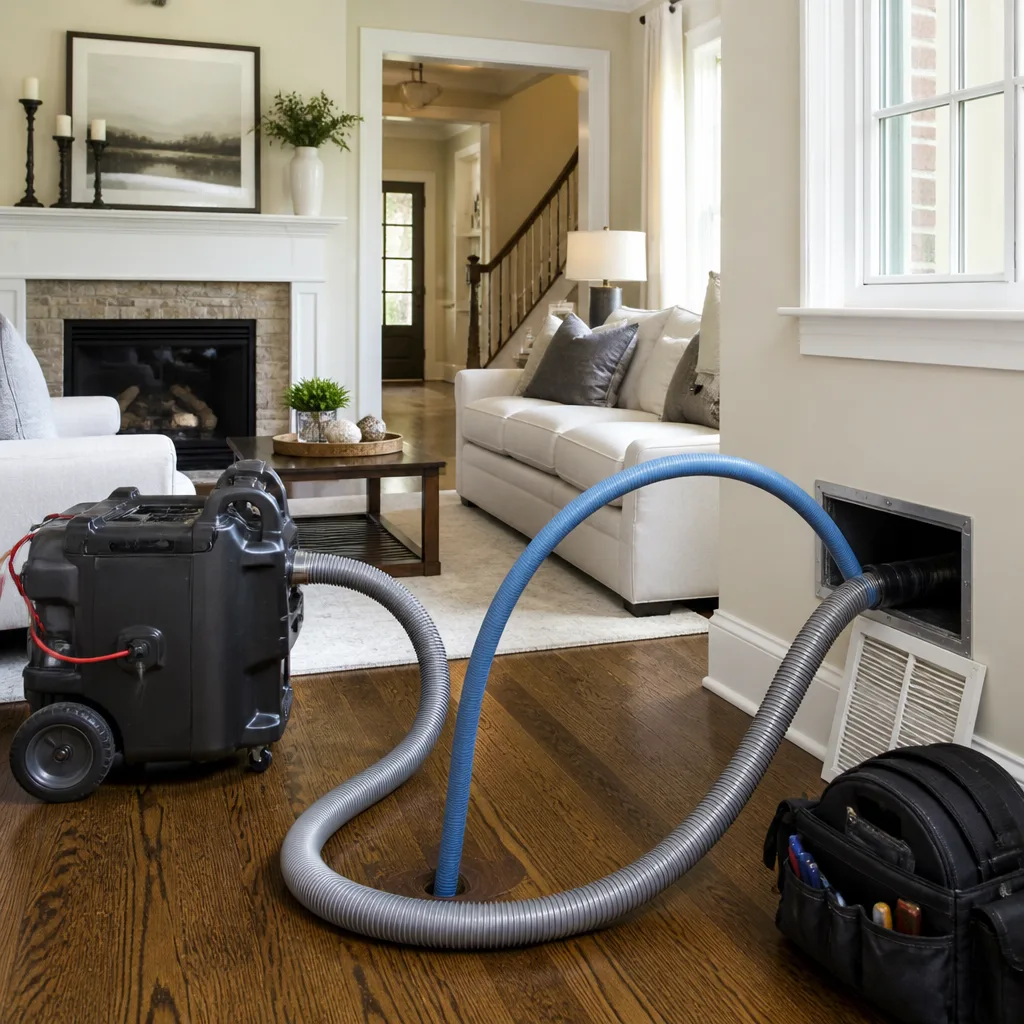 Whole-home duct cleaning
 Dryer vent cleaning
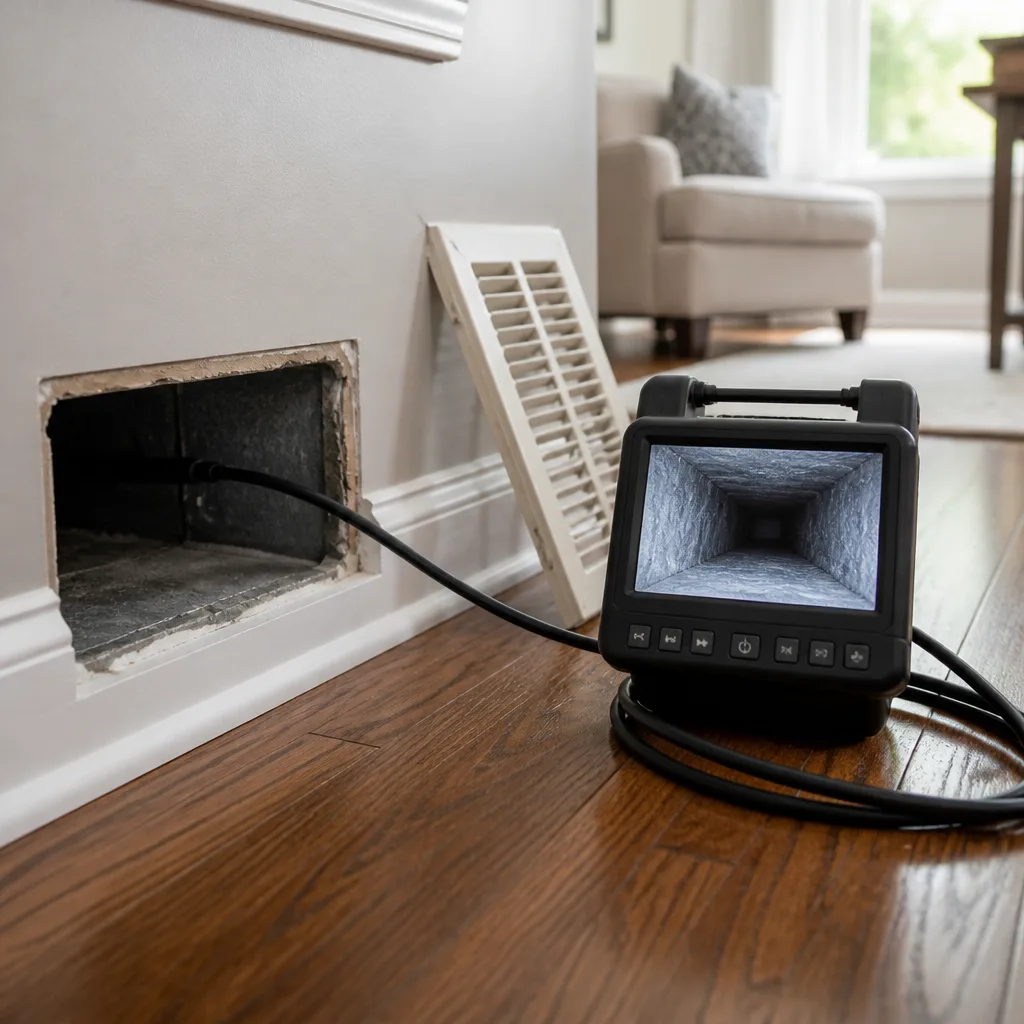 Camera inspection
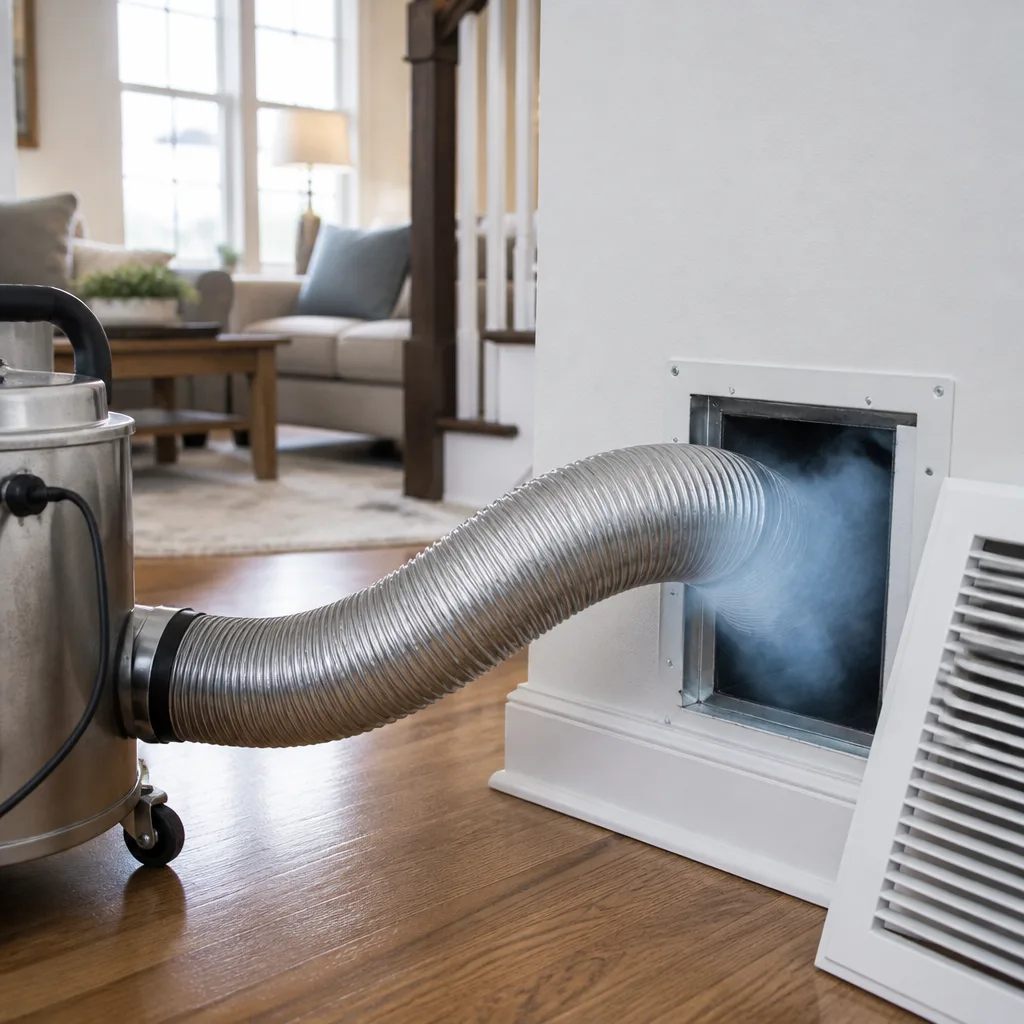 Sanitizing & deodorizing
Whole-system duct and dryer vent check with before-and-after photos - you see exactly what came out of your vents
That "$99 whole-house special" is a bait ad - the real number appears once they are in your hallway, or the "clean" is a shop-vac at the register. We photograph the inside of your ducts before and after instead.
Air Duct Cleaning Troubleshooting in Long Island City: Common Problems and How to Fix Them
If your ducts were cleaned six months ago and dust is already settling back on the supply vents, the cleaning didn’t fail. Your duct system has a breach, and no amount of re-cleaning will close a leak. That’s the part most homeowners miss: dust, odors, and weak airflow aren’t cleaning problems, they’re diagnostic clues. Each symptom points to a specific mechanical failure, and each one calls for a different remedy. In this guide, we’ll walk through the troubleshooting sequence we use on Long Island City jobs, from the tissue-paper test that tells you whether a duct is leaking to the reason musty smells survive a cleaning. You’ll learn how to read your system before you spend a dollar on equipment.
Quick Answer
Most air duct “problems” in Long Island City trace back to one of four causes: a breach in the duct run, residual moisture in the plenum or drain pan, debris compacted at flex-duct joints that suction alone can’t lift, or a blower component that’s failing rather than a duct that’s dirty. Diagnosing which one you have before booking any service saves money and stops the same symptom from returning. Cleaning fixes debris. Sealing fixes leaks. Sanitizing fixes microbial growth. Matching the remedy to the cause is the whole game.
Styles & brands we work with
- Whole-home duct cleaning
- Dryer vent cleaning
- Camera inspection
- Sanitizing & deodorizing
Table of Contents
- Symptom-to-Cause Map: What Your Ducts Are Telling You
- Why Is My Airflow Weak? Four Causes That Look Identical
- The Tissue-Paper Test: How to Find a Duct Breach Before You Spend Money
- Why Do My Ducts Still Smell Musty After Cleaning?
- Rotobrush vs. a Shop-Vac: Why Agitation Beats Suction
- When Cleaning Isn’t Enough: Duct Sealing and Replacement
- Long Island City Building Stock and Why Duct Problems Are Common Here
- How to Keep Your Ducts Working Between Professional Visits
Symptom-to-Cause Map: What Your Ducts Are Telling You
Troubleshooting starts with matching the symptom to the mechanism. We’ve walked into hundreds of Long Island City apartments and houses where the homeowner was convinced the ducts needed cleaning, and in a good share of them the ducts were the least of the problem. Here’s how we map it.
- Dust reappearing on vents within weeks of a cleaning: a leak in the supply or return run is pulling unfiltered air from a wall cavity, basement, or crawl space. Re-cleaning won’t help; the breach has to be sealed.
- Musty or damp smell that persists after cleaning: moisture is sitting in the air handler plenum, the drain pan under the coil, or the evaporator coil itself. Debris was never the cause.
- Weak airflow at some registers but strong at others: a collapsed section of flex duct, a disconnected joint, or a damper that’s closed or stuck partway.
- Weak airflow at every register: usually a dirty blower wheel, a clogged filter, or a failing blower motor capacitor rather than a duct problem at all.
- Whistling or hissing at a register: pressure escaping through a gap in the duct boot, often where the boot meets the subfloor or drywall.
Read those five categories and notice that only one of them is a straightforward cleaning problem. That’s the point. Air duct cleaning in Long Island City done right begins with this kind of diagnostic pass, not with a vacuum hose. If your system is throwing one of the other four symptoms, a technician who shows up and cleans without asking why is going to be back next season.
The practical takeaway: write down what you’re seeing and where, with a rough timeline. Which registers are weak, how soon the dust returns, and whether the smell gets stronger when the system runs. That record is worth more to a technician than any description over the phone.
Why Is My Airflow Weak? Four Causes That Look Identical
Weak airflow has four likely causes, and they feel the same at the register. The trick is that each one has a slightly different signature if you know what to look for.
- Dirty filter. The cheapest place to start and the most common culprit. A filter that’s clogged with dust starves the whole system. Check it before anything else, and hold it up to a light. If you can’t see through it, replace it.
- Dirty blower wheel. If the filter is clean and the airflow is still poor, the blower wheel inside the air handler may have a layer of dust bonded to it. That layer throws the wheel out of balance and stops it moving air efficiently. This is a job for a technician, not a homeowner, because the wheel has to come out for proper cleaning.
- Collapsed or kinked flex duct. Flexible duct that’s been pinched in a tight run, kinked at a bend, or crushed underfoot in an attic loses airflow. You can often spot a collapsed run visually where the duct disappears into a wall.
- Failing blower motor or capacitor. If the blower runs slowly, hums, or stops intermittently, the motor or its start capacitor is the issue. That’s an HVAC repair, not a duct cleaning.
How do you sort them apart? Start with the filter because it costs almost nothing. Next, listen to the blower. A healthy blower has a steady, even tone; a degrading one changes pitch. Then feel the airflow at the register closest to the air handler and the one furthest away. If the near register is strong and the far one is weak, you’re looking at a duct distribution problem, not a blower problem. If every register is weak, suspect the blower or filter first.
The reason this matters: booking duct cleaning for what turns out to be a blower motor issue wastes a visit and doesn’t solve the complaint. HVAC cleaning and duct cleaning are two different jobs, and knowing which one you need is the entire difference between a fix and a repeat visit.
The Tissue-Paper Test: How to Find a Duct Breach Before You Spend Money
You can find many duct leaks yourself with a piece of tissue paper and a few minutes, and it’s the single most useful test a homeowner can run. Set the system to fan-on so the blower runs without heating or cooling, then work through this sequence.
- Hold a single square of tissue paper against the face of each supply register while the fan is running. Note whether it flutters, gets pulled firmly against the grille, or barely moves.
- At registers where the paper barely moves, run your hand along the joint where the register boot meets the wall or floor. Feel for a draft escaping sideways.
- For the return registers, hold the tissue near the grille edge. A healthy return should pull it in steadily. A weak or fluttering pull suggests a leak upstream.
- Where the duct work is visible (basement, utility closet, attic access), hold the tissue along the seams and joints. Any flutter there is a leak.
- Note the locations where the test fails and mark them. That’s your diagnostic list.
What the tissue test can’t tell you is how bad the breach is or whether it’s on the supply side or return side of the system, which matters for how much unfiltered air gets pulled in. That’s where a technician with a pressure gauge and a thermal camera earns their keep. But the test gives you a starting point, and it will tell you whether the money you’re about to spend on cleaning should really be going toward duct repair and sealing.
In Long Island City, where many buildings were converted from steam radiators to forced-air decades ago, the boot-to-floor and boot-to-wall joints are frequent leak points because the original openings were often cut loosely to fit new duct work. A tissue test at those boots catches what a glance won’t.
Why Do My Ducts Still Smell Musty After Cleaning?
A musty smell that survives a professional cleaning almost always means the moisture source wasn’t addressed, not that debris was missed. Cleaning removes what’s on the surface; it doesn’t dry the air handler, the evaporator coil, or the drain pan underneath. If the smell is damp, earthy, or mildewy, the culprit is usually one of these:
- A clogged or improperly sloped condensate drain. Water sits in the pan because it can’t drain out, and that standing water is a perfect environment for microbial growth.
- A wet evaporator coil. A coil that doesn’t fully drain between cycles stays damp, and the plenum air picks up the smell.
- A dirty drain pan with biofilm. Even a pan that drains fine can accumulate a layer of organic film that no amount of duct vacuuming will remove.
- Duct insulation that’s gotten wet. Interior duct liner that has absorbed water can’t be cleaned effectively; it has to be removed and replaced.
What actually fixes a musty duct system is a sequence: find and correct the moisture source, dry the affected components, clean the coil and pan properly, then sanitize the system with an antimicrobial treatment. That last step is why we treat sanitizing as a standard part of the service line rather than an upsell. Removing visible debris without treating the biological growth downstream of the air handler leaves the smell untouched. A technician using Honeywell or Aprilaire air-quality equipment can verify the treatment with measurable readings rather than a nose test.
If you smell mustiness in a Long Island City apartment that’s had duct cleaning and it came straight back, ask the technician to check the drain pan and the coil before any more cleaning is booked. That’s the sequence that solves it.
Rotobrush vs. a Shop-Vac: Why Agitation Beats Suction
This is the part most homeowners get wrong, and it’s the reason two duct cleanings can produce very different results. Suction alone is not the answer, because debris inside flex duct doesn’t sit loosely on the surface. It compacts against the ridges of the flexible core, especially at joints and elbows, and it bonds to the duct wall over time. A shop-vac pulls at the loose dust and leaves the adhered layer behind. That layer is where odors live and where dust re-enters the airstream.
Professional cleaning works because it uses two mechanisms that a vacuum alone can’t provide:
- Mechanical agitation. The Rotobrush system uses a rotating brush that scrubs the duct interior, breaking up the adhered layer and the compacted debris at joints so it can be lifted.
- HEPA-level negative-pressure containment. The Nikro system uses negative-pressure vacuum with HEPA filtration to pull the loosened debris out of the system and capture it rather than blowing it back into the room. That containment is what makes the job clean from the homeowner’s point of view.
The two work as a pair. Agitation without containment sends dust into the living space. Containment without agitation leaves the bonded layer behind. A technician who arrives with only one of these has half the equipment you need for a real extraction.
This is also why a “cleaned” duct system can test dirty a few months later. If the cleaning was suction-only, the bonded layer was never touched, and once the brush-free vacuum stops, that layer starts shedding again. When we run air duct cleaning in Long Island City, both systems run together on every job. That’s not a sales pitch; it’s the only way the result holds.
When Cleaning Isn’t Enough: Duct Sealing and Replacement
There’s a clear line between a duct system that needs cleaning and one that needs sealing or replacement. Here’s how we draw it.
- Cleaning is enough when the ducts are intact, the visible joints are sound, and the complaint is dust buildup, allergy symptoms, or general maintenance. The system is dirty, not broken.
- Sealing is the right call when the tissue test shows leaks at boots or joints, dust reappears quickly after cleaning, or an energy bill climb suggests conditioned air is escaping into a wall cavity. Duct repair and sealing restores the system without ripping it out.
- Replacement becomes necessary when flex duct is collapsed, torn beyond repair, wet inside, or the run is sized wrong for the room it serves. No amount of cleaning or sealing fixes a duct that can’t physically carry air.
The important point: cleaning, sealing, and replacement are three different remedies for three different problems. A cleaning crew that only cleans will recommend cleaning for a leak, and a year later the same complaint comes back. That’s the pattern to watch for when you’re comparing quotes. Ask what the technician will do if they find a leak, and listen for whether they have a sealing solution that goes beyond the vacuum. Having all of these under one roof means the person who diagnoses the problem can also fix it.
Long Island City Building Stock and Why Duct Problems Are Common Here
Long Island City has a specific kind of building stock that makes duct diagnosis more interesting than in most places. The neighborhood has a large share of pre-war walk-ups that were originally heated with steam radiators, then converted to forced-air over the years. Those conversions have a signature: duct work that was fitted into buildings designed for something else.
What that looks like in practice:
- Tight, oversized, or oddly routed runs. Old buildings don’t have the ceiling cavities that a clean forced-air design assumes. Ducts get squeezed into soffits and closets, which means more elbows, more kinks, and more places for airflow to stall.
- Boot-to-floor and boot-to-wall joints that were cut loosely during the conversion, which are prime leak points years later.
- Shared wall cavities in multi-unit buildings, where a supply leak can pull air from a neighboring cavity, bringing dust and odors along with it.
- Mixed duct materials. A single Long Island City building can have sheet metal in the main trunk and flex duct branching off to each room, each behaving differently under cleaning.
We look at this as a diagnostic advantage rather than a problem. The older buildings in Long Island City tend to show clearer symptoms of duct failure because the original conversion was never designed for the system that sits in it now. When you combine that with the humid stretches of a New York summer, where condensation on poorly insulated duct work is common, you get an environment where leaks and moisture-borne odors are more likely to surface. That’s why the tissue test is worth running early if you’re in one of the pre-war conversions.
How to Keep Your Ducts Working Between Professional Visits
You don’t need to do anything complicated between professional cleanings to keep a well-sealed, clean system working. A few habits cover most of it.
- Change the filter on schedule. Hold it up to the light. If you can’t see through it, replace it. This is the single biggest factor in blower longevity and airflow.
- Watch the vents. If dust reappears on the supply registers within weeks, the duct has a breach and needs sealing, not more cleaning.
- Check the drain pan. Look for standing water under the air handler. Clear standing water before it becomes a musty smell.
- Notice the return. A weak return pull is often the first sign of a leak upstream.
- Book a dryer vent cleaning separately. Dryer vents are a fire risk and are rarely included in duct cleaning. They deserve their own schedule.
If you keep a simple record of what you observed and when, you’ll know the difference between a true duct cleaning need and an underlying system problem. That record is also what makes a technician’s diagnostic pass faster and more accurate.
Common Mistakes to Avoid
- Booking cleaning for a leak. Re-cleaning a duct system with a breach just resets the clock. The dust will return, and the leak will keep pulling unfiltered air from the wall cavity. Get the tissue test done before you schedule.
- Using a shop-vac on flex duct. Consumer suction doesn’t break the bonded layer inside flex duct and can actually push dust deeper into joints. It leaves the system dirtier in the long run, not cleaner.
- Assuming musty means dirty. Moisture in the plenum, drain pan, or coil is a separate problem from debris. Treating the odor without finding the moisture source won’t work, and the smell will return.
- Ignoring the filter. A dirty filter mimics a duct problem and can damage the blower over time. Check it first, before you spend money on anything else.
- Getting only one quote on a leak. Ask each company what they’ll do if they find a duct breach. A quoting process that stops at the vacuum won’t solve a sealing problem, and the price comparisons are meaningless if the scope is different.
- Confusing a blower motor problem with a duct problem. If every register is weak, don’t assume the ducts are dirty. The blower wheel or the motor may be the cause, and cleaning won’t fix it.
- Skipping the dryer vent. It’s a separate fire-safety concern from duct cleaning and gets overlooked because it’s out of sight. Include it on your maintenance schedule.
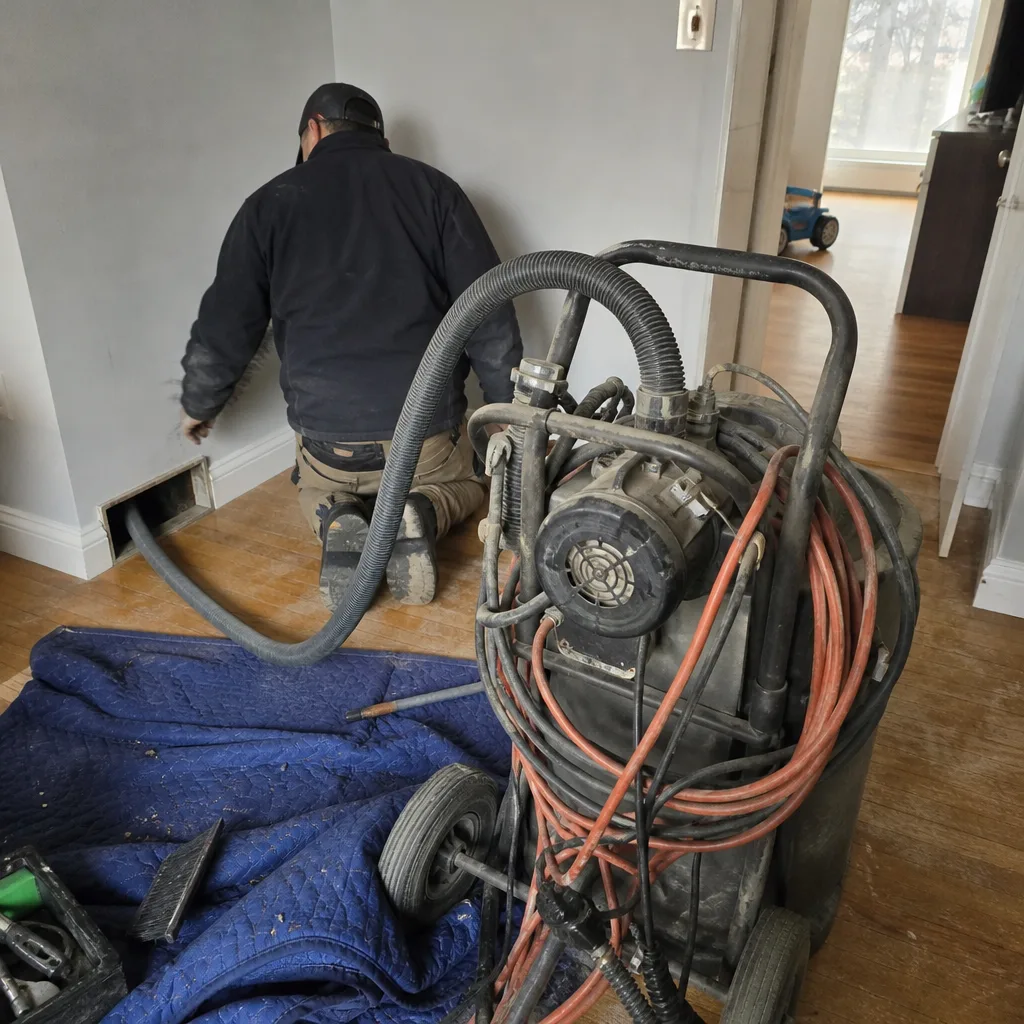
See the difference
 Before
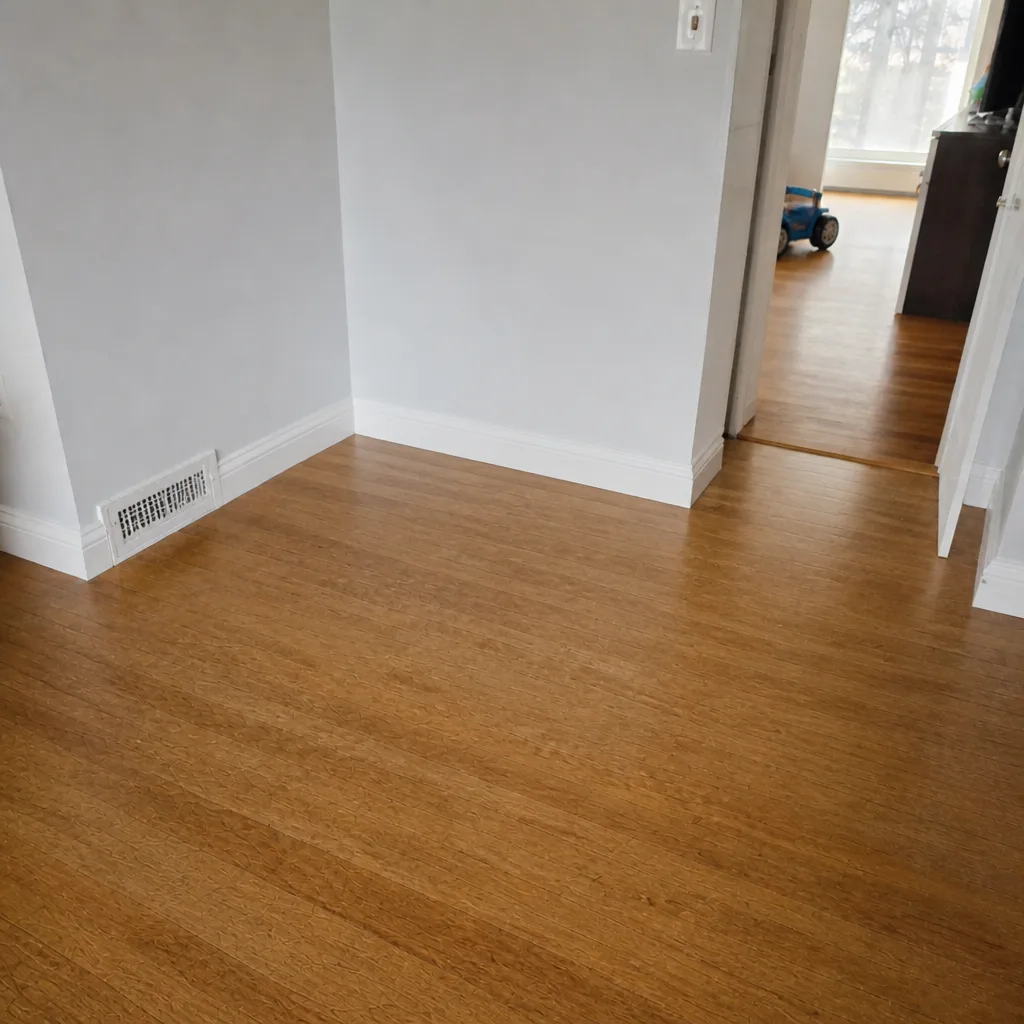 After
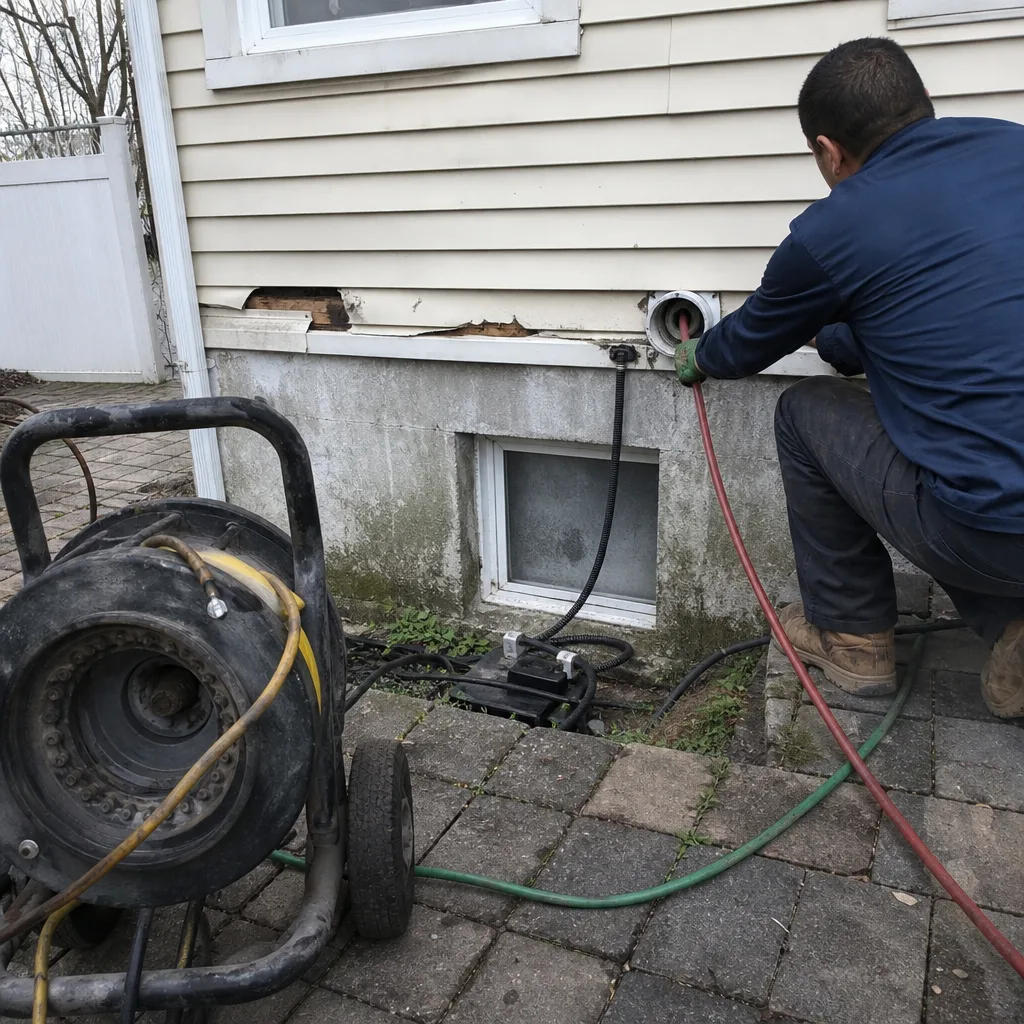 Before
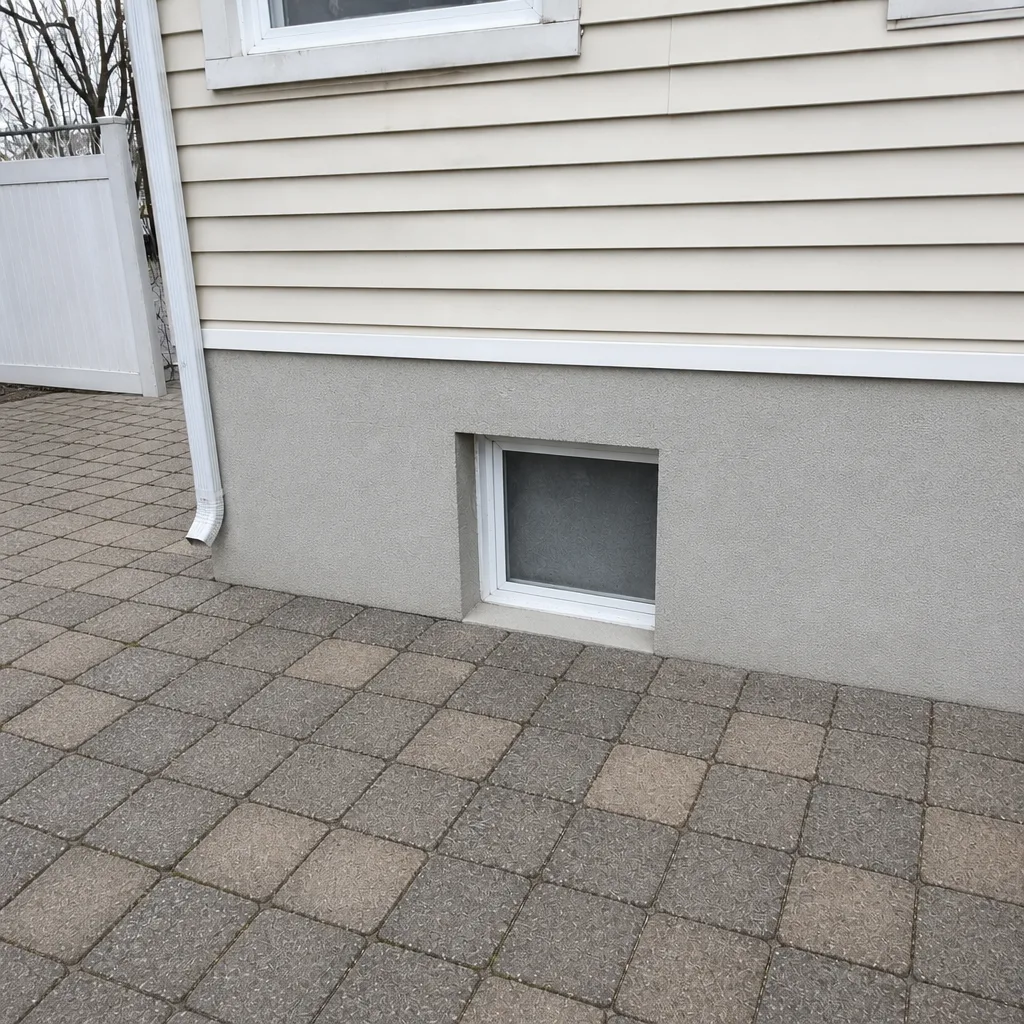 After
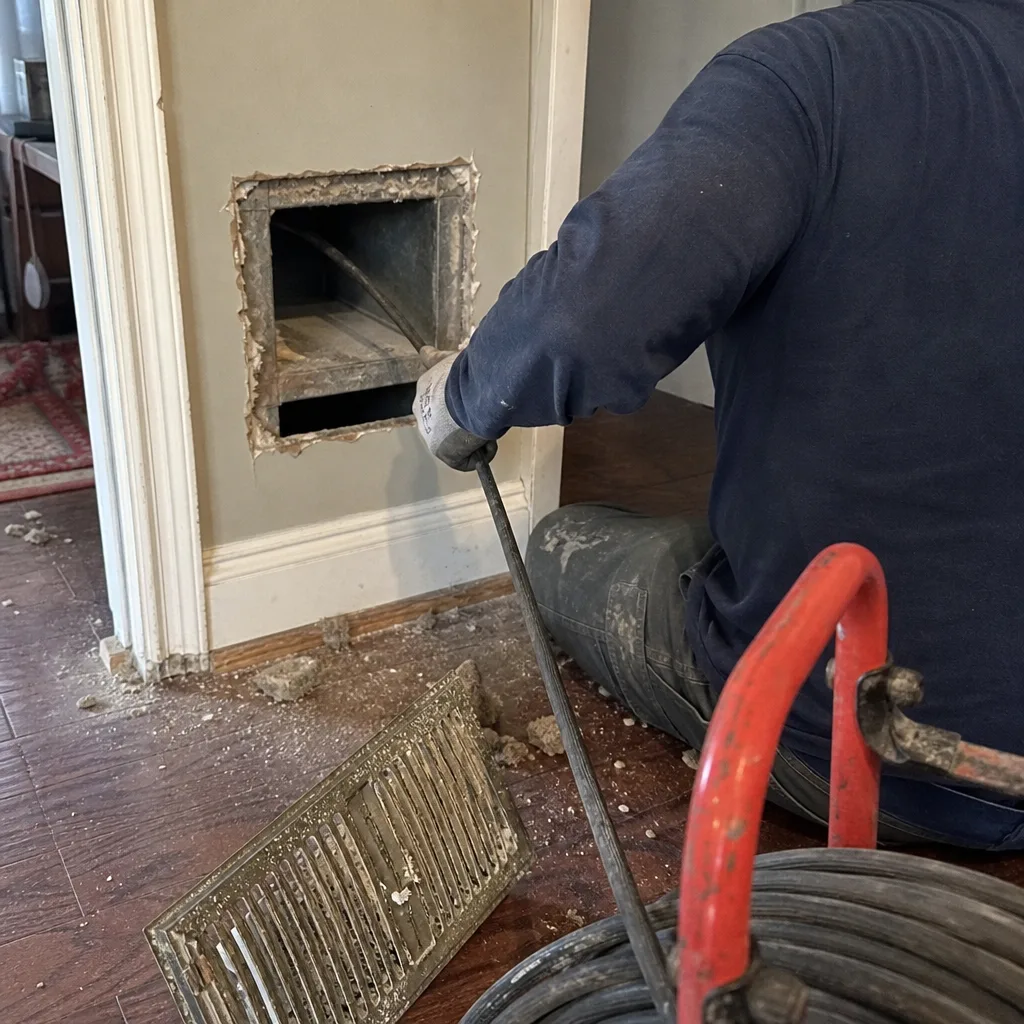 Before
 After
When to Call a Professional
Call a professional when the symptom points to something beyond a filter change or a loose register grille. Specific scenarios: a musty smell that persists after cleaning, a tissue test that shows leaks at multiple boots, dust returning on the supply vents within weeks, weak airflow at every register, a collapsed or visibly kinked flex run, and any sign of standing water near the air handler. Our technicians have up to 9 years of experience diagnosing exactly these cases, and the local pro we connect you with is licensed and insured as their state requires. Air Duct Cleaning Long Island City offers free estimates in Long Island City. Call (833) 918-5344. We answer 24/7. Fast dispatch from 7am to 7pm, Sunday through Friday. The written estimate sets the final price, and we photograph the before-and-after of your own system so you can see what the work actually did.
Frequently Asked Questions
Most air duct cleaning in Long Island City runs on a whole-system basis rather than per vent, because the cost tracks the size of the system and the number of runs, not the number of registers. That’s why we avoid per-vent pricing. One flat price per system is agreed before work starts, and the written estimate sets the final figure. Call (833) 918-5344 for an exact quote – estimates are free.
Low quotes usually reflect a suction-only job with consumer-grade equipment, no brush agitation, and no HEPA containment. That’s the difference between a cleaning that holds for years and one that leaves the bonded layer in place. A low teaser number that grows once the technician is on site is the other common pattern. One flat price per system, agreed in writing before work begins, avoids both. Call (833) 918-5344 to get a clear, whole-system quote.
Ask for before-and-after photos of your own ducts, not stock images. A professional-grade crew will document the work, and the Rotobrush and Nikro systems produce a visible difference in the duct interior that can be photographed. We show you the photos at the end of the job. Call (833) 918-5344 if you’d like to see what we mean.
Most homes need it every few years, not every season, unless you have pets, recent renovation dust, or a known system issue. The trigger is the symptom, not the calendar. If dust reappears on the vents quickly, the system has a leak rather than a cleaning need. Call (833) 918-5344 and we’ll help you figure out which one you’re looking at.
Yes, and it’s worth doing. Set the fan to on, hold a tissue against each supply register and the return, and note where it flutters instead of pulling. That gives you a starting list of leak points. It won’t tell you the severity or the source side, so a technician should confirm before you commit to sealing. Call (833) 918-5344 once you have your list.
Weak airflow in a single room usually points to a collapsed or kinked flex run, a closed or stuck damper, or a leak at that room’s boot. In the pre-war conversions common in Long Island City, tight routing and loosely fitted boots make single-room problems more likely. A tissue test at that register and the visible run will help narrow it. Call (833) 918-5344 if you’d like a professional to confirm.
The Bottom Line
Air duct problems are a diagnostic exercise, not a cleaning routine. Dust that comes back after cleaning points to a breach. Musty odor that survives cleaning points to moisture in the plenum, pan, or coil. Weak airflow at every register points to the blower. Weak airflow at one room points to a duct run. Matching the symptom to the mechanism is what makes a repair stick, and it’s why the sequence matters: clean, seal, sanitize, and only replace when the duct itself can’t be saved. Whether you’re in a pre-war Long Island City conversion or a newer build, the same discipline applies. Our technicians have up to 9 years of experience reading these symptoms, and the local pro is licensed and insured as their state requires.
If you’d like a professional read on what your ducts are telling you, we’ll start with a free estimate and one flat price per system, agreed before any work starts. Call (833) 918-5344. We answer 24/7. Fast dispatch from 7am to 7pm, Sunday through Friday.
Written by the team at Air Duct Cleaning Long Island City.