
Last updated November 22, 2026
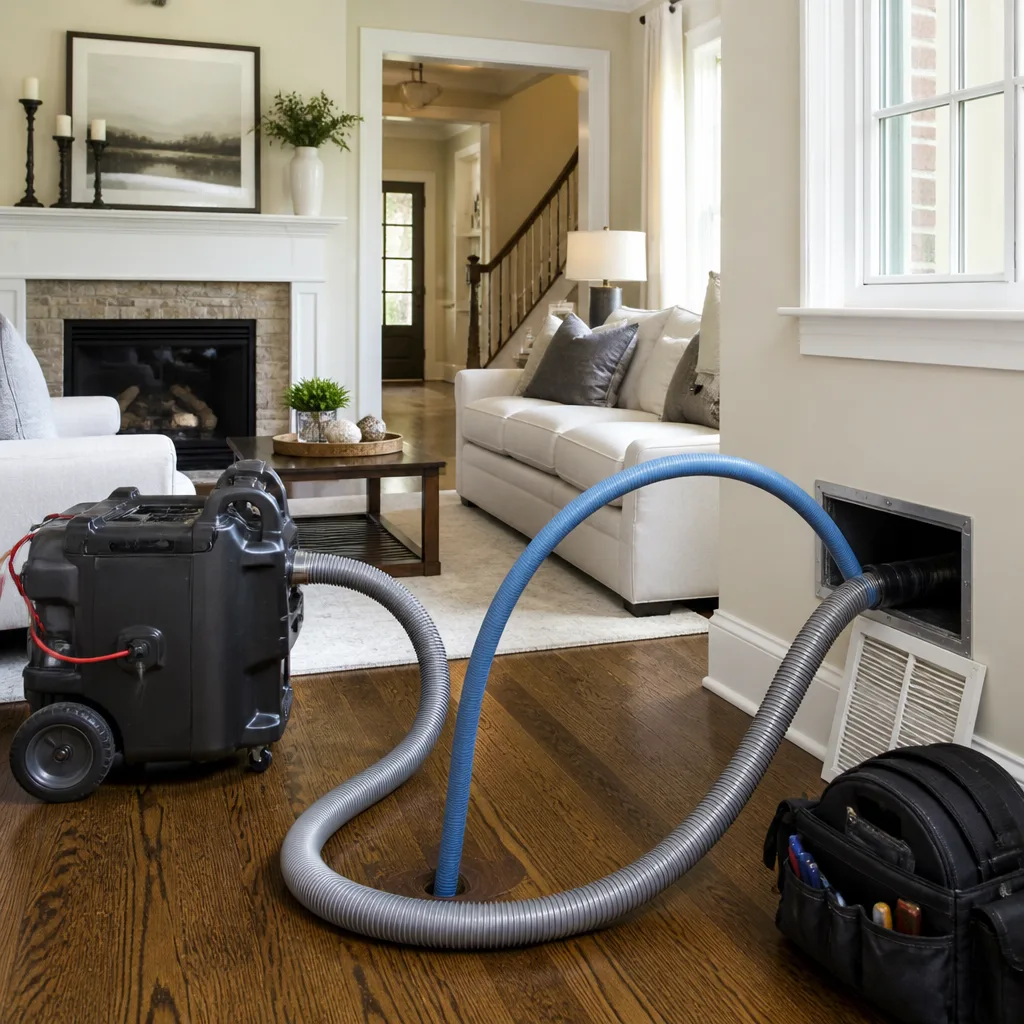 Whole-home duct cleaning
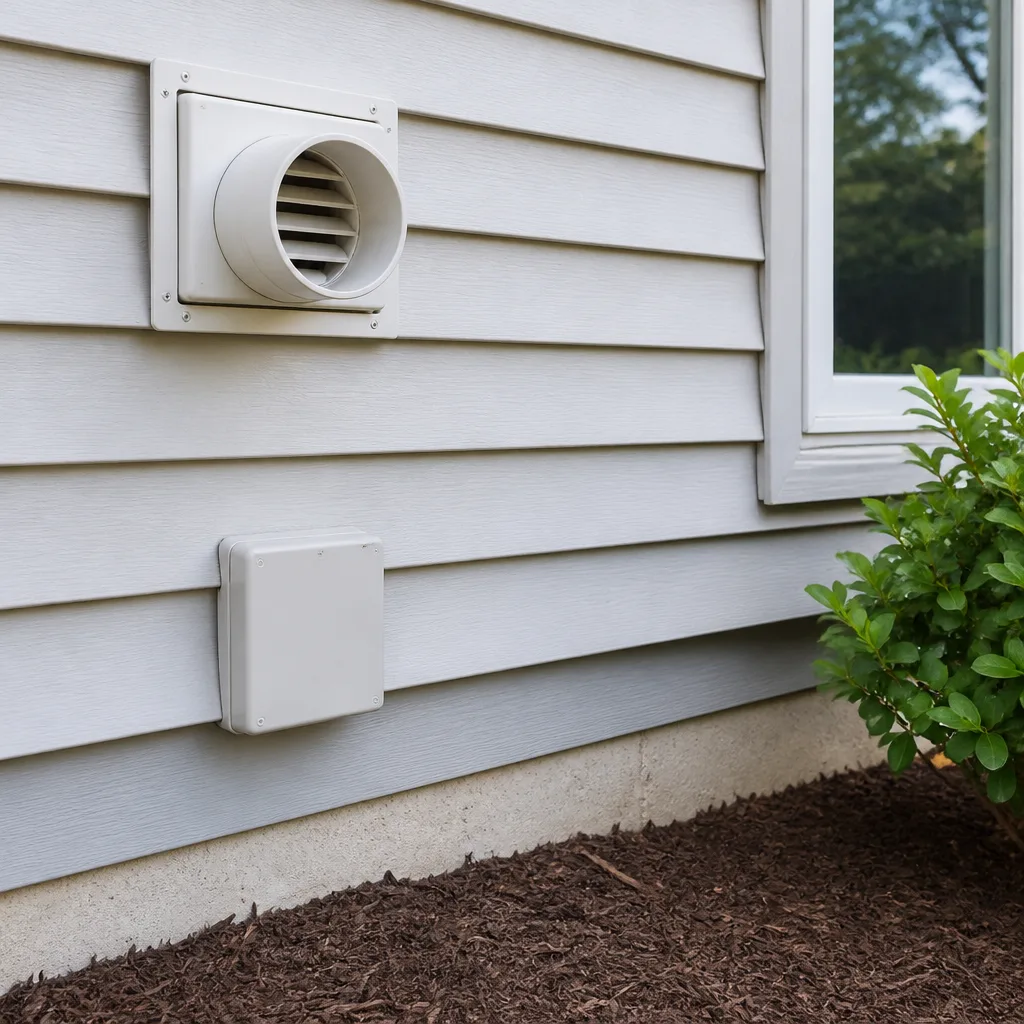 Dryer vent cleaning
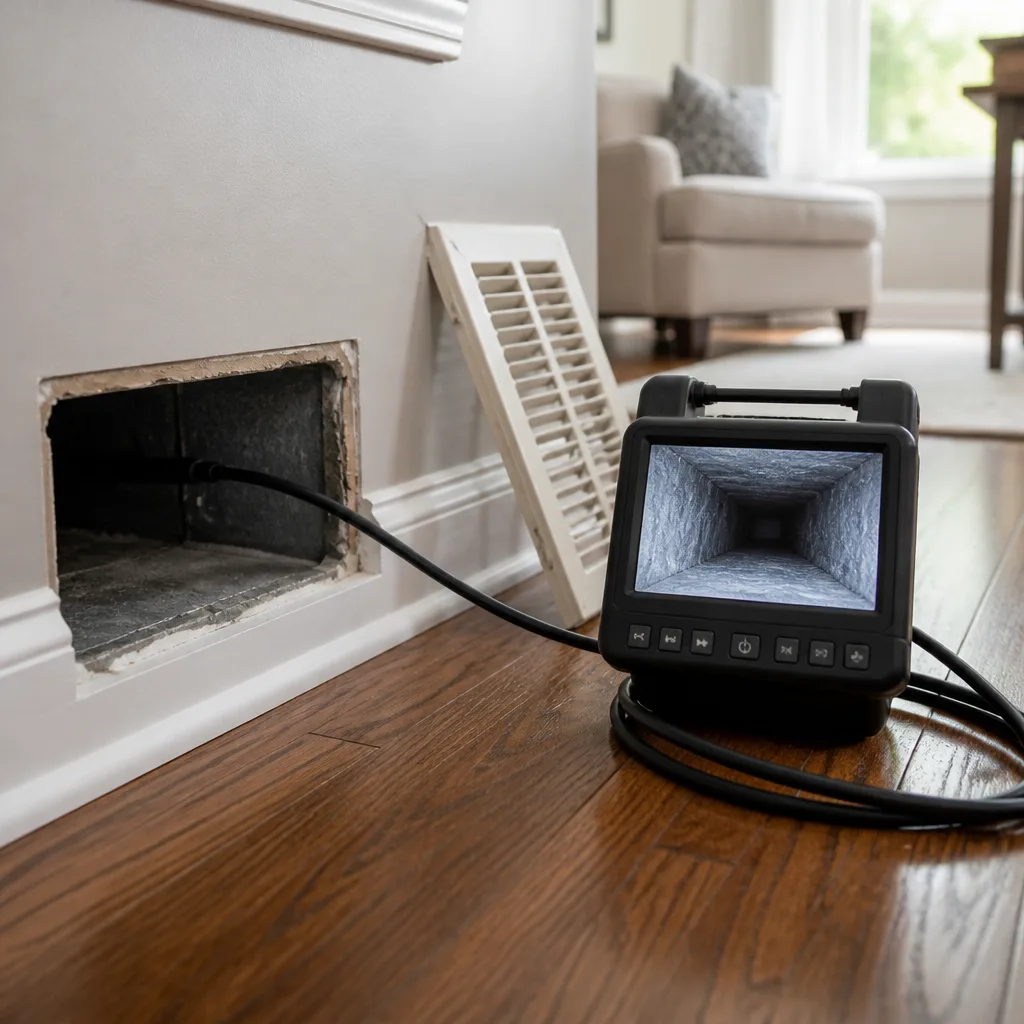 Camera inspection
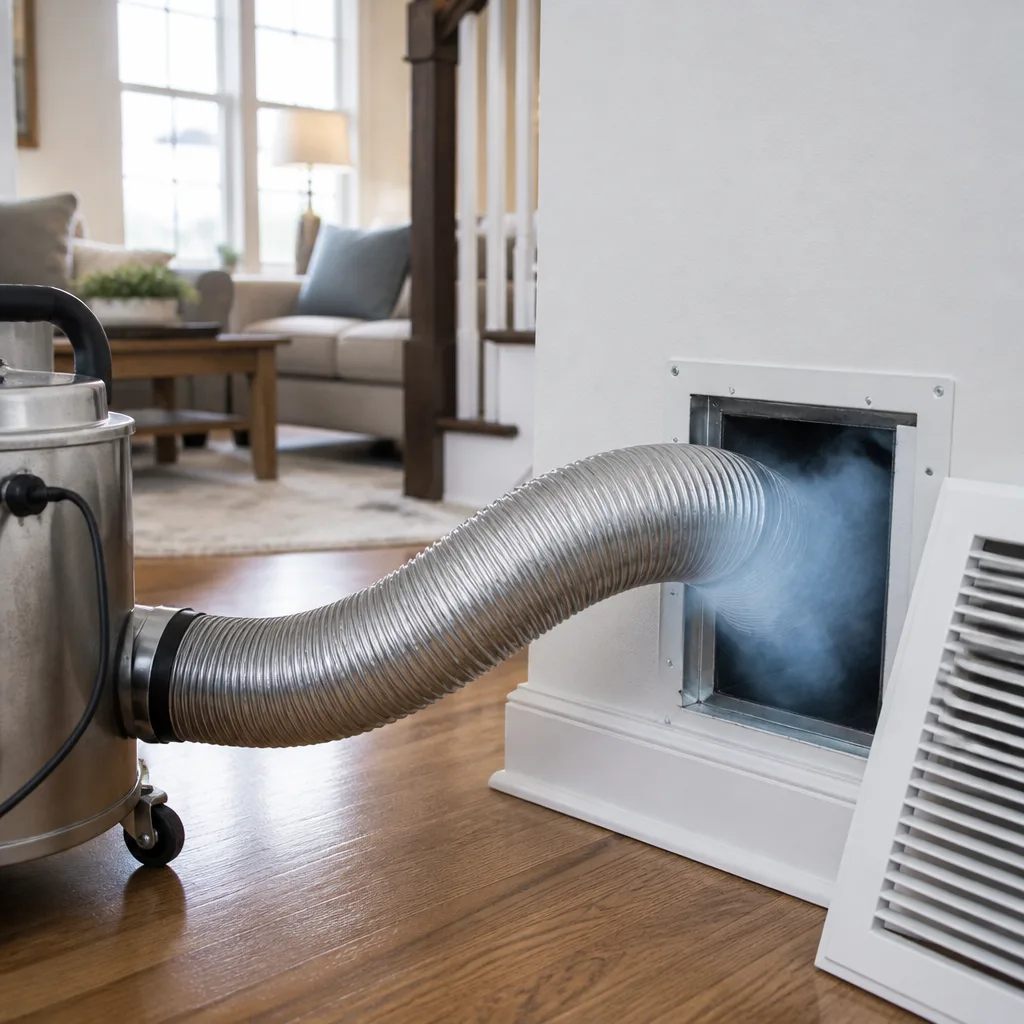 Sanitizing & deodorizing
Whole-system duct and dryer vent check with before-and-after photos - you see exactly what came out of your vents
That "$99 whole-house special" is a bait ad - the real number appears once they are in your hallway, or the "clean" is a shop-vac at the register. We photograph the inside of your ducts before and after instead.
Air Duct Cleaning Warning Signs: A Long Island City Homeowner’s Reference Guide
A musty smell that only appears when the heat comes on isn’t a filter problem. It’s often biofilm in the heat exchanger or duct lining, and no amount of filter changes will touch it. That gap between what a symptom looks like and what it actually means is where most Long Island City homeowners get stuck. Visible dust on a register is the easy sign, and it’s usually the last one to show up. The subtle signals come first: a smell with a schedule, a bedroom that stops keeping up, a cough that clears when you leave the apartment. This guide walks through the warning signs that point specifically to duct contamination rather than a thermostat, a filter, or the air outside your window.
Quick Answer
In Long Island City, the duct problems worth acting on usually show up as smell patterns (musty when the heat runs, stale all the time), airflow that changes room to room, symptom clusters that ease when you leave home, and heavy buildup at return grilles. Visible dust is a late signal, not the first one. If two or more of these show up together and your ducts haven’t been serviced in years, it’s worth having them inspected.
Styles & brands we work with
- Whole-home duct cleaning
- Dryer vent cleaning
- Camera inspection
- Sanitizing & deodorizing
Table of Contents
- What Your Ducts Smell Like, and What Each Smell Means
- Airflow Changes That Point to Ducts, Not Your Thermostat
- Health Symptoms That Correlate With Duct Contamination
- What to Look At Yourself: Registers and Return Grilles
- The Long Island City Triggers Most Guides Skip
- A Seven-Day Airflow Check You Can Run Yourself
- What Professional Duct Cleaning Actually Involves
- How Often Ducts Really Need Cleaning
What Your Ducts Smell Like, and What Each Smell Means
Smell is the most underrated diagnostic tool a homeowner has. It’s also the one people misread most often. An odor that appears only when the system runs is telling you something about where the air is passing, not about the room it lands in. In our experience, three smell families come up again and again in Long Island City, and each points somewhere different.
- Musty or damp-earth. This is microbial. It usually means moisture has settled somewhere in the system: a damp heat exchanger, condensation on duct lining, or biological growth on dust that’s stayed wet. Changing the filter won’t clear it because the filter sits downstream or upstream of the problem, not on top of it.
- Acrid, hot, or vaguely electrical. This is not a duct cleaning call. It points to electrical components, a failing blower motor, or combustion byproducts. Stop using the system and get it checked. Treat it as a safety issue first and a cleaning question never.
- Stale, flat, or “old building” smell. This is accumulation. Years of settled dust, debris, and normal household particles have built up on duct walls, and every cycle pushes a little of that smell into the room. It’s the least alarming of the three and the most fixable.
Timing matters as much as the smell itself. Odors that appear when heat kicks on but vanish in cooling season point toward the heat exchanger and the duct lining nearest it. Odors that hang around no matter the season point to accumulation throughout the system. Odors that show up only in one room point to a branch line or a register connection. Note when you smell it and where, and that note is worth more to an inspection than any general description.
Airflow Changes That Point to Ducts, Not Your Thermostat
When a room stops heating or cooling as well as it used to, most people adjust the thermostat, close a vent, or assume the system is getting old. Sometimes that’s right. Often it’s a duct problem hiding behind a comfort complaint. The giveaway is the pattern, not the symptom alone.
A thermostat issue tends to affect the whole home evenly. A duct issue is almost always uneven. The bedroom above the kitchen cools fine while the room at the end of the hall stays warm. A basement room never quite catches up. One side of an apartment feels stuffy while the other is comfortable. That asymmetry is the clue. Air is reaching some rooms and not others, and the system itself is running normally.
Three patterns are worth remembering:
- One room, consistently off. Usually a blocked, kinked, or crushed branch duct, or a register damper that’s drifted shut.
- A whole zone or floor that’s weak. Often a main trunk issue, a disconnected run, or a leak that’s bleeding conditioned air into a wall cavity or crawlspace before it reaches the room.
- Weak airflow everywhere, gradually. Usually a system-wide restriction: heavy duct buildup, a failing blower, or a collapsed flex run.
If the weakness appeared suddenly, think blockage or disconnect. If it worsened slowly over a season or two, think buildup or a gradual leak. Either way, an inspection that includes airflow measurement and a visual pass through the accessible ductwork will tell you which one you’re dealing with. Cleaning alone won’t fix a crushed duct, which is why Air Duct Cleaning Long Island City treats repair and sealing as part of the same conversation as cleaning.
Health Symptoms That Correlate With Duct Contamination
The hardest part of reading your own home is separating an indoor air problem from an outdoor one. Long Island City sits in dense, busy air, so outdoor triggers are real. The trick is to look at the pattern, not the symptom on its own.
Outdoor air quality issues tend to be worse when you’re outside, better when you’re indoors, and consistent across seasons in a way that follows the city, not your building. Duct contamination tends to flip that. Symptoms are more noticeable when you’re home, ease when you leave for a stretch, and often show up shortly after the system runs. If a family member starts coughing or sneezing within half an hour of the heat coming on, or if mornings in one specific room are reliably worse than afternoons anywhere else in the home, that’s a pattern worth writing down.
Watch for clusters rather than single symptoms. One person with a seasonal allergy is one thing. Two or more people in the same home reporting similar irritation, or one person whose symptoms are clearly worse at home and better away, is a stronger signal. So is a pattern that repeats in the same room across seasons. Note that this isn’t a medical diagnosis and shouldn’t be treated as one; it’s a home-health observation that tells you where to look next.
Two long-term markers worth keeping in mind: visible dust settling on surfaces faster than it used to, and dark discoloration around supply registers. Neither is proof of a problem, but both are consistent with heavy duct buildup. If you’re weighing an inspection, this is one of the signs that most clearly justifies one.
What to Look At Yourself: Registers and Return Grilles
You don’t need tools to do a first-pass check. Two features matter most: the register faces (where supply air enters a room) and the return air grille (where air heads back to the system).
Supply registers. A thin dust line on the fins is normal. A thick, matted, dark buildup on the fins and the surrounding ceiling or wall is not. That buildup is a small sample of what’s upstream. If every register in the home shows the same buildup, the ducts almost certainly do too. If one register is heavily soiled and the rest are clean, look for a localized issue: a leak pulling in building dust, a poorly fitted grille, or a branch that’s been exposed to construction debris.
Return air grilles. These catch the most. Lift the grille cover, if you can safely do so without tools, and look at the filter and the duct mouth behind it. A filter that darkens within weeks of a change, or a duct mouth with visible dust caked onto the lining, is a strong sign that the system is moving contaminated air. A clean filter and a clean duct mouth behind a dirty grille face is a softer sign, but still worth noting.
Registers you should not touch. Don’t reach into any duct beyond the grille face, don’t pull flex runs, and don’t try to visually inspect past a sharp turn. Duct interiors can be lined with material that’s easy to damage and hard to repair, and unknowingly loosening a joint can make a small leak a large one. If you can’t see a problem from the room side, it’s time for a pro with a camera.
Photograph what you find. A phone photo of a soiled return grille before and after professional cleaning is one of the clearest ways to know the work was actually done, and it’s exactly the kind of before-and-after documentation that air duct cleaning should include on any job it takes on.
The Long Island City Triggers Most Guides Skip
Long Island City has a set of conditions that don’t come up in generic national guides. If you live in a converted loft, a newer mid-rise, or a prewar walk-up in this neighborhood, the following triggers are worth a closer look than the standard warning-sign checklist would suggest.
Post-renovation debris. Renovation dust is fine enough to travel through a system and settle into duct walls, and it’s often aerated right when work starts. If a unit near yours, or your own unit, had a gut renovation in the last year or two, dust that keeps reappearing on surfaces after cleaning is worth investigating. Sealing gaps and cleaning the ductwork in the right order matters here, and our service plan addresses both.
Water intrusion from above-grade flooding. Long Island City has had more than its share of roof leaks, burst risers, and summer downpours that push water into unexpected places. Water that enters a duct cavity doesn’t always dry cleanly. A musty smell in a bathroom or hallway following a water event, even months later, often traces back to a damp duct path or a wet section of flex duct that was never properly dried. Cleaning without addressing the moisture source just resets the clock.
Shared HVAC systems in multi-unit buildings. Cross-contamination between units is a real and often overlooked issue in larger buildings. If your musty smell seems to come from a shared corridor or a neighboring unit rather than your own rooms, the duct system itself may be pulling air across unit boundaries. A proper inspection looks at whether the system is actually serving one unit or several, and where the return paths cross. That distinction changes what “cleaning” even means.
Heat exchanger and duct-lining interaction. In older conversions, duct lining used in place of metal can hold onto moisture and organic debris in a way sheet metal cannot. If you’re in a building from the mid-twentieth century or earlier, ask whether the ducts are internally lined. It changes the cleaning method and the expectations.
A Seven-Day Airflow Check You Can Run Yourself
Before you call anyone, spend a week writing down what your system actually does. This is more useful than a single sniff or a hunch, and it lets a technician walk into a real pattern rather than a vague complaint. Here’s a simple version:
- Day 1: Note the smell. When the system turns on, stand in the room closest to the main return and describe the smell in one or two words. Musty, acrid, stale, or none. Do this at the same time each day.
- Day 2: Check each room’s airflow. Hold a piece of tissue or a light strip of paper near each supply register and watch how it moves. Note which rooms are strong and which are weak.
- Day 3: Photograph every return grille and supply register. Use the same light and the same distance. Photo evidence of before-and-after change is hard to argue with later.
- Day 4: Note any room-by-room comfort difference. Where in the home is it consistently warmer or colder than the thermostat setting suggests?
- Day 5: Track symptoms. Has anyone in the household had irritation, cough, or a headache pattern? When did it start, and does it change when they leave the home for a few hours?
- Day 6: Check for moisture history. Any recent leaks, roof work, plumbing work, or heavy rain? Note the date and whether the affected area is near duct runs or returns.
- Day 7: Review and rule out. If most days point to smell, airflow, symptoms, or moisture together, that’s your signal. If only one does, it’s worth noting but not a red flag on its own.
Bring these notes to any inspection. It also makes the estimate more accurate, because the technician can target the inspection instead of doing a blind pass through every run in the system.
What Professional Duct Cleaning Actually Involves
Understanding the process is one of the best defenses against the bait-and-switch reputation this trade carries. A real duct cleaning job is not a guy with a shop vac pointing a hose at your return grille. The professional version uses two systems in tandem: mechanical agitation inside the duct, and negative-pressure containment on the outside so loosened debris is pulled out rather than blown into the room.
At the containment end, we use Nikro HEPA-vacuum equipment to put the system under negative pressure so nothing escapes into the living space. At the agitation end, we use a Rotobrush rotary-brush system to break up buildup on duct walls that vacuuming alone can’t lift. The two have to work together. A vacuum without agitation leaves the buildup attached. Agitation without containment just relocates it.
The process itself looks roughly like this:
- Access. We open access panels and register boots at the right points, with care not to damage the lining or the joints.
- Containment. A HEPA-rated system is attached to establish negative pressure across the duct network.
- Agitation. Brush heads run through each accessible run, breaking up dust, debris, and biological buildup from the duct walls.
- Extraction. The loosened material is pulled back through the HEPA system and captured.
- Inspection. The system is checked with a camera or visually at each access point, and before-and-after photos are taken of the ducts themselves, not the grille face.
- Optional sanitizing. Where a microbial or odor issue is present, an antimicrobial treatment using Honeywell or Aprilaire air-quality products can be applied. This step is about addressing the biological component of the problem, not just the visible debris.
Air-quality work doesn’t stop at cleaning. If the inspection finds leaks, disconnected runs, or damaged lining, the fix is HVAC cleaning combined with duct repair and sealing. And because no single service line tells the whole story, dryer vent cleaning is worth doing at the same time, since a clogged dryer vent is a fire-prevention issue that duct-only cleaners routinely skip. A full air-quality visit addresses cleaning, sealing, and sanitizing together, so the same crew isn’t back in three weeks for a problem that should have been caught the first time.
How Often Ducts Really Need Cleaning
The honest answer is: it depends on the system. Most homes in Long Island City don’t need duct cleaning on a fixed schedule, and a cleaning every year is usually unnecessary unless the conditions below apply. So what actually moves the needle?
- Recent renovation or construction. Cleaning at the close of the project, not just during, is worth doing to clear fine debris before it settles into the duct walls.
- Water intrusion or flood. Clean, dry, and check for microbial growth before the system runs again.
- Visible buildup at return grilles or heavy debris at supply registers. This is the strongest single signal, and it rarely turns off by itself.
- Persistent musty odor or unexplained symptom clusters with no other obvious cause.
- New-to-you home or apartment with unknown service history. A one-time inspection is reasonable even without symptoms.
In an average home without any of those triggers, a maintenance check every few years is usually enough. Buildings with shared HVAC, older internally lined ductwork, or a history of water events should be checked more frequently. If you’re not sure where your building falls, describing your setup over the phone is usually enough to get a straight answer. Our technicians have up to 9 years of experience across residential and commercial systems, and the answer to “do I need this” is sometimes no.
Common Mistakes to Avoid
- Blaming the filter first. A filter catches what’s in the air, not what’s on the duct walls. Changing it monthly won’t clear biofilm, duct lining buildup, or a smell coming from upstream. It’s the wrong tool for the wrong problem.
- Assuming a thermostat problem is a thermostat problem. Uneven room temperatures look like a control issue but are often a duct restriction. If one room is consistently off, look at the duct run first.
- Booking the cheapest per-vent price without asking what it includes. A low price often covers only a surface vacuuming of the grille face. Ask whether agitation and negative-pressure containment are included, and whether the duct interior is inspected before and after.
- Skipping the return grille when inspecting. The supply registers get the attention, but the return is usually where the story starts. Lift the cover and photograph what’s behind it.
- Cleaning without fixing the moisture source. If there’s been a leak, a roof event, or water intrusion in the building, cleaning alone just resets the clock. The moisture has to be dealt with or the problem comes back.
- Ignoring a shared system in a multi-unit building. If cross-contamination between units is possible, the cleaning scope has to account for it. A generic residential cleaning won’t touch this.
- Assuming a visual pass through the register counts as an inspection. You can only see a few inches past the grille face. A real inspection goes camera-first through the ducts and measures airflow.
See the difference
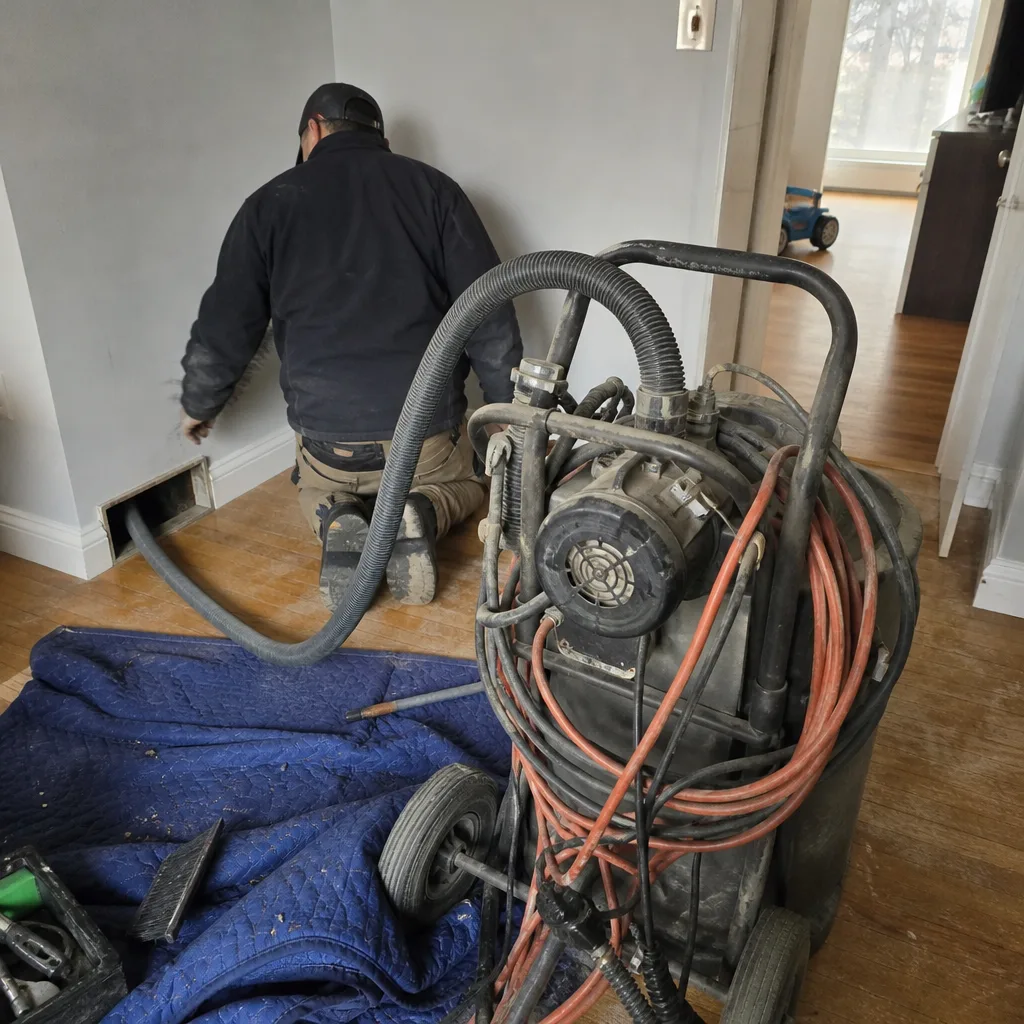 Before
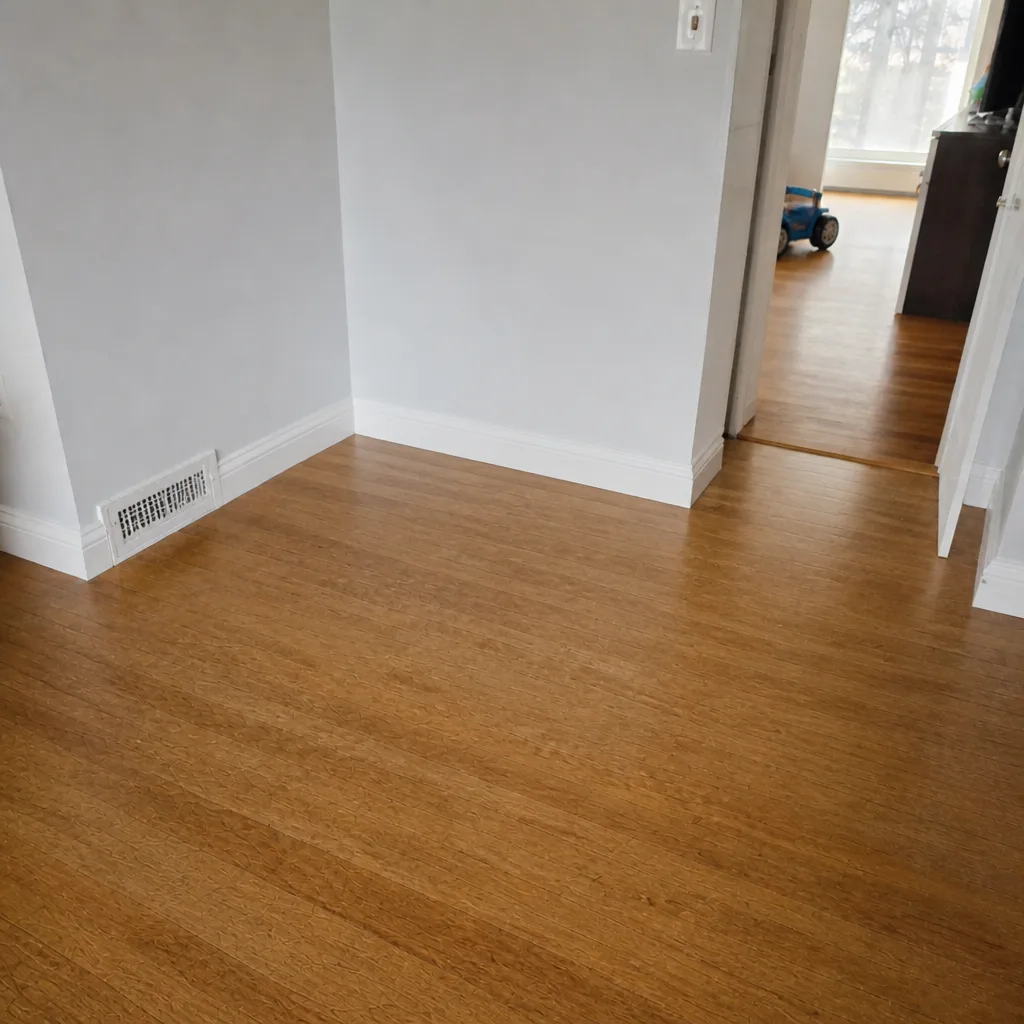 After
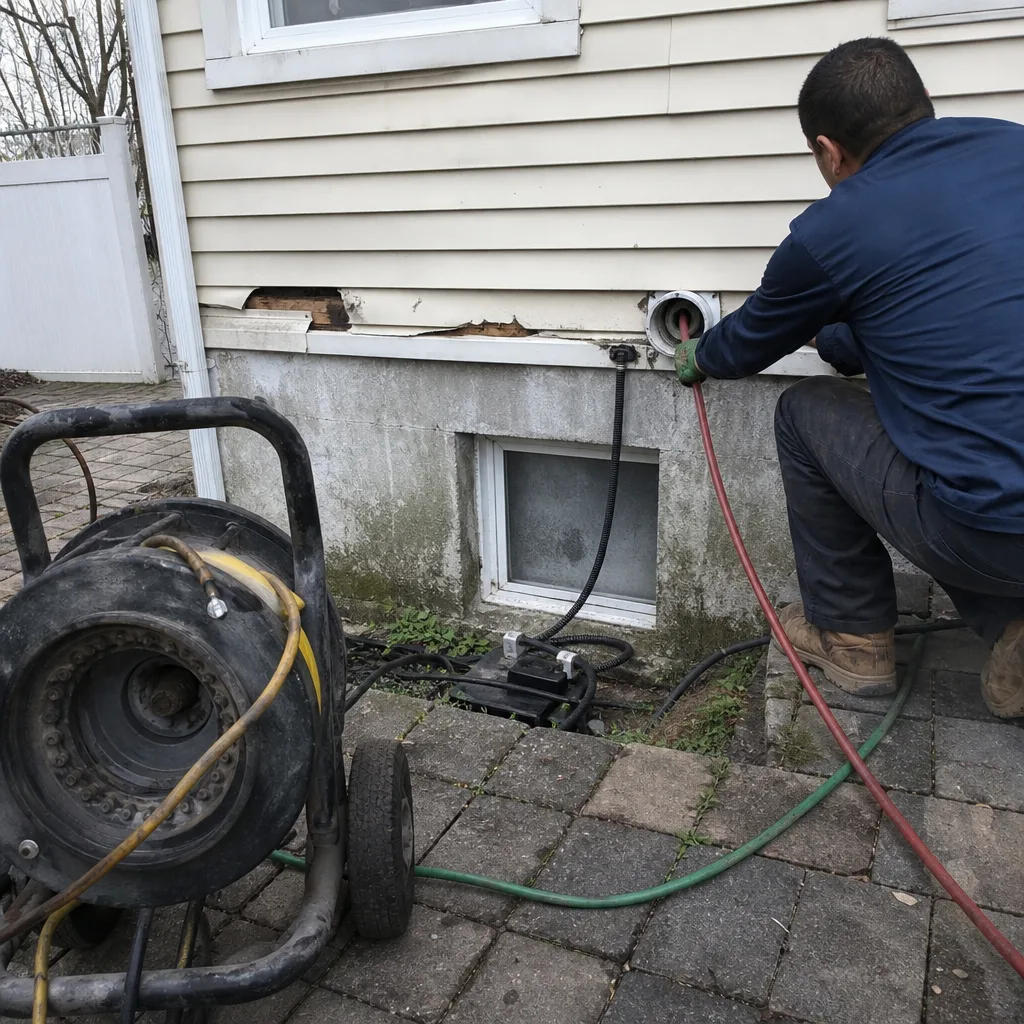 Before
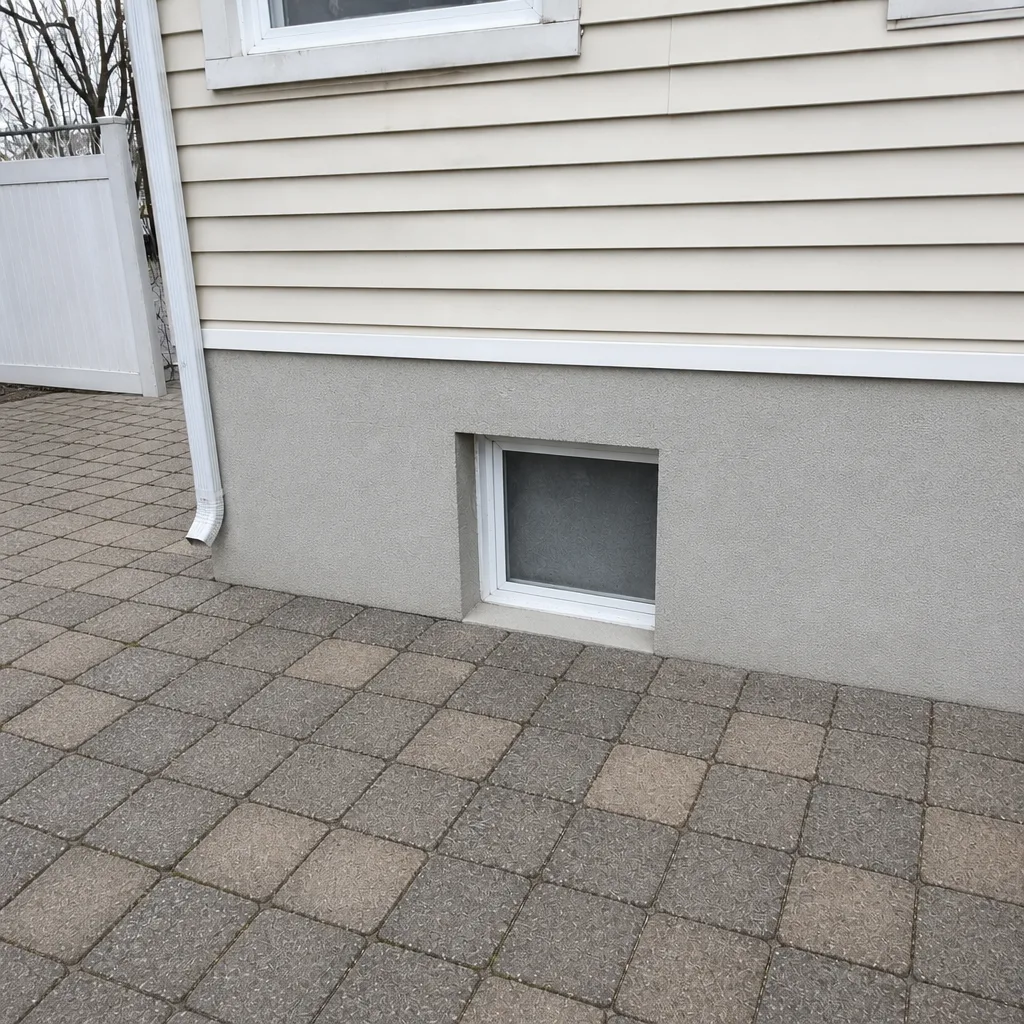 After
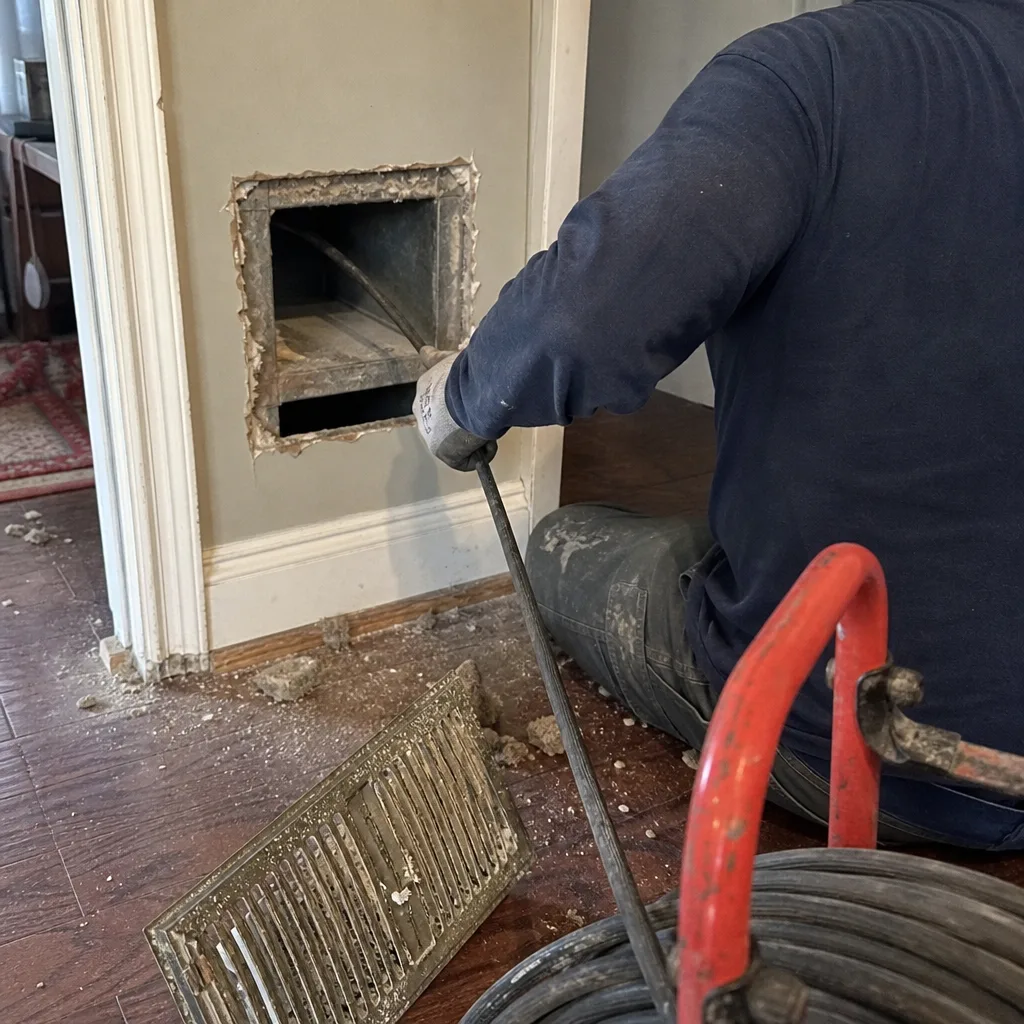 Before
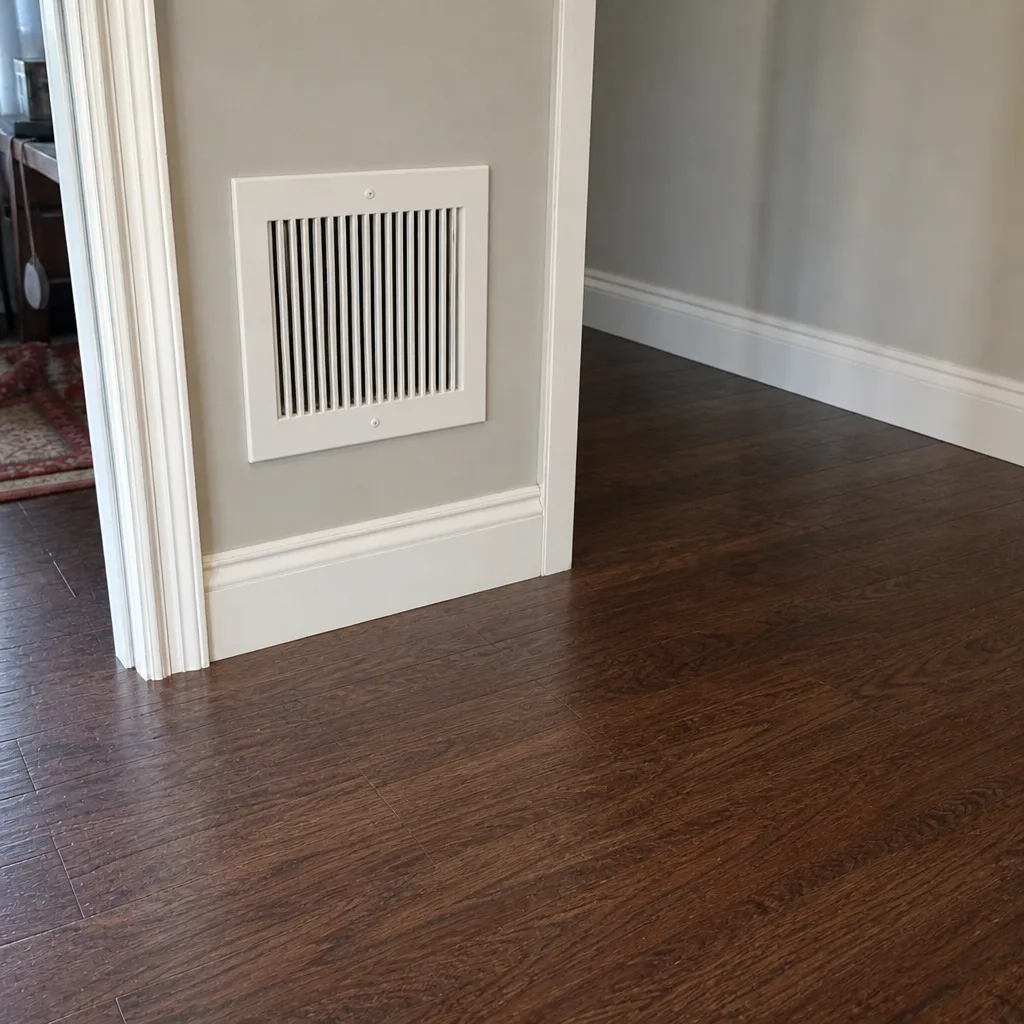 After
When to Call a Professional
Call when two or more of the signals in this guide line up: a smell with a pattern, rooms that heat or cool unevenly, symptom clusters that worsen at home, heavy buildup at return grilles, or a recent water event near duct runs. Call sooner if you smell something acrid or electrical, since that’s a safety issue and shouldn’t wait. And call before you buy anything to “fix” a problem you haven’t confirmed, including UV lights, air purifiers, or a new thermostat, because the underlying cause matters more than the add-on.
Air Duct Cleaning Long Island City offers free estimates in Long Island City. Call (833) 918-5344. We answer 24/7. Fast dispatch from 7am to 7pm, Sunday through Friday. Every estimate is a flat price per system agreed before work starts, with before-and-after photos of the ducts themselves provided as part of the job.
Frequently Asked Questions
Most whole-home jobs in Long Island City land in a typical range, but the exact number depends on the number of runs, the size of the system, and whether repair, sealing, or sanitizing is needed. We give one flat price per system, not a per-vent price, so the amount you’re quoted is the amount you pay. Call (833) 918-5344 for an exact quote. Estimates are free.
A cheap quote usually covers a different job than the one you may think you booked. It often means surface vacuuming of the grille face without brush agitation or negative-pressure containment, and sometimes no before-and-after documentation of the duct interior. The right comparison isn’t the price, it’s the scope: what equipment is used, how the duct interior is verified, and whether the crew addresses moisture or leaks. Call us and ask us to walk through the scope line by line.
Ask for before-and-after photos taken inside the ducts themselves, not just at the grille. The supply registers will always look better after a visit; the ducts are where the real change happens. On our jobs, that documentation is part of the service, not a request you have to make. If you want to see what your system looks like before booking, call (833) 918-5344 and we’ll explain what the inspection will cover.
Most Long Island City homes without a specific trigger can go a few years between cleanings. Renovation, water intrusion, heavy buildup at return grilles, and shared HVAC systems in larger buildings are the situations that justify doing it sooner. If none of those apply to you, an inspection is often enough to tell you whether cleaning is needed at all. Call (833) 918-5344 and describe your system.
Sometimes, but only if the smell is coming from dust and biological buildup in the ducts or on the lining. If the musty odor is specifically appearing when heat kicks on, that can point to the heat exchanger and the duct lining adjacent to it, which sometimes needs sanitizing or repair in addition to cleaning. An inspection is the way to find out which case you’re in. Call (833) 918-5344 to book one.
Yes, several. Renovation dust from nearby gut renovations is a common source, water intrusion from above-grade flooding events is a real factor in older buildings here, and shared HVAC systems in multi-unit buildings raise the possibility of cross-contamination between units. In older conversions, internally lined ducts can hold moisture differently than sheet metal. All of these change what a proper inspection should include.
The Bottom Line
The warning signs that matter most in Long Island City aren’t the ones you can see. They’re the smell with a schedule, the room that stopped keeping up with the rest of the home, the symptom cluster that eases when you leave, and the return grille that keeps fouling no matter how often you change the filter. Visible dust is confirmation, not a trigger. If two or more of the subtler patterns line up and the ducts haven’t been serviced in years, an inspection is worth the phone call. The right fix might be cleaning, it might be sealing a leak, or it might be just a filter and a note in your calendar. Getting an honest answer to that question is the whole point.
Call (833) 918-5344 to schedule a free estimate with Air Duct Cleaning Long Island City. We answer 24/7. Fast dispatch from 7am to 7pm, Sunday through Friday.
Written by the team at Air Duct Cleaning Long Island City.