
Last updated November 22, 2026
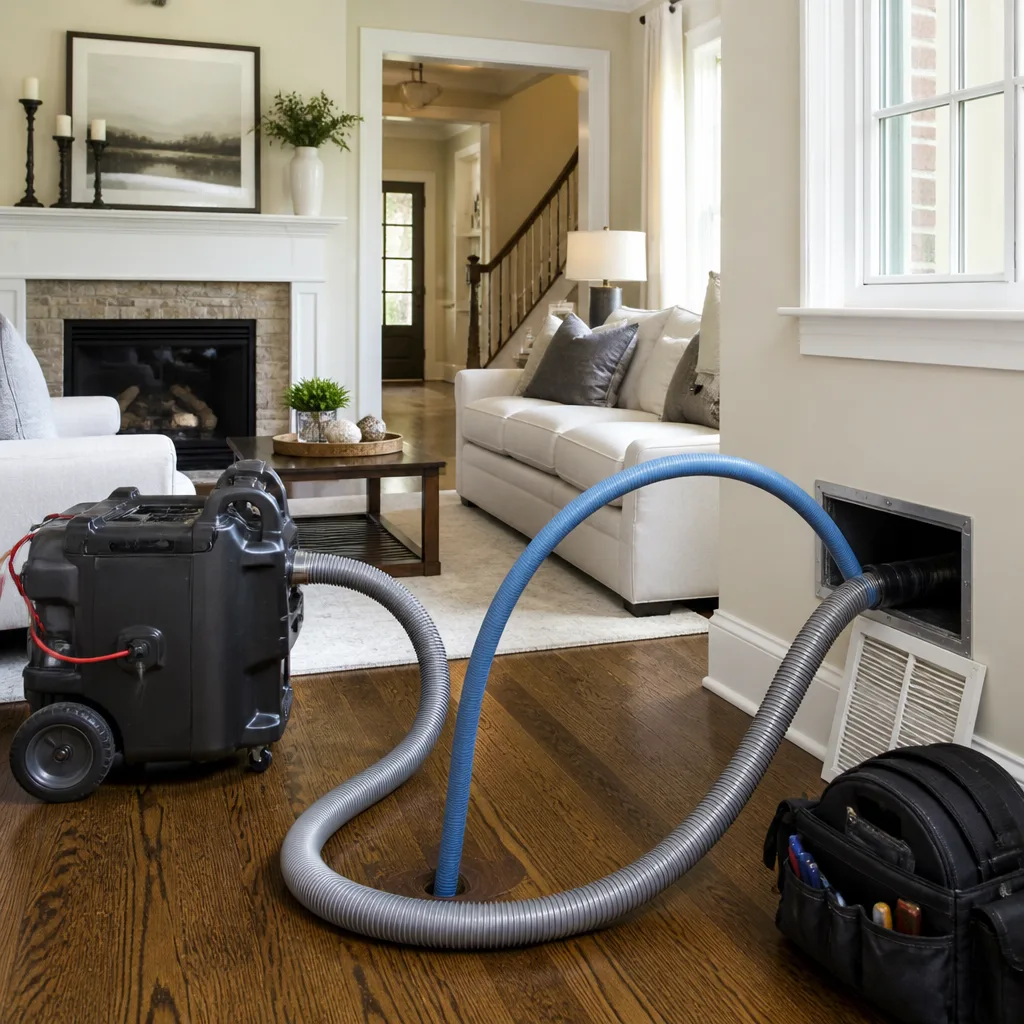 Whole-home duct cleaning
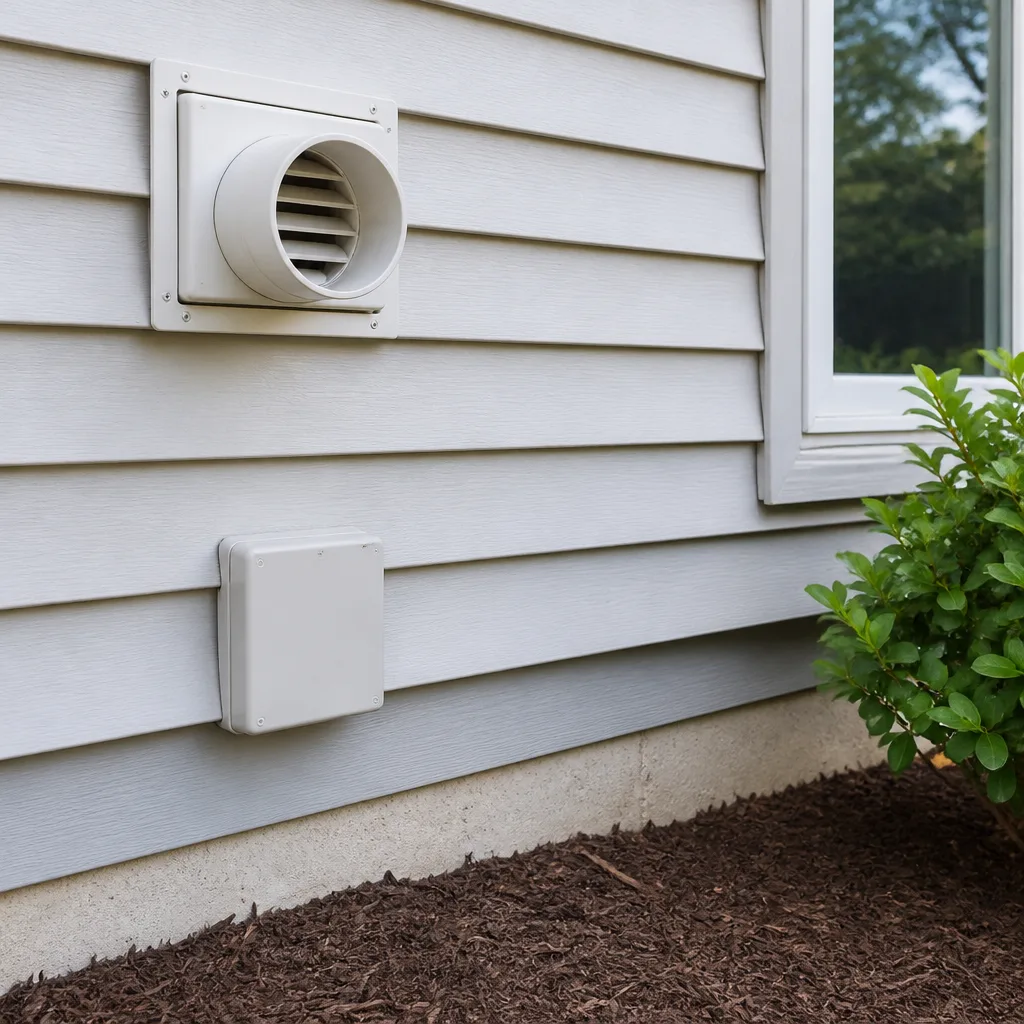 Dryer vent cleaning
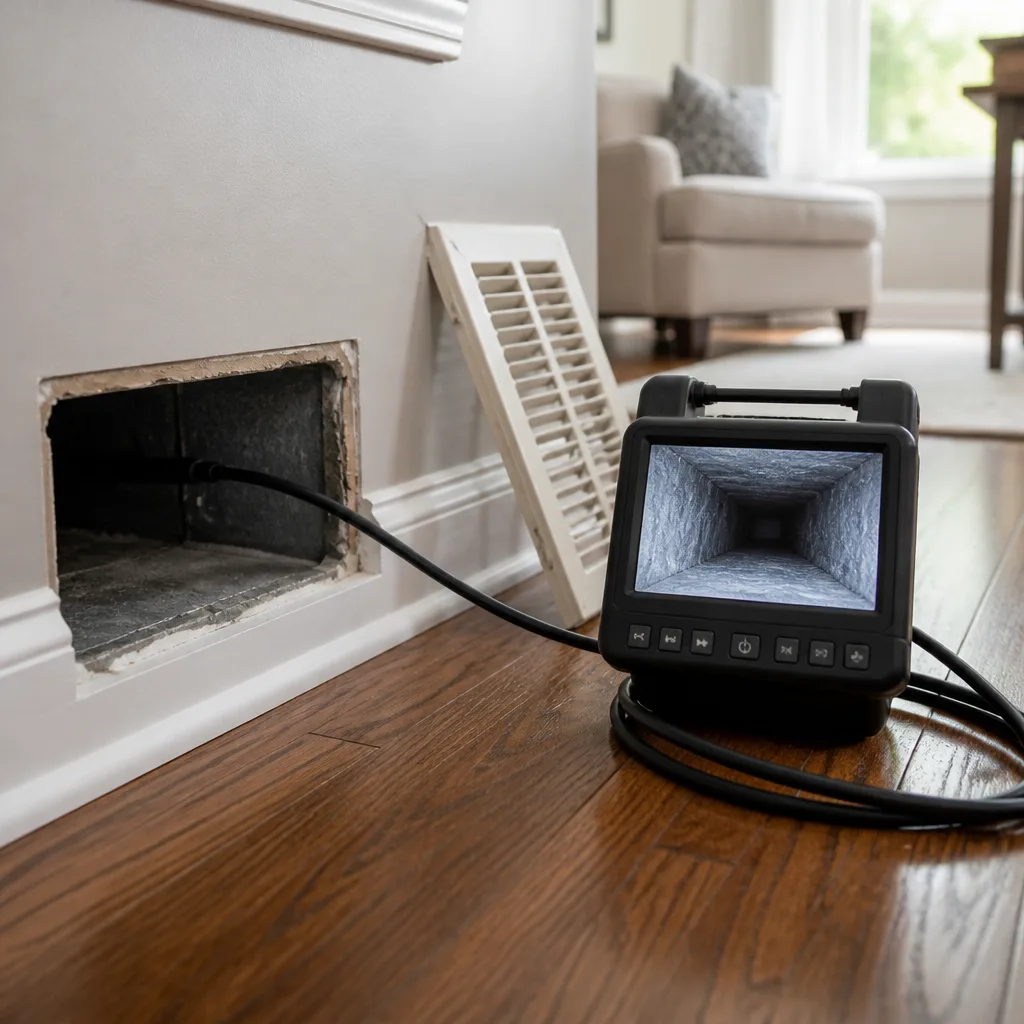 Camera inspection
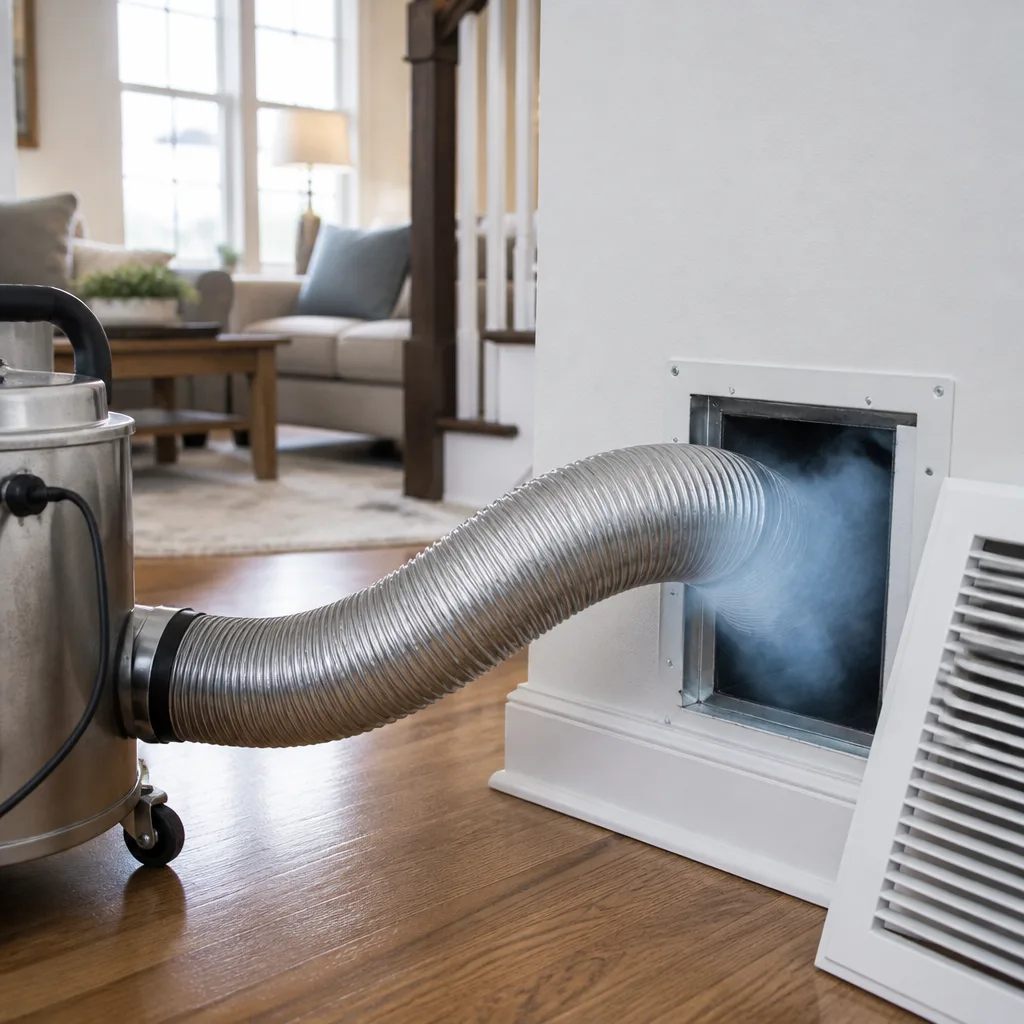 Sanitizing & deodorizing
Whole-system duct and dryer vent check with before-and-after photos - you see exactly what came out of your vents
That "$99 whole-house special" is a bait ad - the real number appears once they are in your hallway, or the "clean" is a shop-vac at the register. We photograph the inside of your ducts before and after instead.
The Complete Guide to Air Duct Cleaning in Long Island City
Most people assume their ducts are either clean or dirty, and that any vacuum strong enough will fix the dirty ones. That’s not how it works. What actually determines the result is whether the equipment can reach the surfaces, break the debris loose, and hold it in containment until it leaves your building. In a place like Long Island City, where converted lofts, pre-war walk-ups and new high-rise condos each hide a different duct layout, that process matters more than the price on the quote. This guide walks through what professional cleaning really involves here, how to read the documentation afterward, and how to tell source removal from a surface wipe-down.
Quick Answer
Air duct cleaning in Long Island City means mechanically agitating every reachable interior surface of the duct system and removing the loosened debris under negative pressure, then verifying the result with before-and-after documentation. It’s not a vacuum pass at the registers. The right approach depends on your building type, and the job should end with photos and a written report you can actually read.
Styles & brands we work with
- Whole-home duct cleaning
- Dryer vent cleaning
- Camera inspection
- Sanitizing & deodorizing
Table of Contents
- Why Long Island City Ducts Get Dirty Differently
- Three Building Types, Three Duct Configurations
- What Actually Happens During a Professional Cleaning
- Source Removal vs. Surface-Only Cleaning
- How to Read a Post-Cleaning Inspection Report
- Beyond Cleaning: Sealing, Sanitizing and Air Quality
- What Duct Cleaning Costs in Long Island City
- How Often Ducts Really Need Cleaning
Why Long Island City Ducts Get Dirty Differently
Long Island City sits at the western edge of Queens, where heavy traffic corridors, active construction and dense mixed-use blocks all feed particulate into the air. Every time your HVAC cycles on, it pulls that outdoor air through the return side of the system. Whatever the filter doesn’t catch settles on the interior surfaces of the ductwork, and it stays there because nothing in a normal system ever cleans it out.
Three contamination patterns show up again and again in Long Island City buildings:
- Construction dust. The pace of development around Court Square, Hunters Point and the waterfront means fine gypsum and concrete dust is in the air for months at a stretch. It’s abrasive and it coats duct walls in a thin, stubborn film that a shop vacuum can’t lift.
- Subway and roadway particulate. The 7, E, M, G and N lines all converge here, and the street-level traffic that comes with them produces ultrafine particles. These infiltrate through returns and stick to duct surfaces, especially in units close to the street.
- Rooftop HVAC exposure. In the taller condo and rental towers, air handlers sit on roofs or mechanical floors and draw in whatever the prevailing wind brings. That equipment and the duct runs it serves take on a heavier load than a basement-fed system would.
The result is a duct system that accumulates faster than a suburban one and often goes longer between cleanings, because residents don’t see it happening. If you want the shorter version of what we do about it, our Air Duct Cleaning Long Island City page covers the fundamentals.
Three Building Types, Three Duct Configurations
One of the biggest mistakes in this trade is treating every job the same. In Long Island City, the building typology alone tells you a lot about what you’re walking into. Here’s how the three main categories break down.
Converted lofts and former industrial buildings
The old factories and warehouses that became residential lofts around Vernon Boulevard and Jackson Avenue often have exposed spiral or rectangular ductwork running along high ceilings. That’s good news for access and inspection, but the runs are long and the systems were retrofitted, sometimes piecemeal. Expect to find mixed duct materials, junctions that don’t quite line up, and sections that pull air from an open mechanical space rather than a sealed return.
Pre-war walk-ups
Older residential buildings in the neighborhood usually have compact systems, short runs, and ductwork that’s been patched over the years. Access is tighter, and the metal is thinner and more easily damaged by aggressive brushing. This is where equipment control matters most: a rotary brush has to be matched to the material so it cleans the surface without tearing it up.
New high-rise condos and rental towers
Newer construction around Hunter’s Point and Court Square typically uses flexible duct and fan-coil units or rooftop air handlers serving multiple units. Runs are shorter but more numerous, and a single mechanical room can serve dozens of apartments. Cleaning here is often scheduled per unit or per riser, and coordination with building management is part of the job.
What Actually Happens During a Professional Cleaning
Most homeowners never see the inside of a duct cleaning job, which makes it easy for a low-quality contractor to do very little and leave. Here’s the mechanical sequence a real source-removal cleaning follows.
- System assessment. We map the supply and return layout, identify the air handler and coil, and note any damaged or disconnected sections before touching anything.
- Containment and negative pressure. A Nikro HEPA vacuum connects to the system and pulls the whole duct run into negative pressure. That means loosened debris moves toward the vacuum, not into your living space.
- Mechanical agitation. A Rotobrush rotary brush travels the length of each run, breaking debris off the duct walls. Brushes are matched to the duct material so nothing gets scored or torn.
- Component cleaning. The air handler, blower, coil and accessible plenum surfaces get cleaned alongside the ducts. Debris on a coil is just as much a problem as debris in a duct.
- Sanitizing where needed. When microbial growth or persistent odor is present, we apply an antimicrobial treatment and air-sanitizing products from our air quality line.
- Verification. The system comes out of negative pressure, and we document the result with before-and-after photos and a written report.
The pairing of a rotary brush and a HEPA negative-pressure unit isn’t decorative. Mechanical agitation without containment just moves dust around. Containment without agitation leaves the debris stuck to the walls. You need both.
Source Removal vs. Surface-Only Cleaning
This is the distinction that separates a real cleaning from a quick visit, and it’s the one most homeowners never hear explained. Source removal means the debris is physically dislodged from the duct surfaces and removed from the system. Surface-only cleaning means a vacuum pulls some loose dust off the top layer and leaves everything bonded to the walls in place.
Consumer-grade equipment, the kind you’d rent from a hardware store or find in the back of an unmarked van, can only do the second. It lacks the airflow to hold a whole duct run in negative pressure, and it lacks the rotary agitation to break debris loose. What your HVAC system needs is a cleaning that reaches the surface underneath the top layer.
If a contractor can’t tell you which system they use and can’t show you before-and-after photos of your own ducts, you’re not getting source removal. Our air duct cleaning work is built around exactly that distinction.
How to Read a Post-Cleaning Inspection Report
A legitimate cleaning ends with documentation. The report doesn’t have to be long, but it should be specific enough that you could hand it to a different contractor and they’d understand what was done.
Here’s what a complete report should include:
- Before-and-after photos of each duct run, taken from the same position.
- A list of components cleaned – supply runs, return runs, air handler, coil, plenum, registers.
- A note on condition – anything damaged, disconnected, or in need of repair or sealing.
- Treatment details if sanitizing was performed, including which product was used.
- Findings that call for follow-up – a leaking junction, a failing filter rack, a coil that needs service.
The report should read like a description of your system, not a form letter with your address on it. If you get a single-page invoice with no photos and no component list, ask for more before you pay.
Beyond Cleaning: Sealing, Sanitizing and Air Quality
Cleaning solves the debris problem, but it doesn’t solve everything around it. Two other issues come up often in Long Island City systems, and both are worth addressing while the ducts are already open.
Duct repair and sealing. A leaky junction or a disconnected run pulls attic or mechanical-room air into your supply, and it wastes energy. Sealing those gaps after cleaning is what keeps the cleaning from being undone. It also improves system efficiency, which shows up in both comfort and operating cost.
Air quality and sanitizing. Once ducts are clean, the equipment on the air quality side takes over. We work with Honeywell, Aprilaire, Abatement Technologies and Guardsman products for filtration, sanitizing and air treatment – because cleaning removes the settled debris, but the contaminants that cause odor and allergy symptoms need to be handled separately.
Because all of this sits under one service line – cleaning, HVAC service, dryer vents, repair and sealing, and sanitizing – you don’t need to schedule three contractors to fix one system. Our HVAC cleaning work is where the coil and air-handler side gets handled, and our dryer vent cleaning service is worth adding while we’re already in the unit.
What Duct Cleaning Costs in Long Island City
Air duct cleaning in Long Island City is priced per system, not per vent, and a typical residential job runs in a range that depends on the size of the system and its condition. Once we assess the layout and note any repairs or sanitizing needed, you’ll get a written estimate before any work starts, and that estimate sets the final price.
For a general sense of the estimate ranges you’ll see:
- Standard residential system – supply and return runs, air handler and registers, priced as one flat rate per system.
- Larger or multi-unit building – priced by unit count or per riser, quoted after we’ve seen the layout.
- Sanitizing add-on – quoted alongside the cleaning if the system needs antimicrobial treatment.
- Duct repair and sealing – quoted by the number and length of runs that need attention.
- Dryer vent cleaning – a separate line item, usually added while we’re on site.
If a quote is dramatically lower than everything else you’ve received, ask what equipment will be used and whether the price includes the air handler. It almost never does. The coupon price is for a lighter pass that stops at the registers, not a full source-removal job. We’d rather give you an honest whole-system number than a teaser figure that changes once the truck is in the driveway.
How Often Ducts Really Need Cleaning
Air ducts don’t have a fixed calendar. What matters is the load on the system and what you’ve been seeing. In Long Island City, the combination of construction dust, subway and roadway particulate, and rooftop HVAC exposure pushes most systems toward the shorter end of the range.
Signs it’s time to book a cleaning:
- Visible dust blowing from the registers shortly after you’ve dusted.
- Musty or stale odor when the HVAC kicks on.
- Allergy symptoms that get worse indoors.
- Uneven airflow between rooms.
- A renovation or construction project finished in or near the unit.
- It’s been several years since the system was last cleaned, with no record of it.
For most Long Island City homes, a cleaning every three to five years is a reasonable baseline. Buildings with heavier exposure or recent renovation work may benefit from a shorter interval. If you’ve never had it done and you’re not sure of the last service date, treat it as due.
Common Mistakes to Avoid
- Choosing on price alone. A low quote that only covers register cleaning and a light vacuum will leave the debris on your duct walls. Ask what equipment the contractor uses before you book.
- Not asking for before-and-after photos. Photos of your own ducts, taken from the same position, are the simplest way to verify the work. If the contractor won’t provide them, that’s your answer.
- Skipping the air handler. Cleaning the ducts without cleaning the coil and blower is half a job. Debris on the coil re-enters the airstream immediately.
- Assuming a sealed system stays sealed. Long Island City buildings have plenty of patched and retrofitted ductwork. If a junction is leaking, cleaning won’t fix airflow, and sealing will.
- Ignoring the dryer vent. Lint buildup in the dryer vent is a fire risk, and duct-only companies frequently leave it out of scope. Add it to the visit if it hasn’t been done.
- Booking without a written estimate. If the price isn’t written down and agreed before work starts, you’re taking on the risk of a moving invoice.
- Not verifying the contractor’s licensing and insurance. The local professional should be licensed and insured as their state requires; ask for confirmation before the visit.
See the difference
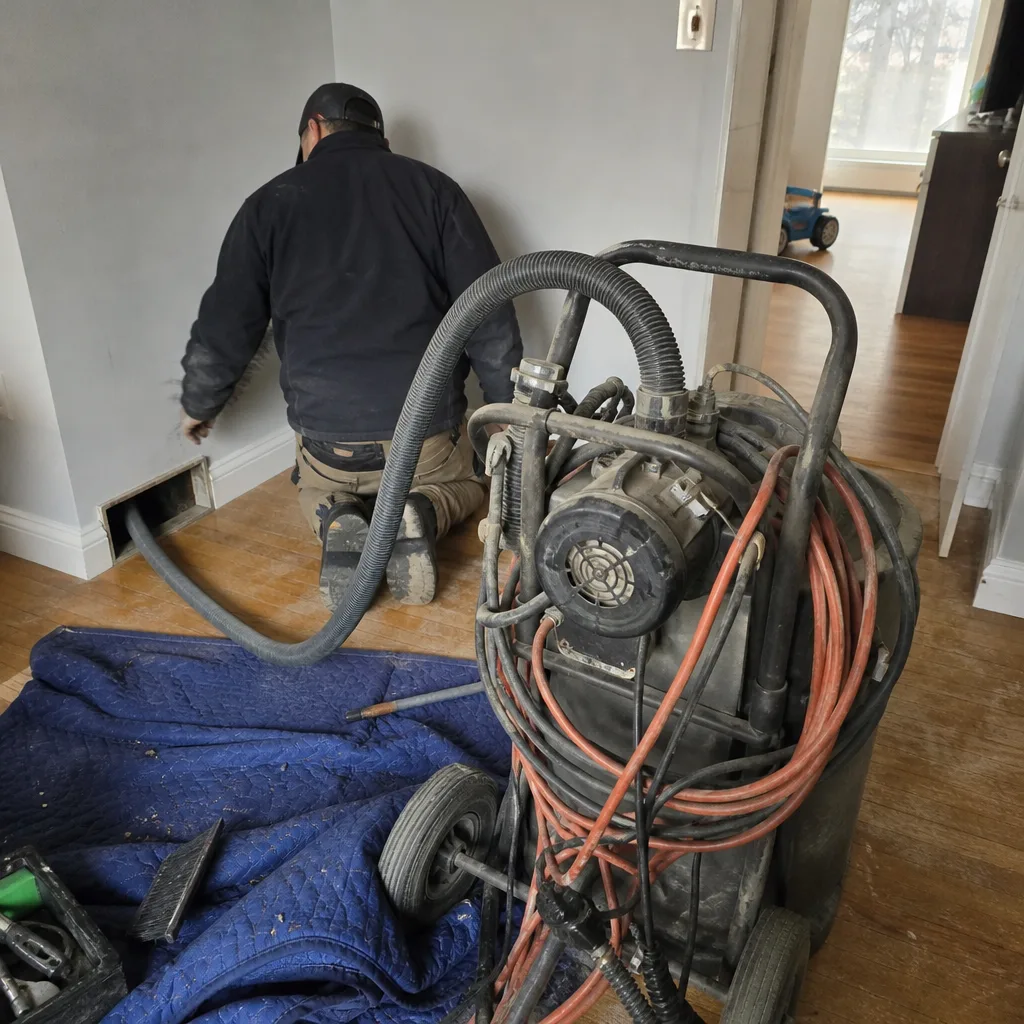 Before
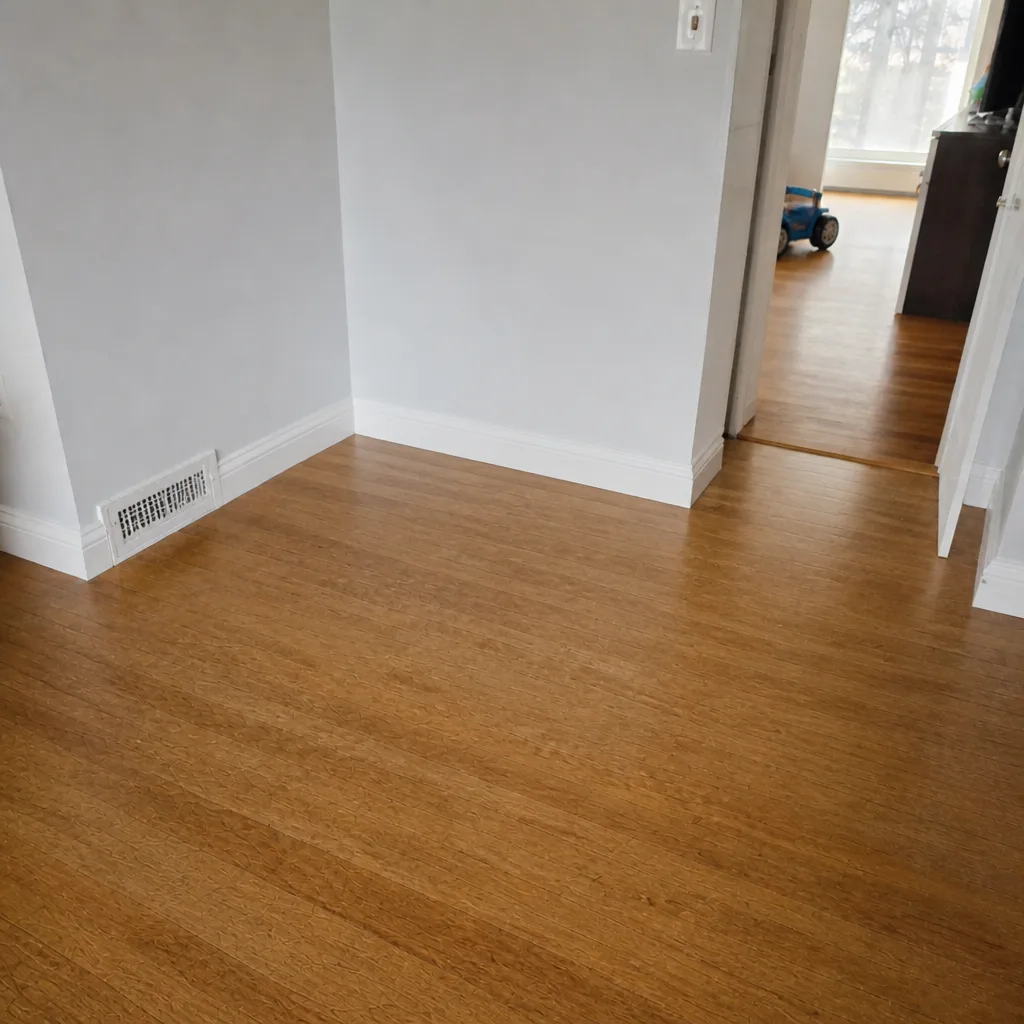 After
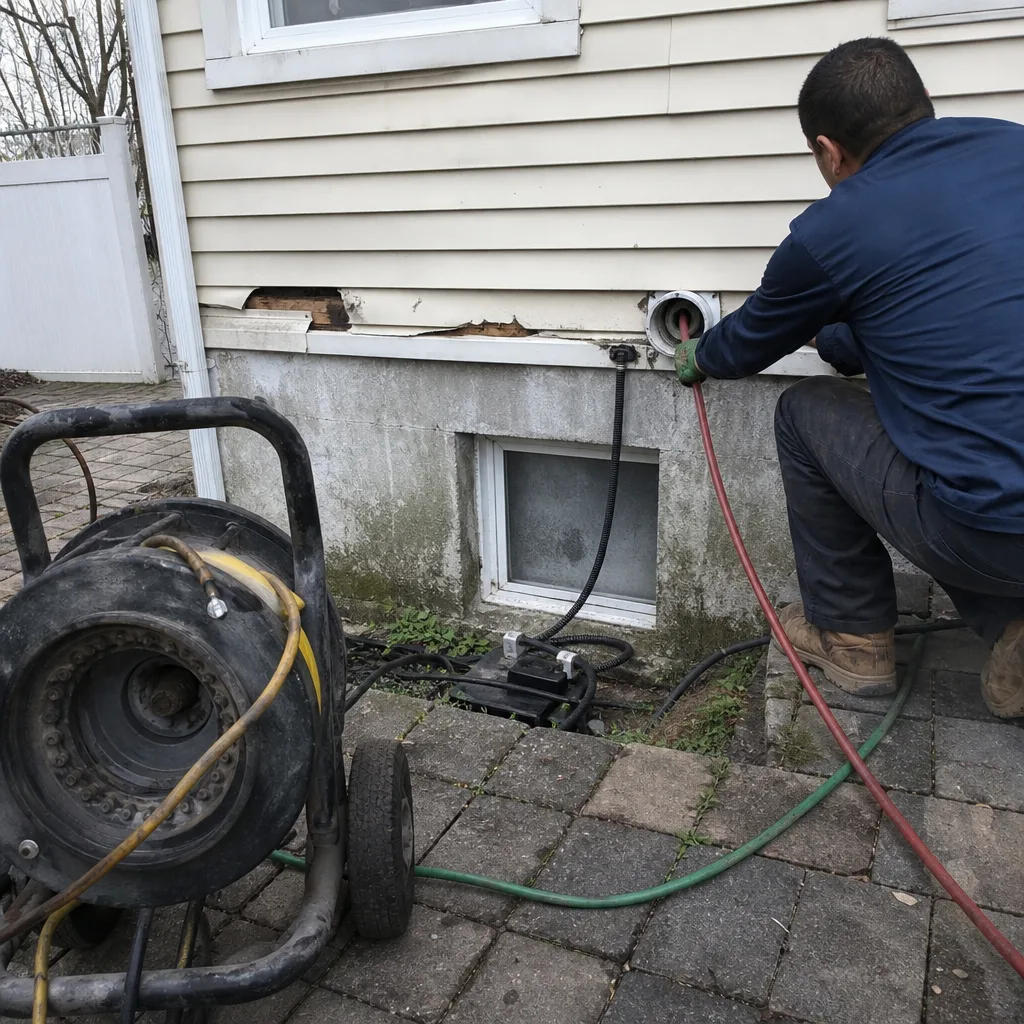 Before
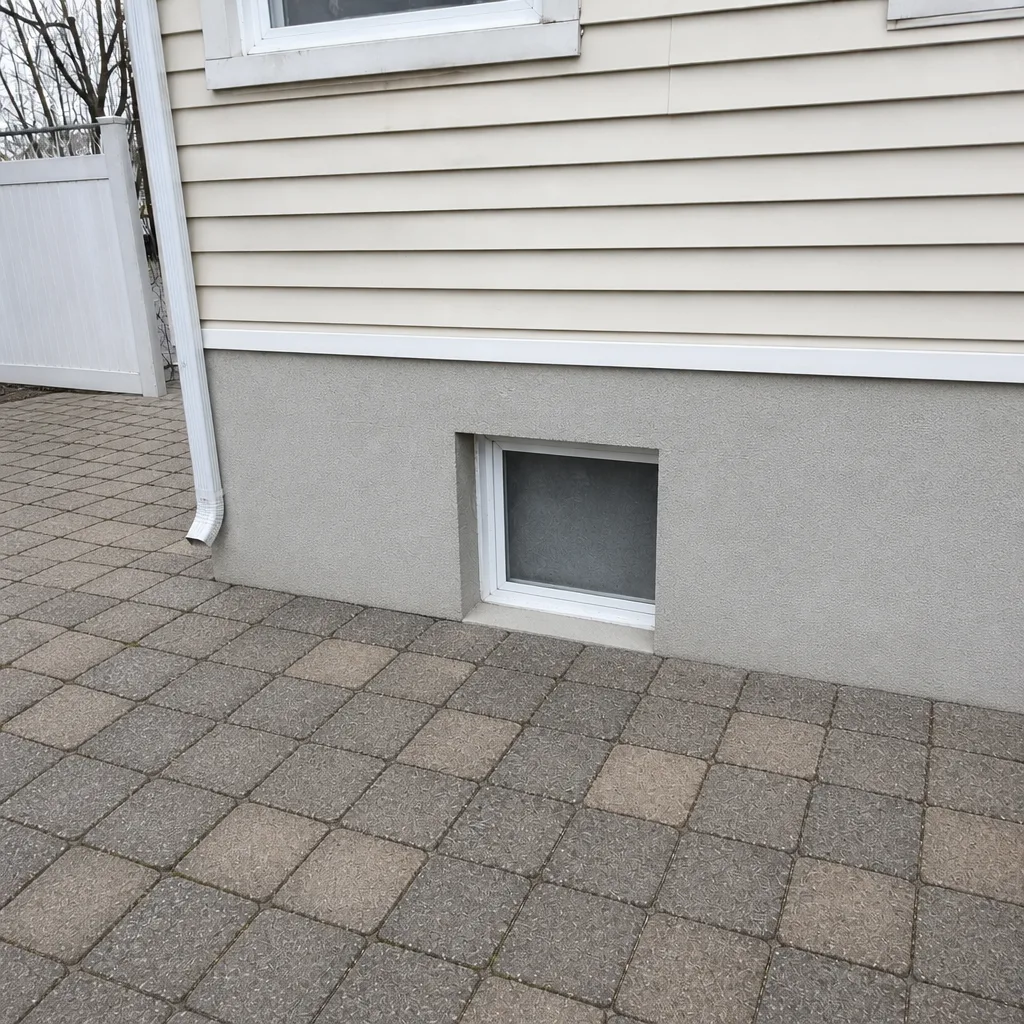 After
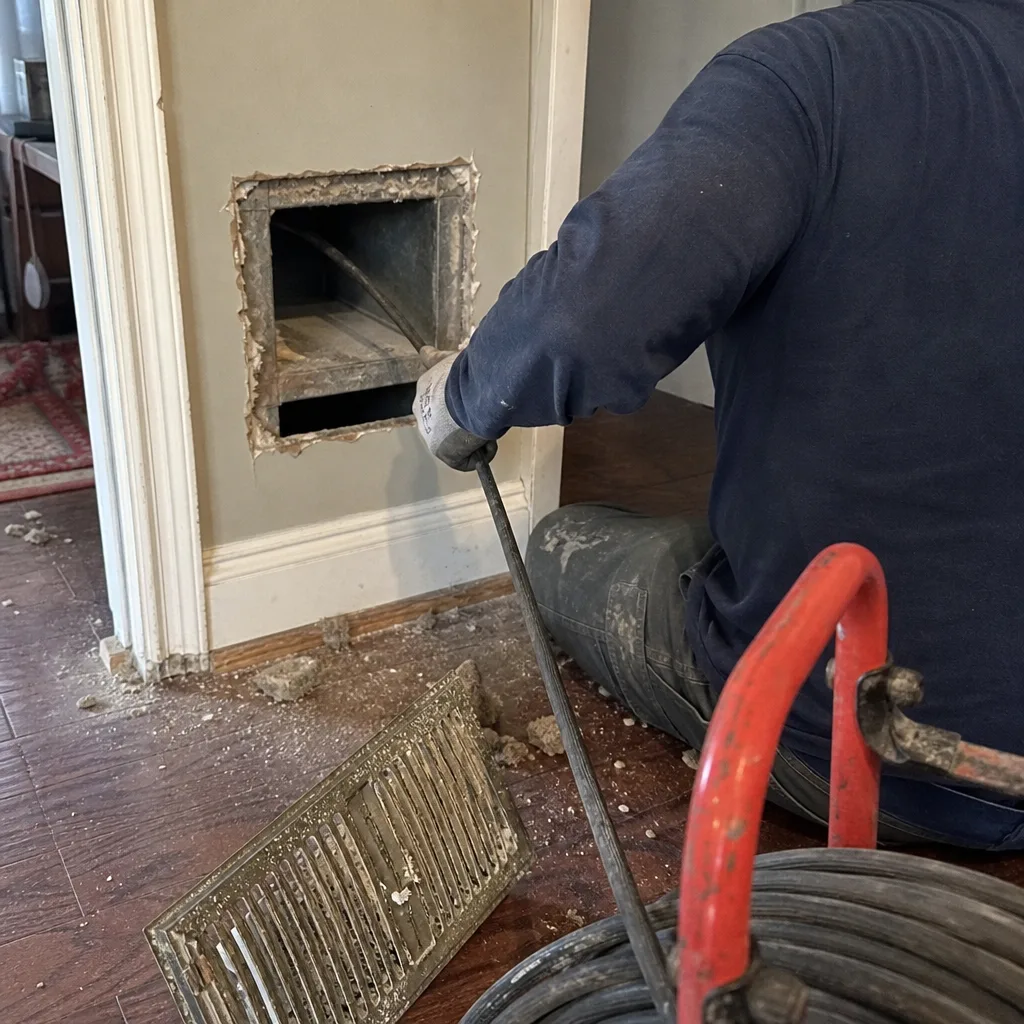 Before
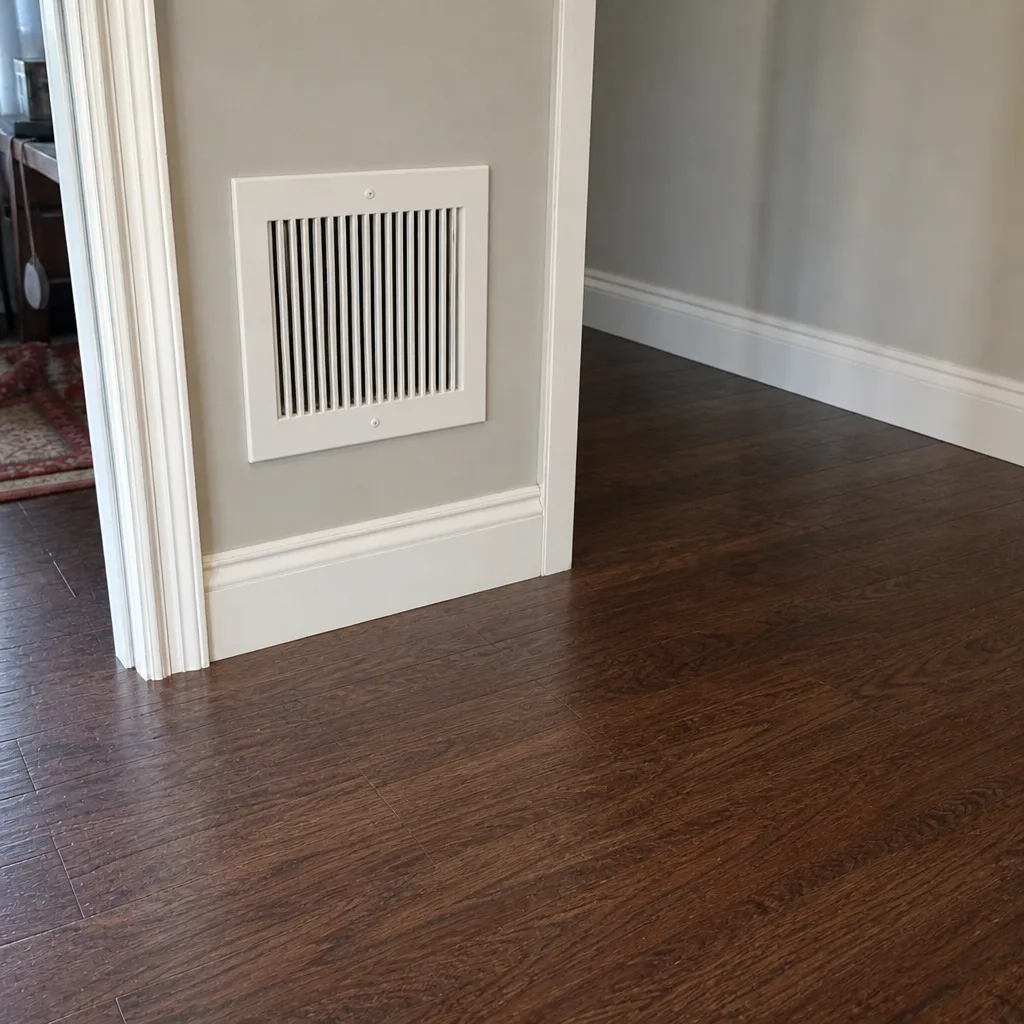 After
When to Call a Professional
Some duct problems are obvious, and some are invisible until they show up in symptoms. Call a professional if you’re seeing visible dust from the registers, if a musty smell appears whenever the system starts, if allergy symptoms are worse indoors than out, or if airflow is uneven from room to room. Renovation work in or near your unit is another trigger – construction dust settles quickly and stays. In Long Island City, where the ambient particulate load is heavy and the building stock is varied, all of that adds up faster than people expect. Air Duct Cleaning Long Island City offers free estimates in Long Island City – call (833) 918-5344. We answer 24/7. Fast dispatch from 7am to 7pm, Sunday through Friday.
Frequently Asked Questions
Air duct cleaning in Long Island City is priced per system, not per vent, and the price depends on the size of the system, the layout of the building, and whether repair, sealing or sanitizing is needed. You’ll get a written estimate before any work begins, and that estimate is the price. Call (833) 918-5344 for an exact quote – estimates are free.
Cheap quotes usually cover less work: a light vacuum pass at the registers with consumer-grade equipment that can’t hold the system under negative pressure. A full source-removal cleaning uses professional equipment like Rotobrush rotary brushes and a Nikro HEPA vacuum, includes the air handler and coil, and comes with before-and-after photos. Ask any contractor what equipment they’ll use before you book.
You should receive before-and-after photos of your ducts taken from the same position, plus a written report listing each component that was cleaned. If you didn’t get those, you have no way to verify. Ask for documentation before the contractor leaves, and don’t pay until you have it.
For most Long Island City homes, a cleaning every three to five years is a reasonable baseline. Buildings near active construction, or units with heavier particulate exposure, often benefit from a shorter interval. If you don’t know when the system was last cleaned, treat it as due. Call (833) 918-5344 for an assessment.
It can, if the ducts are actually harboring the debris that’s circulating through the air. Cleaning removes the settled material, and adding an antimicrobial sanitizing treatment or a filtration product from our air quality line can help with the remaining contaminants. It’s not a substitute for medical advice, but a clean system is the baseline.
Yes. We work with both residential and commercial customers, including condo and rental towers where we coordinate with building management. Multi-unit jobs are typically scheduled per unit or per riser after we’ve seen the layout. Call (833) 918-5344 to talk through the building and get a written estimate.
The Bottom Line
Air duct cleaning in Long Island City is a process problem before it’s a price problem. The building type determines the duct configuration, the configuration determines the equipment, and the equipment determines whether the debris actually leaves the system. Source removal, negative pressure, before-and-after documentation – all three need to be present. Add sealing and sanitizing where the assessment calls for them, and you end up with a system that stays cleaner for longer. Anything less is a vacuum pass, not a cleaning.
Ready to schedule? Call (833) 918-5344 for a free estimate. We answer 24/7. Fast dispatch from 7am to 7pm, Sunday through Friday.
Written by the team at Air Duct Cleaning Long Island City.