
Last updated November 22, 2026
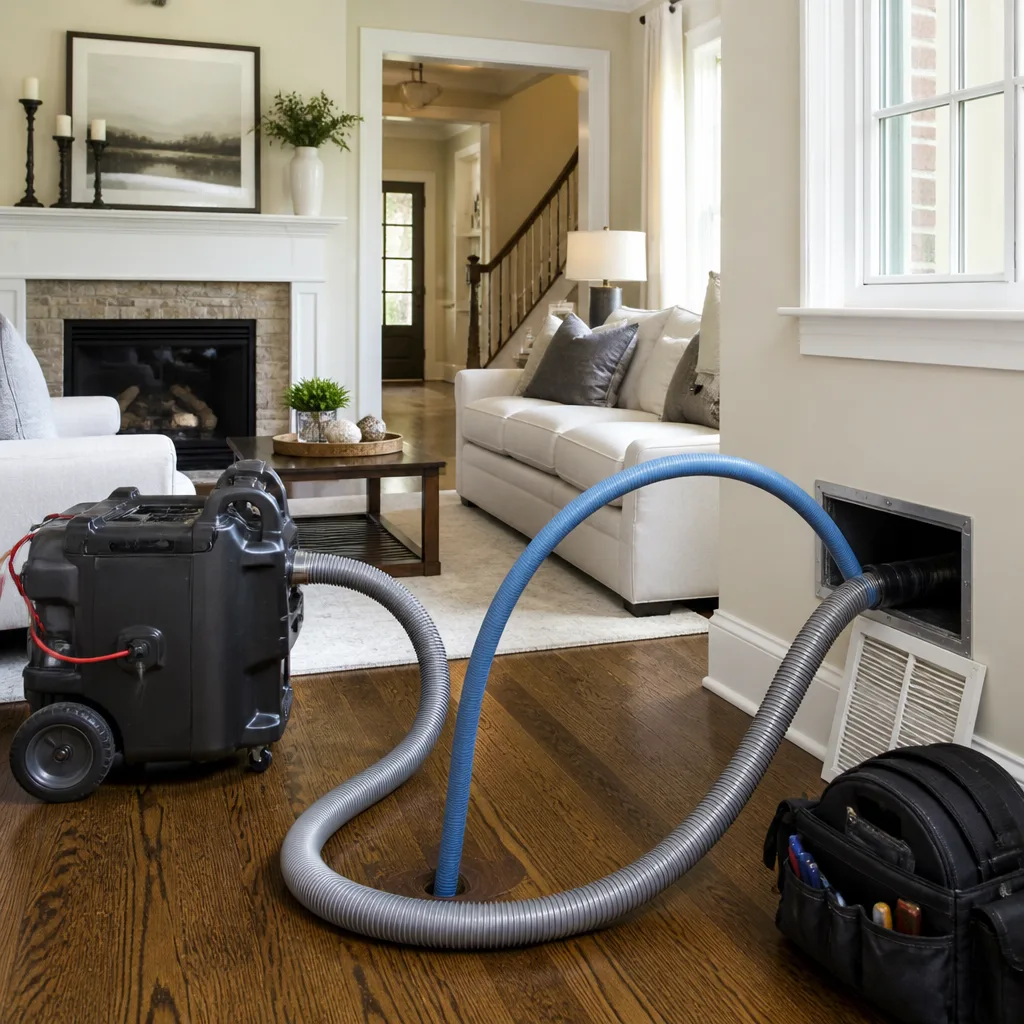 Whole-home duct cleaning
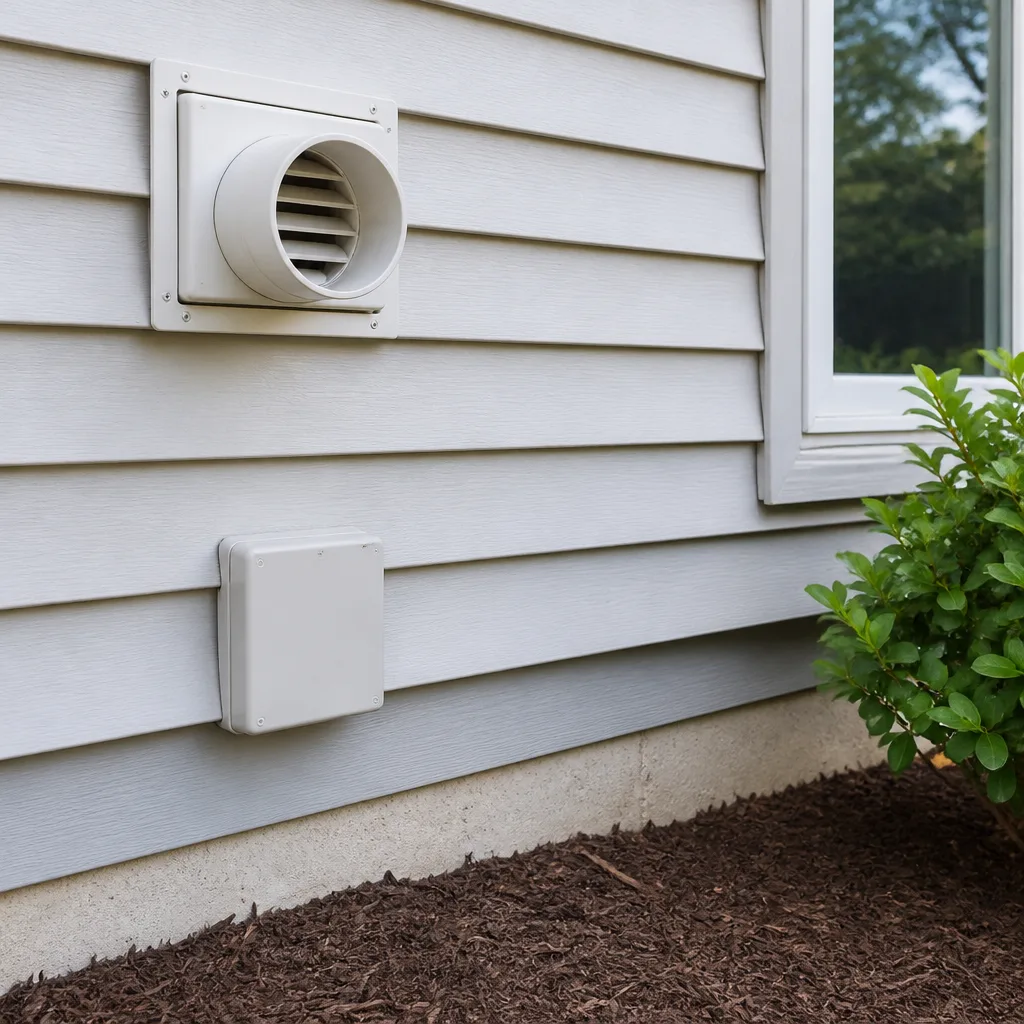 Dryer vent cleaning
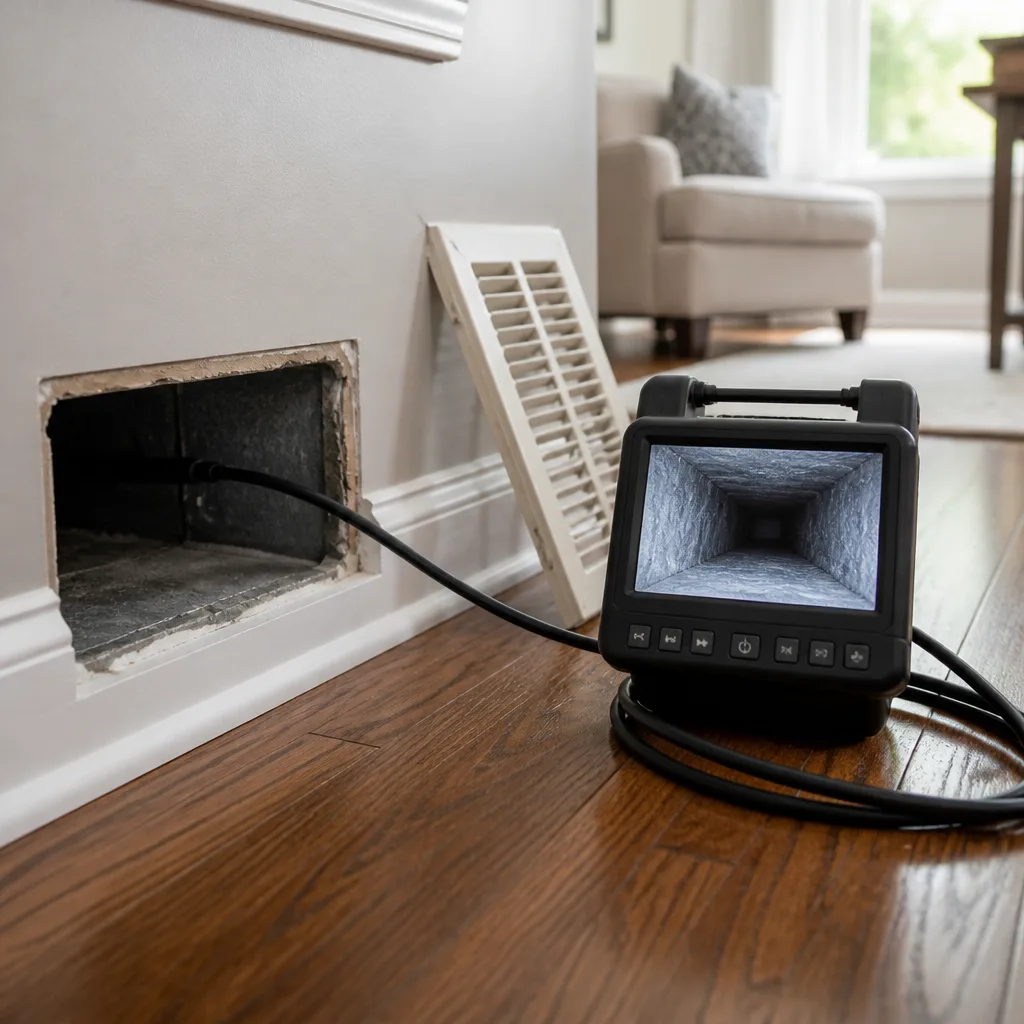 Camera inspection
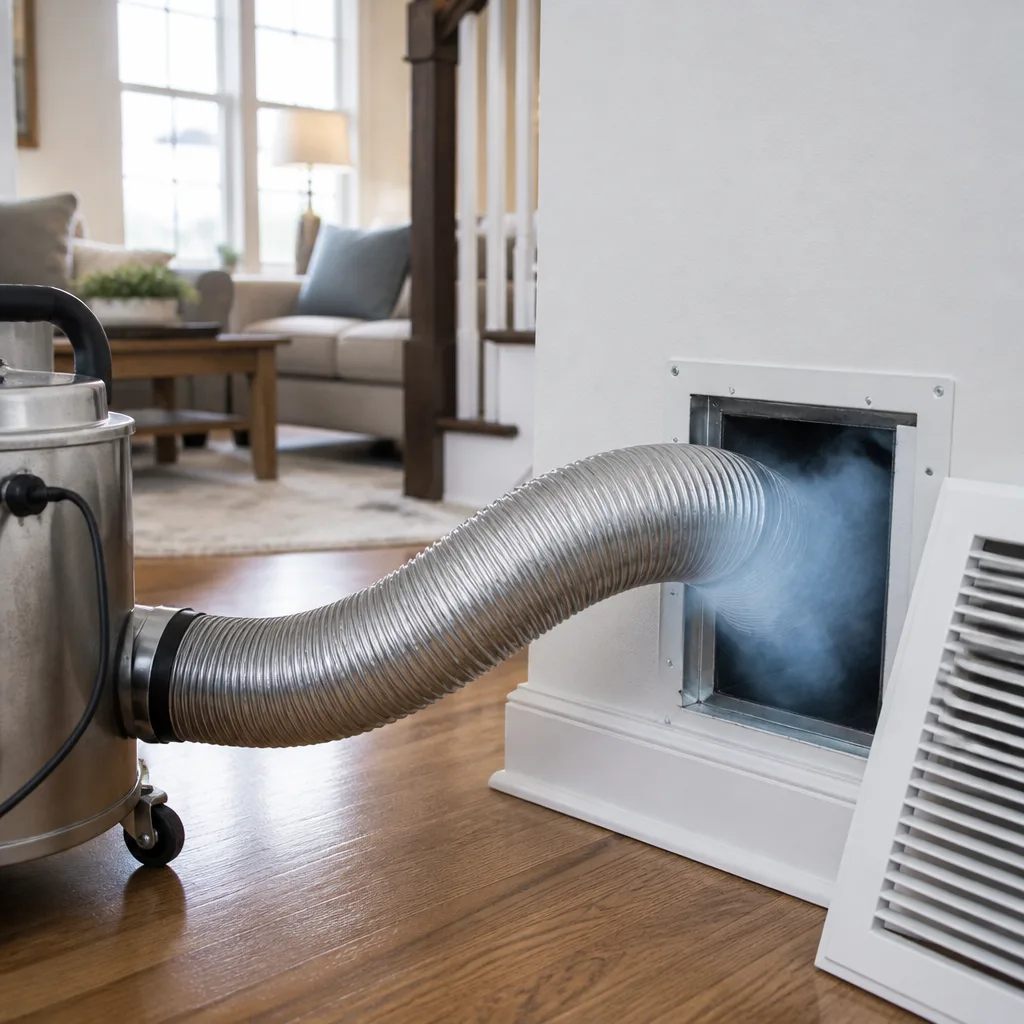 Sanitizing & deodorizing
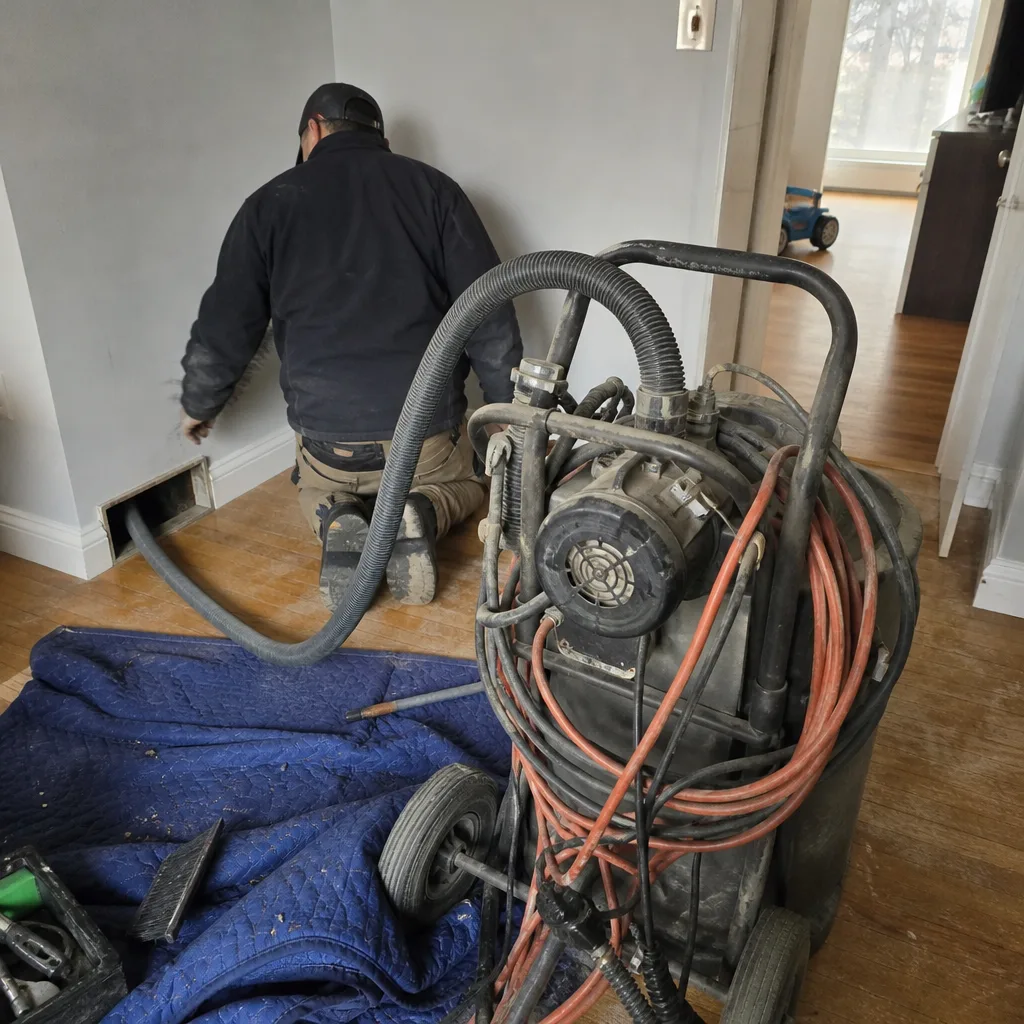
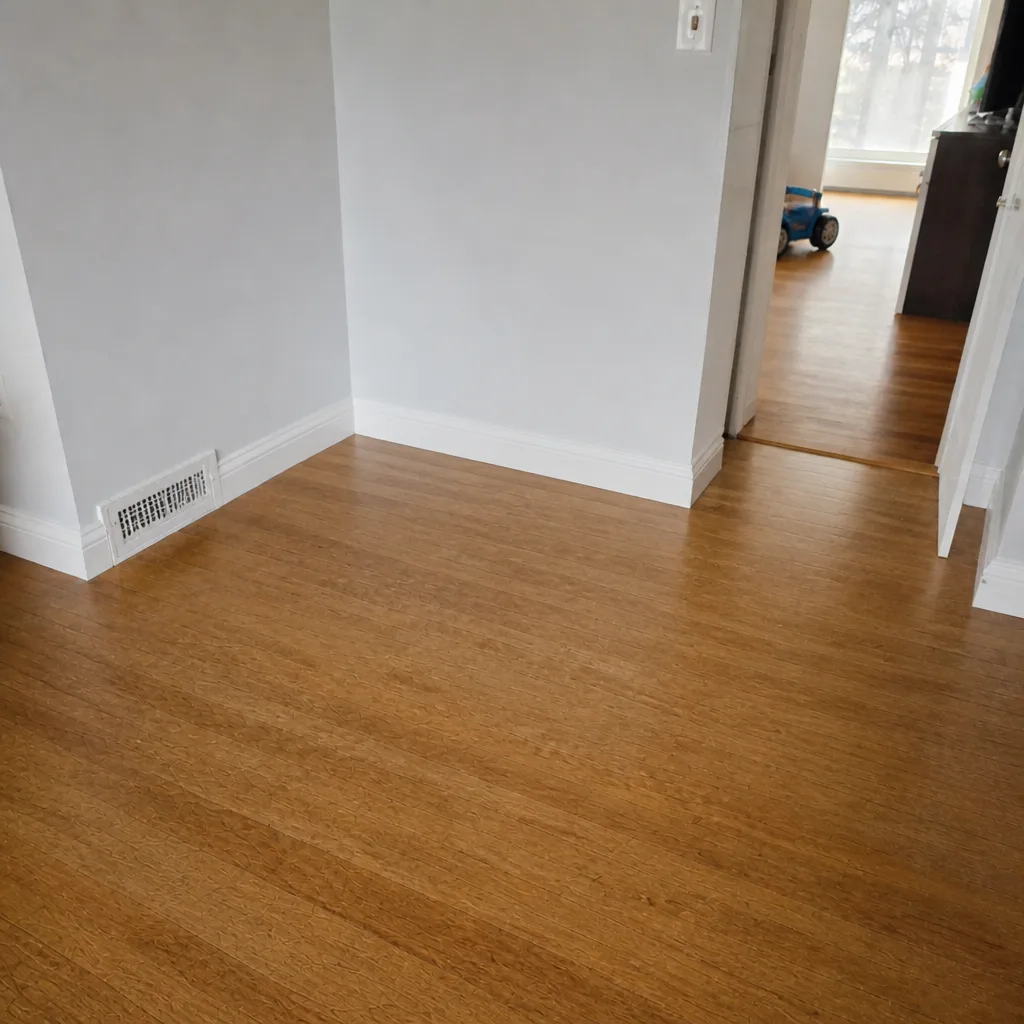
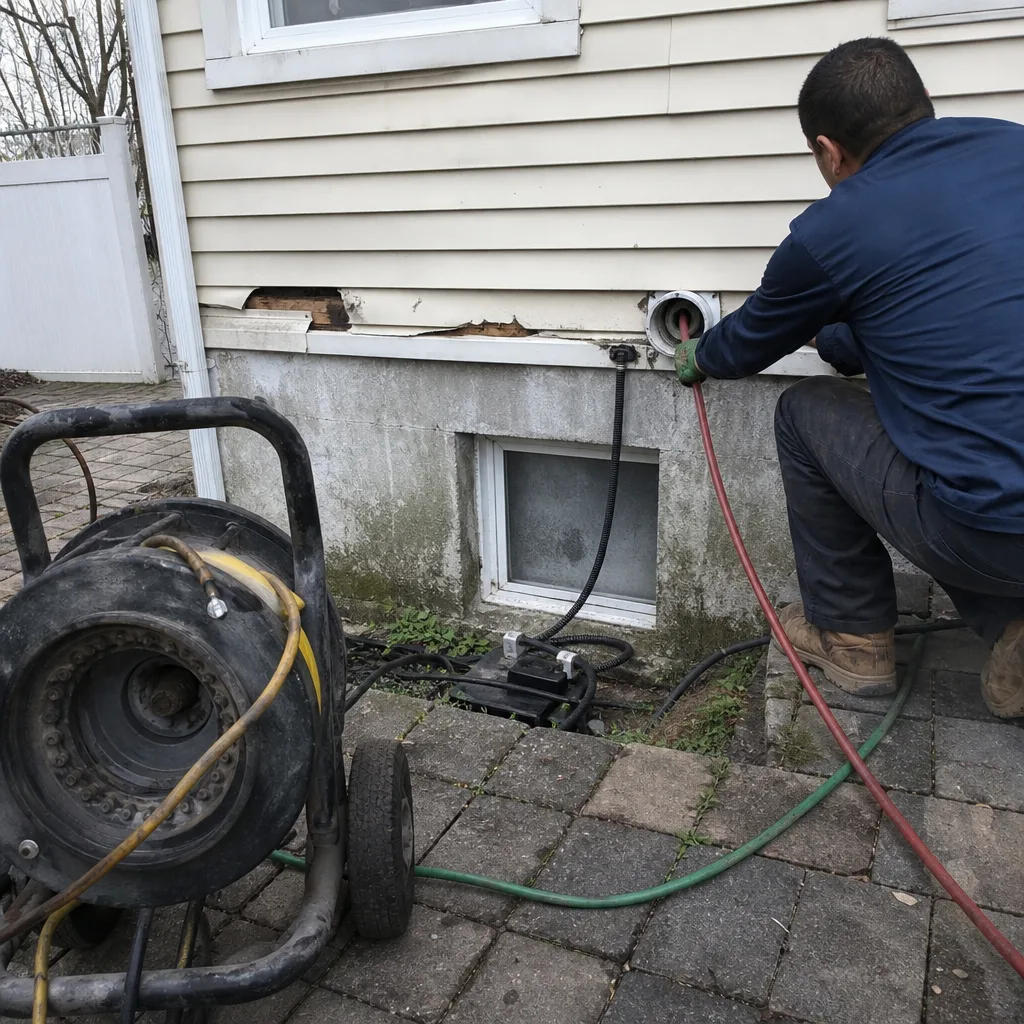
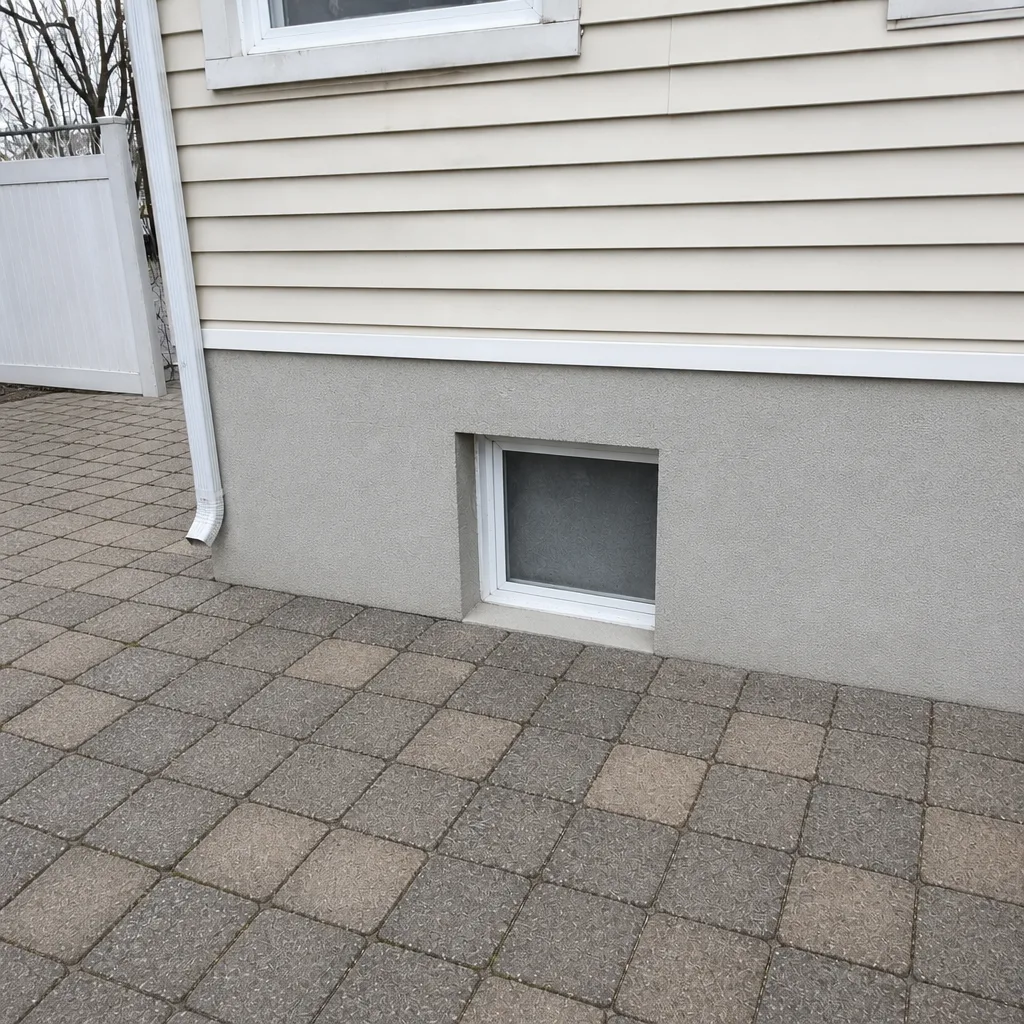
Whole-system duct and dryer vent check with before-and-after photos - you see exactly what came out of your vents
That "$99 whole-house special" is a bait ad - the real number appears once they are in your hallway, or the "clean" is a shop-vac at the register. We photograph the inside of your ducts before and after instead.
Seasonal Air Duct Cleaning Care for Long Island City: Year-Round Homeowner’s Guide
Most homeowners treat duct cleaning as one annual errand, or even a once-a-decade one. In Long Island City that approach quietly fails, because the neighborhood doesn’t deliver one season of contamination – it delivers four different ones. Spring fills systems with pollen and grit left behind by winter. Summer pushes in rooftop condensation and construction dust from the towers going up around you. Fall loads the ducts with street particulate before the heat comes on. Winter seals the building tight and concentrates everything. Treat these as a single problem and you’ll miss all four. This guide walks through what each season actually deposits in Long Island City ductwork and how to respond to it.
Styles & brands we work with
- Whole-home duct cleaning
- Dryer vent cleaning
- Camera inspection
- Sanitizing & deodorizing
Quick Answer
Seasonal air duct cleaning in Long Island City works best on a biannual rhythm – once in early spring before cooling season and once in early fall before the heating season flips on – rather than the every-three-to-five-years cadence that suits suburban homes. Each season deposits different material into ductwork: pollen and winter grit in spring, condensation and construction particulate in summer, street dust in fall, and combustion byproducts and concentrated indoor contaminants in winter. A pre-season HVAC transition check protects the ducts and stretches your cleaning intervals.
Table of Contents
- Quick Answer
- Why Long Island City’s Urban Density Changes the Cleaning Math
- Spring: Pollen Peaks and Post-Winter Debris
- Summer: Rooftop Condensation and Construction Particulate
- Fall: Street Dust Before Heat Season
- Winter: Tight Buildings and Concentrated Contaminants
- Pre-Season HVAC Transition Tasks That Protect Your Ducts
- When a Seasonal Event Warrants an Unscheduled Professional Visit
- The Case for Biannual Cleaning in Long Island City
- What Abatement Technologies Equipment Does During Post-Remediation Clearance
- Common Mistakes to Avoid
- When to Call a Professional
- Frequently Asked Questions
- The Bottom Line
Why Long Island City’s Urban Density Changes the Cleaning Math
A house on a half-acre lot draws its intake air from open sky and lawn. A Long Island City apartment or townhome draws it from a courtyard, a setback, a rooftop well, or a street-facing grille. That single difference dictates everything that follows about how often your system needs professional attention.
Start with what surrounds the intake. The building boom that has reshaped the western reaches of Long Island City near Hunters Point and Court Square since the rezoning keeps a steady supply of demolition dust, concrete cutting grit, and fiberglass particulate suspended in the local air. That material doesn’t stay in the street; it rides into mechanical intakes and settles into the return-air side of your system. Add to that the trucks, the idling cars, the exhaust from dense ground-floor retail, and you have an air quality load that has no suburban equivalent.
Then consider the buildings themselves. Many Long Island City homes and multi-family buildings are tightly constructed with mechanical ventilation rather than leaky envelopes that passively exchange air. Tight buildings filter the outside air less passively; they rely on the HVAC system to do it. And when that system’s ducts hold settled debris, the filter has already lost the battle.
- Building density: Intakes located in courtyards or rooftop wells collect everything the surrounding buildings shed.
- Construction cycles: Renovation and new-build activity around Long Island City releases particulate that a residential system happily takes in.
- Shared building systems: Multi-unit buildings share exhaust paths and horizontal returns, so one unit’s contamination can migrate.
- Street-level inputs: Ground-floor units and street-facing townhomes pull in road grit, brake dust, and exhaust.
That’s not a scare story. It’s a factual statement about the airborne load in a dense neighborhood, and it’s the reason a fixed annual cleaning schedule doesn’t fit Long Island City the way it fits the suburbs.
Spring: Pollen Peaks and Post-Winter Debris
Spring is the season Long Island City’s ductwork gets a double load. On one side, the trees and plantings of the neighborhood release pollen over a compressed window; on the other, the debris that built up over winter – dust from dry forced-air heating, shed skin cells, pet hair – has settled into your return runs and is about to be stirred by the first stretch of cooling operation.
Here’s the part most homeowners don’t see: every spring, the outside air intake carries pollen into the return side before the filter catches it. The filter isn’t at the intake grille; it’s further in, at the air handler. That means the return ducts themselves collect pollen on their interior walls. Over successive springs, that pollen layer binds with dust and becomes a food source for microbial growth, which is why an unused spring-cleaned system can smell slightly musty by the following June.
Spring is also the ideal time to schedule a full Air Duct Cleaning Long Island City service before cooling demand climbs. Cleaning now means the pollen layer and the winter residue leave the system together, and the cooling season starts with a clean airway.
What Spring Deposits
- Tree and plant pollen pulled into the return air during peak release.
- Shed winter skin cells and dust mites accumulated in the return runs from heating season.
- Pet dander carried through the return by the dry forced-air heating pattern.
- Road grit drawn in by ground-floor and street-facing units as the windows open more often.
Spring Pre-Season Checklist
- Replace the return filter before the first cooling operation and mark the install date.
- Book professional air duct cleaning once you notice a mild musty scent or visible dust at the supply registers.
- Have the evaporator coil inspected in the same visit; coil and duct cleaning pair naturally.
- Verify that the return grilles are unobstructed by furniture or new spring cleaning arrangements.
- Confirm the outdoor unit is clear of winter debris and is level and unobstructed.
Summer: Rooftop Condensation and Construction Particulate
Summer is the busy season in Long Island City, and not only because of tourism. Cooling season runs your system hard, and in a dense multi-family building that often means long runtimes and higher moisture. Rooftop HVAC units and central air handlers in the neighborhood operate in high outdoor humidity, and poorly sealed duct runs in unconditioned spaces – a common condition in older Long Island City buildings – can condense moisture and feed microbial growth inside the ductwork.
That’s the risk most cleaning companies don’t mention. Summer condensation in ductwork isn’t a dramatic flood; it’s a slow, steady wicking into porous insulation liners and seam joints. It shows up later, as the musty smell you notice the first day you close the windows in fall – at which point the growth has already been active for weeks.
The second summer load is construction particulate. Long Island City’s ongoing residential and commercial development around Long Island City’s waterfront and Court Square produces fine dust that drifts into open windows and intake louvers. That dust is often fine enough to pass a standard filter, and it settles onto the return-air runs where it silently reduces airflow before cooling season peaks.
What to Check in Summer
- Humidity near the air handler. Condensation on the casing or visible moisture on duct seams means professional inspection is due.
- Airflow balance. Cool bedrooms that worked last August but struggle this year point to ductwork restriction from settled particulate.
- Filter rule-of-thumb. In heavy construction seasons, replace high-efficiency filters more frequently than the standard interval.
- Rooftop and mechanical-room duct insulation. Loose or degraded insulation in unconditioned space is a condensation risk.
If a construction or renovation project is happening in your building or next door, run a professional HVAC cleaning visit mid-summer rather than waiting for fall. The work clears the accumulated construction particulate before it’s pushed into the cooling system under heavy load. A full HVAC cleaning covers the coil, drain pan, blower, and ductwork in a single coordinated visit.
Fall: Street Dust Before Heat Season
Fall in Long Island City is the window between cooling shutdown and heating startup, and it’s when the dry, warm days of early autumn are ideal for professional duct cleaning. The system sits idle for weeks, giving technicians the flexibility to run full mechanical agitation through every branch run and vacuum the loose debris out without fighting the air handler.
The load that accumulates by fall is urban street dust. Think about what’s actually in the air around Long Island City in September and October: tire and brake particulate, leaf decomposition, the dust from summer construction not yet settled, and grime lifting off building facades during wind events. All of it rides in with air intakes. During heating season, it’s precisely the material that dries out under forced air and turns into the visible dust you find at every heat register the first cold morning.
Cleaning the ducts before the furnace comes on interrupts that cycle before it begins. If you wait until the first cold snap, you’re blowing the accumulated summer and fall debris through every room of your home at 3x the airflow.
Fall Pre-Season Checklist
- Schedule duct cleaning in the first half of the fall window, before heat operation begins.
- Change the furnace filter before the first heating startup.
- Have the heat exchanger inspected if you run gas heat; combustion byproducts are a winter concern covered below.
- Seal loose ducts and gaps at register boots before heated air starts moving through them.
- Test every heating zone to confirm even airflow before the cold arrives.
If you notice gaps around supply boots, obvious drafty ducts in unconditioned spaces, or tear-away joints on flex duct, address them in fall. A duct repair and sealing visit now protects the cleaning you did and prevents new leaks from undoing the work.
Winter: Tight Buildings and Concentrated Contaminants
Winter is the season that changes the chemistry of the air inside a Long Island City home. Windows shut, doors stay closed, and buildings go into full mechanical mode. That means the air you breathe is mostly recycled through your HVAC system rather than exchanged with outside. Any material sitting in the ducts is now what the household is breathing on repeat.
Two winter-specific deposits matter in particular.
Combustion Byproducts
If your heating system runs on natural gas or fuel oil, incomplete combustion can release trace combustion byproducts into the supply air, especially if the heat exchanger has developed a leak, if the flue isn’t drafting properly, or if the return air is pulling nearby combustion gases back into the air handler. Duct cleaning alone won’t resolve combustion issues – that’s a combustion safety inspection – but a clean system removes the deposits that can mask a real problem and lets technicians inspect thoroughly.
Concentrated Indoor Contaminants
The same sealed envelope that keeps heat in keeps contaminants in. Dust mite allergens, pet dander, cooking particulate, and offgassing from furnishings all build up in a tight winter building, and the ductwork acts as a reservoir. When heating airflow starts running continuously, that reservoir empties into the living space. Households in Long Island City with allergy sufferers often notice this as a persistent cough or congestion that improves in summer and returns every November.
What to Check in Winter
- Combustion safety: Confirm the furnace heat exchanger and flue in the first cold week.
- Humidity control: Dry forced-air heat can drop indoor humidity low enough to irritate airways further; a humidifier on the system helps.
- Air sanitizing: For homes that can’t reduce occupancy, a professional air quality and sanitizing service reduces microbial load inside the ducts and the air handling path.
- Duct sealing: Sealed ducts keep conditioned air in the living space rather than in attics and mechanical rooms.
Winter cleaning is less typical but valuable for homes that got behind in fall. A professional visit in December or January can still help, provided it’s coordinated around heat operation so the system isn’t feeding new debris into freshly cleaned ducts.
Pre-Season HVAC Transition Tasks That Protect Your Ducts
The transition windows – spring startup and fall heat-season prep – are when a little work goes a long way. These tasks don’t replace professional duct cleaning, but they stretch the interval between cleanings and catch the issues that turn into expensive repairs.
First, understand what “transition” means technically. Every HVAC system passes through a switch from heating to cooling and back. Each switch changes airflow volume, coil operation, and sometimes vibration patterns that affect how much debris gets disturbed. Preparing for that switch is the whole point.
Spring Cooling Startup Tasks
- Replace or clean the air filter before first operation; a dirty filter starves the coil.
- Inspect the evaporator coil for visible dust buildup and arrange coil cleaning if needed.
- Check the condensate drain pan and line for blockages from winter debris.
- Confirm the outdoor unit is unobstructed and free of seed pods, leaves, or construction dust.
- Run the system for a short cycle and check every register for even airflow.
Fall Heating Prep Tasks
- Replace the filter ahead of the first heating operation.
- Confirm the heat exchanger and flue are inspected by a qualified technician if you run gas heat.
- Inspect accessible duct seams and register boots for gaps and tears; schedule sealing if found.
- Clear the return grilles of any furniture or rugs moved during the summer.
- Run the heat for a short cycle and note any odor or dust puffing from the registers at startup.
The odor and dust at first heat startup is coarse evidence of accumulated fall debris. It’s normal to a degree; it’s not normal if it persists past the first few cycles. Persistent startup dust is a strong signal that the ducts need professional attention.
When a Seasonal Event Warrants an Unscheduled Professional Visit
Sometimes the seasonal calendar gets overtaken by an event. A renovation, a burst pipe, a construction project next door, or a flood in the building changes the schedule. Here’s a practical decision framework.
Call for an Unscheduled Inspection If:
- Renovation next door or in your own unit: Drywall dust, fiberglass, and sawdust can carry deep into the return system. Professional inspection catches what a DIY filter change misses.
- Water intrusion or flooding: Any water that entered the ductwork starts a microbial clock ticking within 24-48 hours. A professional visit is urgent.
- Visible mold at any register or on the air handler: Stop and call a professional; don’t run the system while you investigate.
- Persistent musty odor: Odor is the system telling you something; it warrants a full inspection and, where appropriate, sanitizing.
- A known animal intrusion: Raccoons, squirrels, and birds sometimes enter ductwork through roof or wall penetrations; a professional visit should follow removal.
- A failed filter that collapsed or bypassed: Unfiltered air has been running through the system.
When you call, describe the event, when it happened, and what you’re observing. That’s the difference between a same-day inspection that finds the issue and a generic cleaning visit that misses it. Professional duct inspection is on the schedule for exactly this reason. Call us before a short-term event becomes a long-term seasonal problem.
The Case for Biannual Cleaning in Long Island City
The industry default is every three to five years for a residential duct cleaning, and for a suburban home with a simple system and low outside airborne load, that’s a defensible interval. In Long Island City, the calculation changes. The airborne load is heavier, the buildings are flatter and share more system paths, and the seasonal load is four-fold rather than twofold. Here’s how that math works out.
Take a typical Long Island City home with forced-air heat and cooling. Over a year, the return ducts pull in roughly the environmental load of a modest suburban home plus the added urban particulate from streets, construction, and neighbors. Realistically, that’s roughly double the settled particulate by volume. Cleaning every three to five years leaves a two-year deposit in a duct system that could reasonably consider one year its natural reset. A biannual schedule – spring and fall – keeps the system in a nearer-clean state year round.
What Biannual Cleaning Does for You
- Replaces annual guesswork with two defined resets per year.
- Matches the seasons – each cleaning happens before the load peaks rather than after.
- Reduces indoor airborne particulate through both the sealed and open-window seasons.
- Lengthens HVAC equipment life by keeping airflow up and coil strain down.
- Catches small issues (loose ducts, moisture, filter bypass) before they grow.
Biannual cleaning is not always necessary. A Long Island City brownstone with a well-filtered system and few occupants can often go longer. A multi-unit apartment building or a townhome near active construction should consider it the standard. The right answer is specific to the building, and any air duct cleaning visit should begin with an honest assessment of that building’s actual load rather than a sales pitch.
A Simple Schedule to Follow
- Early spring (March-April): full duct cleaning + coil inspection + filter change.
- Late summer (August): quick in-line inspection if construction nearby; full HVAC cleaning if needed.
- Early fall (September-October): full duct cleaning + duct sealing check + pre-heat filter change.
- Mid-winter (January): air quality and sanitizing if odor or allergy flare-ups recur.
For buildings where cooling and heating share the same ductwork, this schedule maps neatly onto the pre-season transition tasks. The cleaning happens when the system is idle, and the pre-season checks happen right before the demand rises.
What Abatement Technologies Equipment Does During Post-Remediation Clearance
When a duct system has had a known contamination event – mold, a water loss, or a renovation that introduced particulate – standard duct cleaning alone isn’t the full answer. The missing step is clearance testing, and the equipment that makes it meaningful is negative-pressure containment and HEPA-level capture. Abatement Technologies equipment is what professional contractors use for this work.
Here’s how the process actually runs.
- Contain the work area. Negative pressure is established in the duct system before any disturbance, so nothing escapes into the living space during the cleaning process.
- Agitate and evacuate in coordination. Rotobrush rotary-brush cleaning breaks debris loose from duct walls, and the Abatement Technologies HEPA vacuum captures it under containment.
- Sanitize and treat as appropriate. Antimicrobial treatment and sanitizing are applied to duct surfaces and the air handling path where contamination was identified.
- Clearance verify. Air is sampled or visually verified under continued containment to confirm the contamination has actually left the system, not just moved.
- Document the result. Photographs and a written summary of the before-and-after condition give the homeowner a record of what changed.
Post-remediation clearance is where standard duct cleaners differ from a professional indoor air quality contractor. A generic duct-cleaning service that runs a vacuum through the branches and calls it done has no way to prove the disturbance is resolved. Clearance testing does. When a Long Island City homeowner is dealing with a water loss or a mold smell, that clearance step matters more than the cleaning itself.
After a duct repair and sealing job, or after a sanitizing service, a post-cleaning verification with Abatement Technologies HEPA and negative-pressure equipment confirms that the system is genuinely clean before you put the family back in the living room. Ask for that verification in writing.
Common Mistakes to Avoid
- Treating duct cleaning as a once-a-year errand. In Long Island City’s dense environment, an annual cleaning misses one of the two annual resets that actually matter. Schedule both spring and fall.
- Ignoring the fall heating transition. Starting heat season on top of summer and fall debris blows every deposited particle through the living space at full volume. Clean before the furnace comes on.
- Skipping the cooling-season condensation check. Rooftop and mechanical-room duct condensation is slow and quiet. Check the air handler area mid-summer, especially after humid weeks.
- Assuming a filter change replaces duct cleaning. Filters catch what reaches them; the return ducts collect what doesn’t. Both matter, and neither replaces the other.
- Running the system with visible moisture or musty odor. Moisture inside the ductwork is a starting gun for microbial growth. Call for inspection before running the air.
- Accepting a “one price fits all” quote over the phone. Two units in the same Long Island City building can have very different system loads. A real assessment starts on site.
- Overlooking the dryer vent when the ducts are cleaned. Dryer vent cleaning is a separate, critical fire-prevention step and should never be assumed to be part of a duct cleaning visit.
When to Call a Professional
Call a professional when you’ve noticed a musty odor at the registers, uneven airflow you can’t explain, a visible dust film on the supplies within days of cleaning, or allergy symptoms that flare when the system runs. Call immediately after any water intrusion, visible mold at a register, or an animal intrusion in the ducts. Call if a renovation is underway in your building or in your own unit and dust is drifting into the return system. Call if you can’t remember the last time the ducts were serviced and you’ve been in the home through at least two heating seasons.
Air Duct Cleaning Long Island City offers free estimates in Long Island City – call (833) 918-5344. We answer 24/7. Fast dispatch from 7am to 7pm, Sunday through Friday.
Frequently Asked Questions
Twice a year for most homes in Long Island City – once in early spring before cooling season and once in early fall before the heating season – considering the neighborhood’s dense airborne load and shared building systems. Homes with light occupancy, good filtration, and no nearby construction can often extend to an annual visit. The right interval should be based on your actual system load, not a fixed industry default.
Yes, because each season deposits different material. Spring brings pollen and post-winter debris; summer brings rooftop condensation risk and construction particulate; fall loads the system with street dust before heating; winter concentrates combustion byproducts and indoor contaminants in a sealed building. Two cleanings per year, timed to the pre-season windows, address each load before it peaks.
Yes, especially if a project involved demolition, concrete cutting, or extensive drywall. Construction dust is fine enough to pass typical filters and settles into the return-air runs, where it can restrict airflow and pull into the supply air. A professional inspection after the project confirms whether cleaning is warranted. If you see a persistent dust film or notice airflow changes, call (833) 918-5344 for a free estimate.
Abatement Technologies negative-pressure and HEPA equipment establishes containment before cleaning and allows post-remediation clearance verification after. That means the contamination is captured under controlled airflow and confirmed to have left the system, not just loosened and pushed around. Standard duct cleaning with consumer equipment doesn’t include this capability. Also on the equipment side, Rotobrush rotary-brush systems handle mechanical agitation of duct walls, and Nikro HEPA vacuum systems provide the negative-pressure capture.
You can, but the spring load (pollen, post-winter residue) sits in the system through the entire cooling season and becomes food for microbial growth. Fall cleaning alone leaves that spring layer in place all summer. Two visits per year – each timed before a seasonal load peaks – is the practical result.
Dryer vent cleaning is a separate service with its own fire-prevention case and should be scheduled independently of the duct cleaning cycle – typically once a year for most households. HVAC cleaning covers the coil, blower, drain pan, and ductwork together, and fits naturally into the spring or fall window when the system is idle. Both belong on your annual calendar alongside duct cleaning. For a coordinated visit, call (833) 918-5344 for a free estimate.
The Bottom Line
Long Island City’s dense environment turns duct cleaning into a seasonal problem with four distinct loads, not a one-off errand. Spring brings pollen and post-winter debris; summer adds rooftop condensation risk and construction particulate; fall loads the system with street dust before heat season; winter seals the building and concentrates every contaminant indoors. Cleaning biannually – early spring and early fall – matches the load to the work. The pre-season transition tasks stretch your interval, professional equipment like Rotobrush and Nikro handles the cleaning, and Abatement Technologies equipment provides the containment and clearance that standard duct cleaners skip. Cleaner air starts inside your ducts, and the calendar is the tool that keeps them clean.
Written by the team at Air Duct Cleaning Long Island City.
See the difference
 Before
 After
 Before
 After
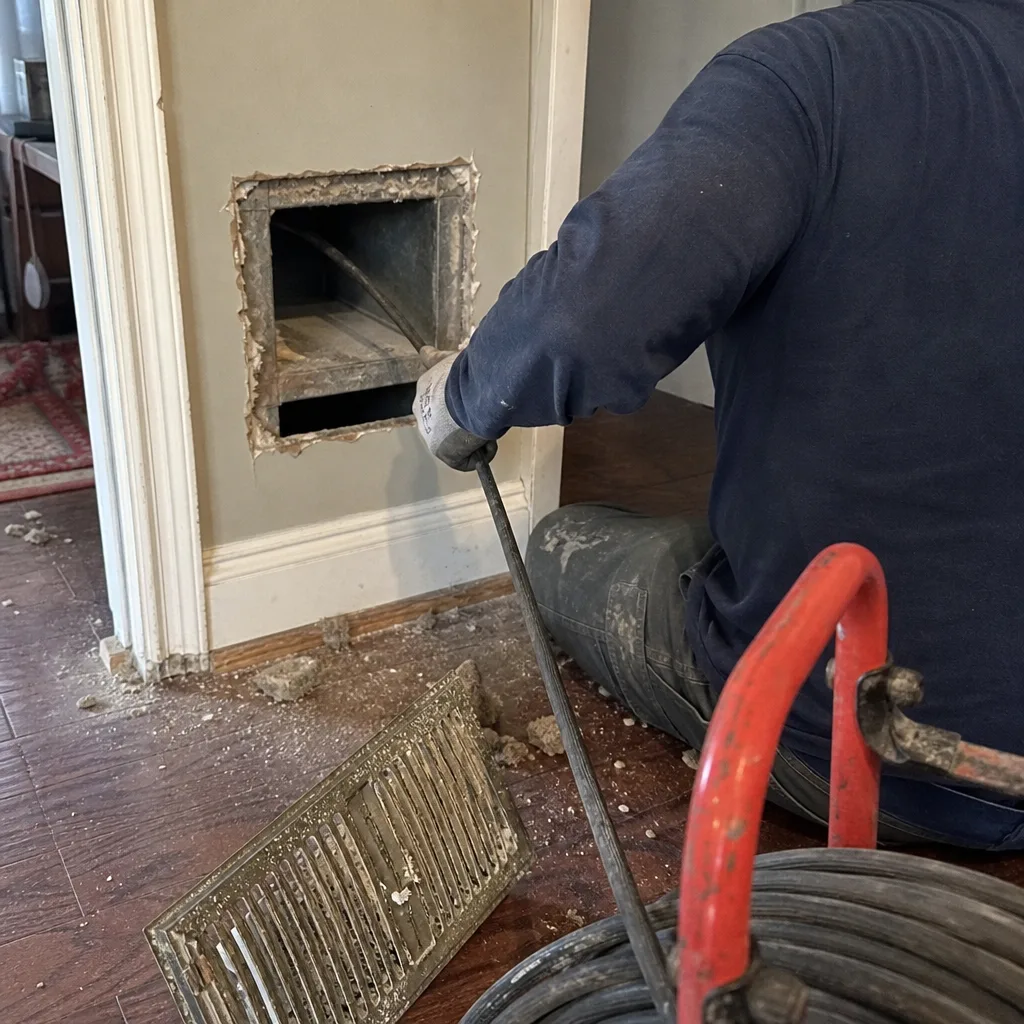 Before
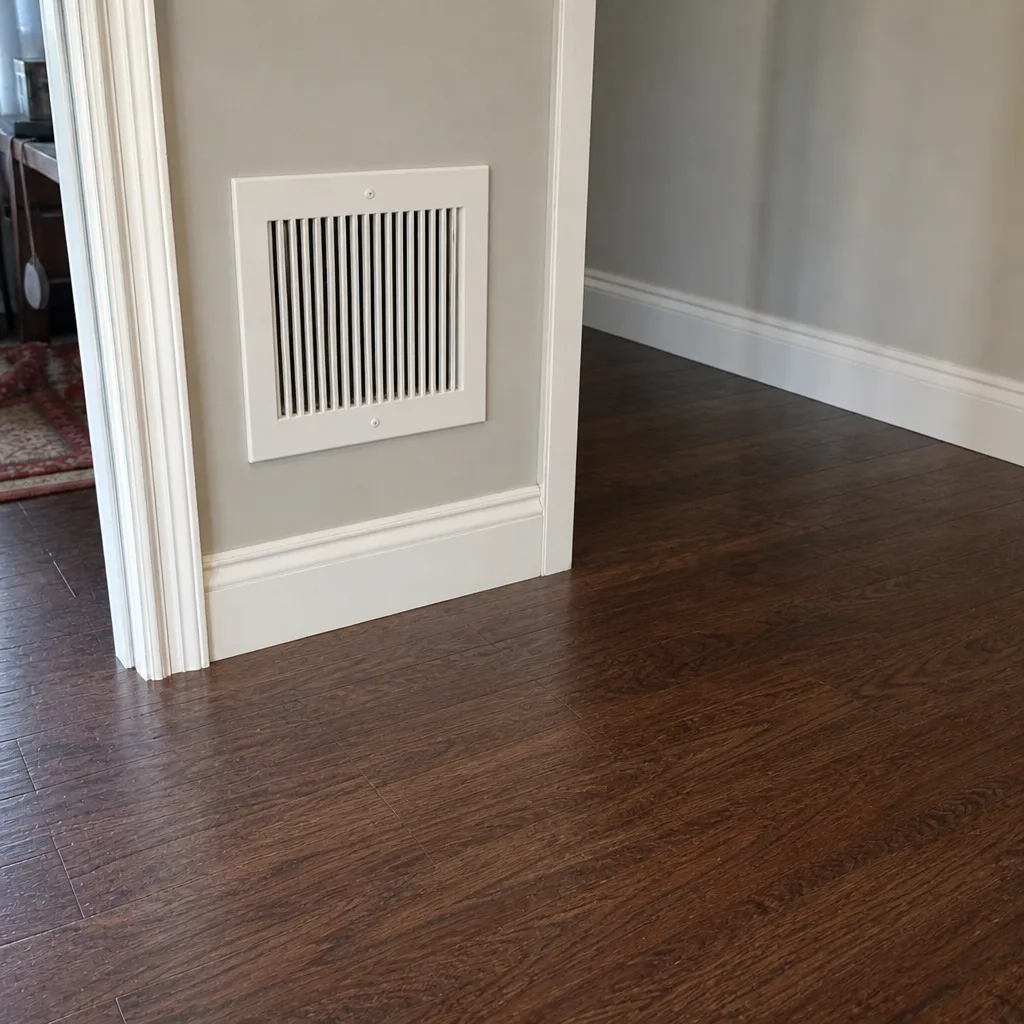 After