
Last updated November 22, 2026
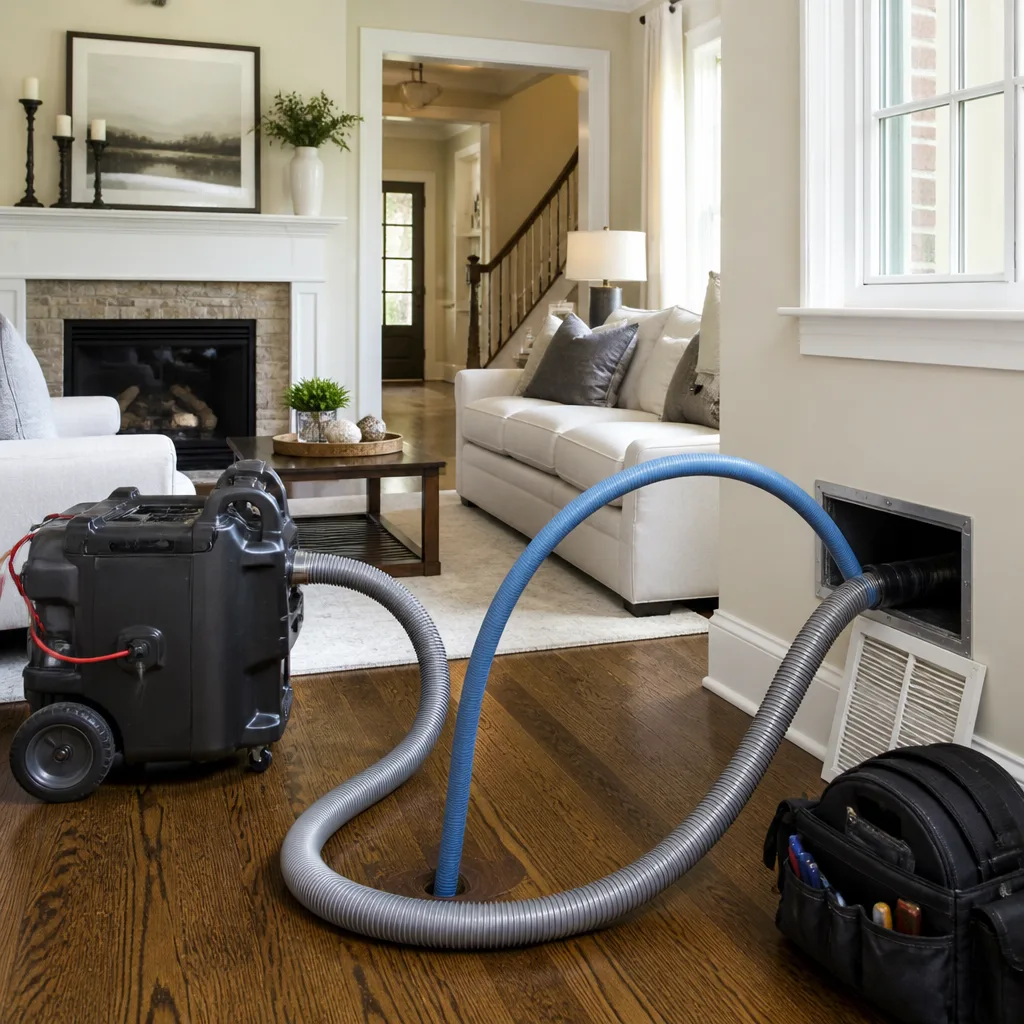 Whole-home duct cleaning
 Dryer vent cleaning
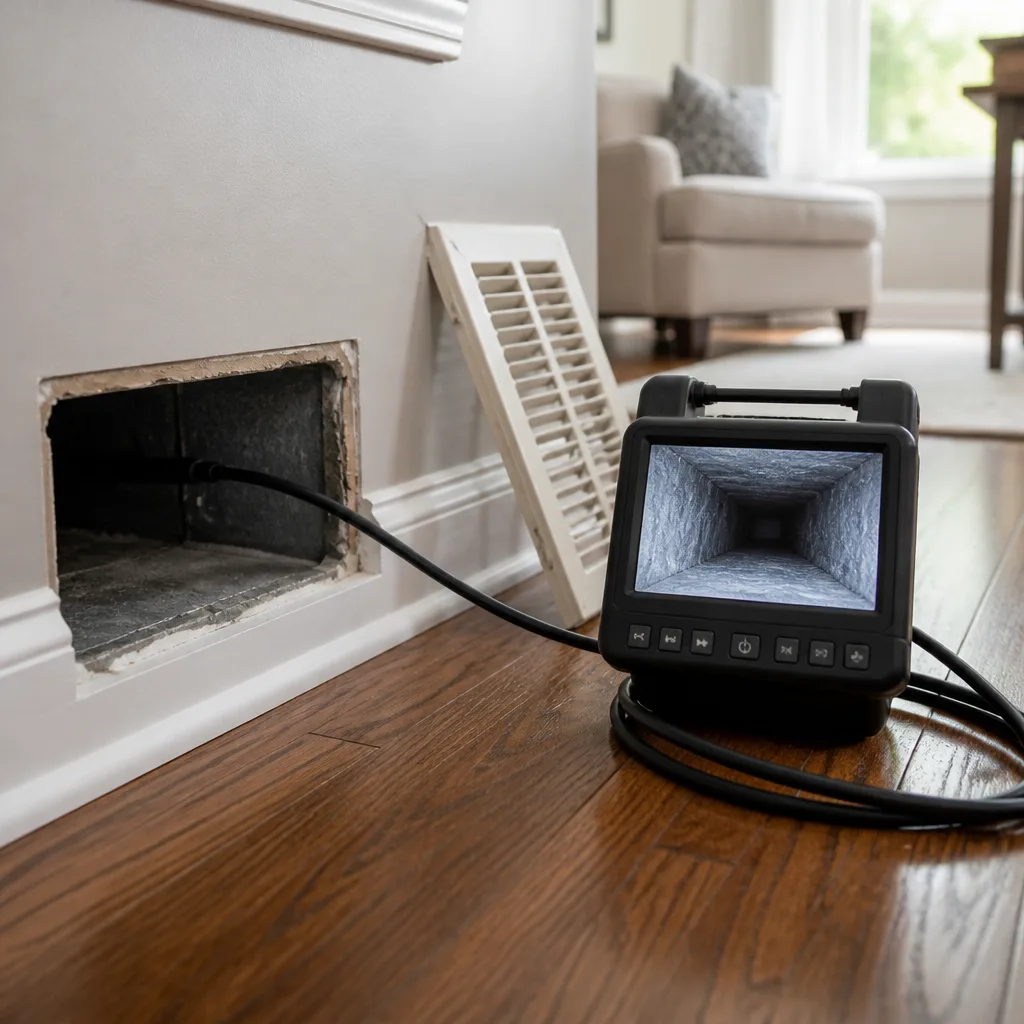 Camera inspection
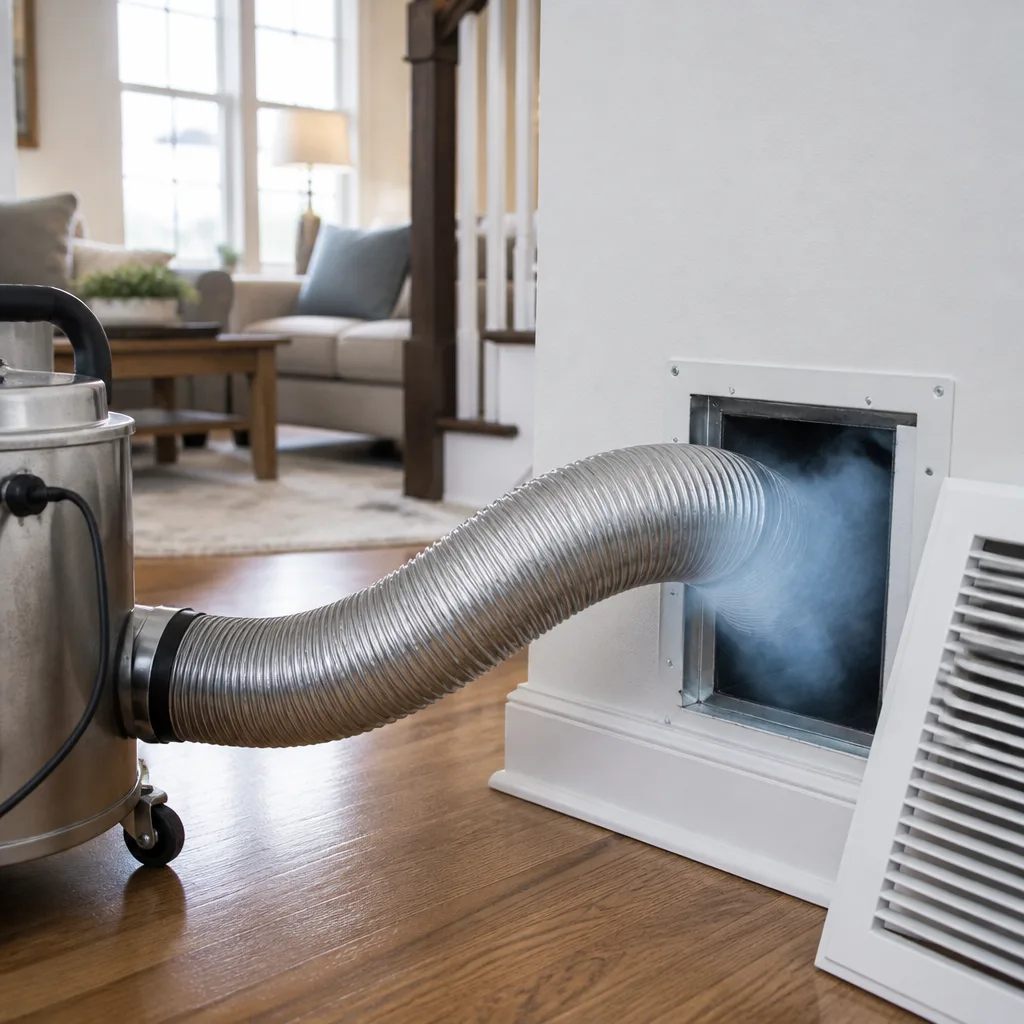 Sanitizing & deodorizing
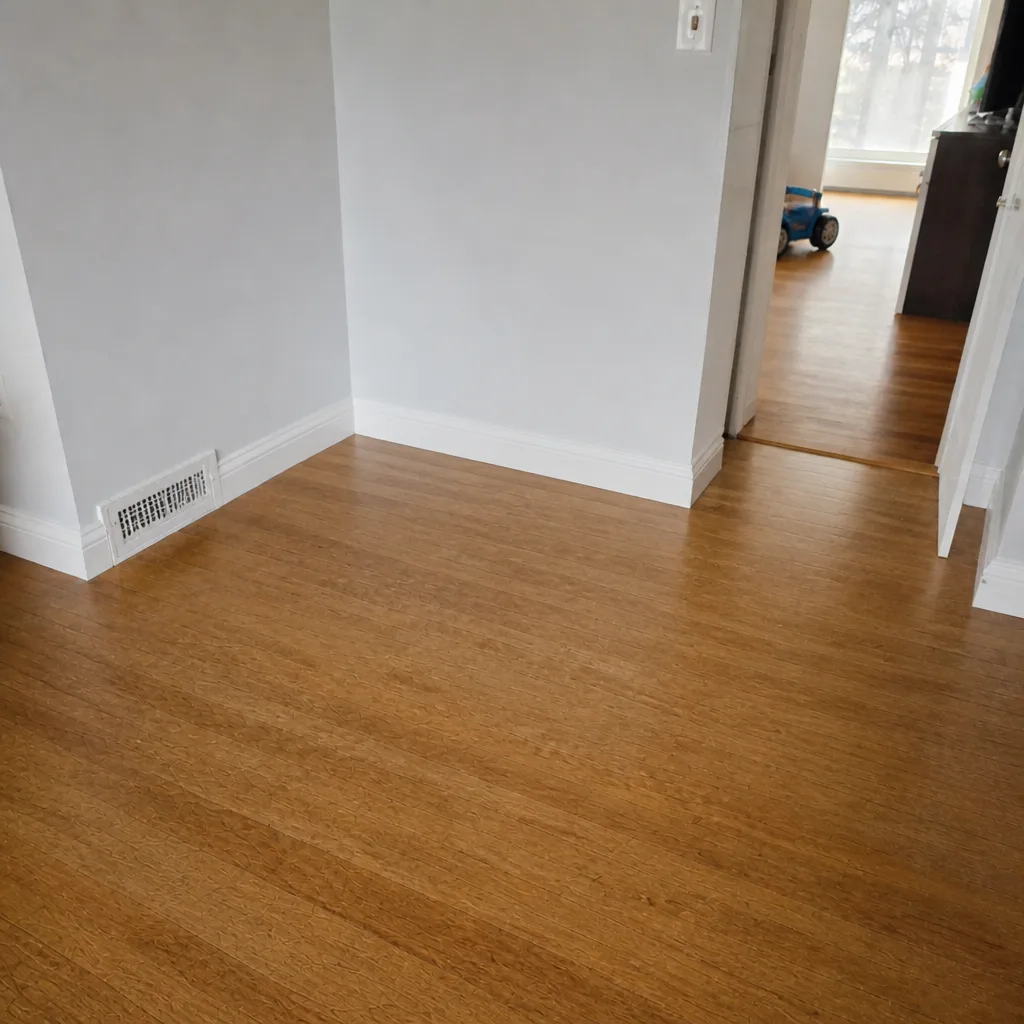
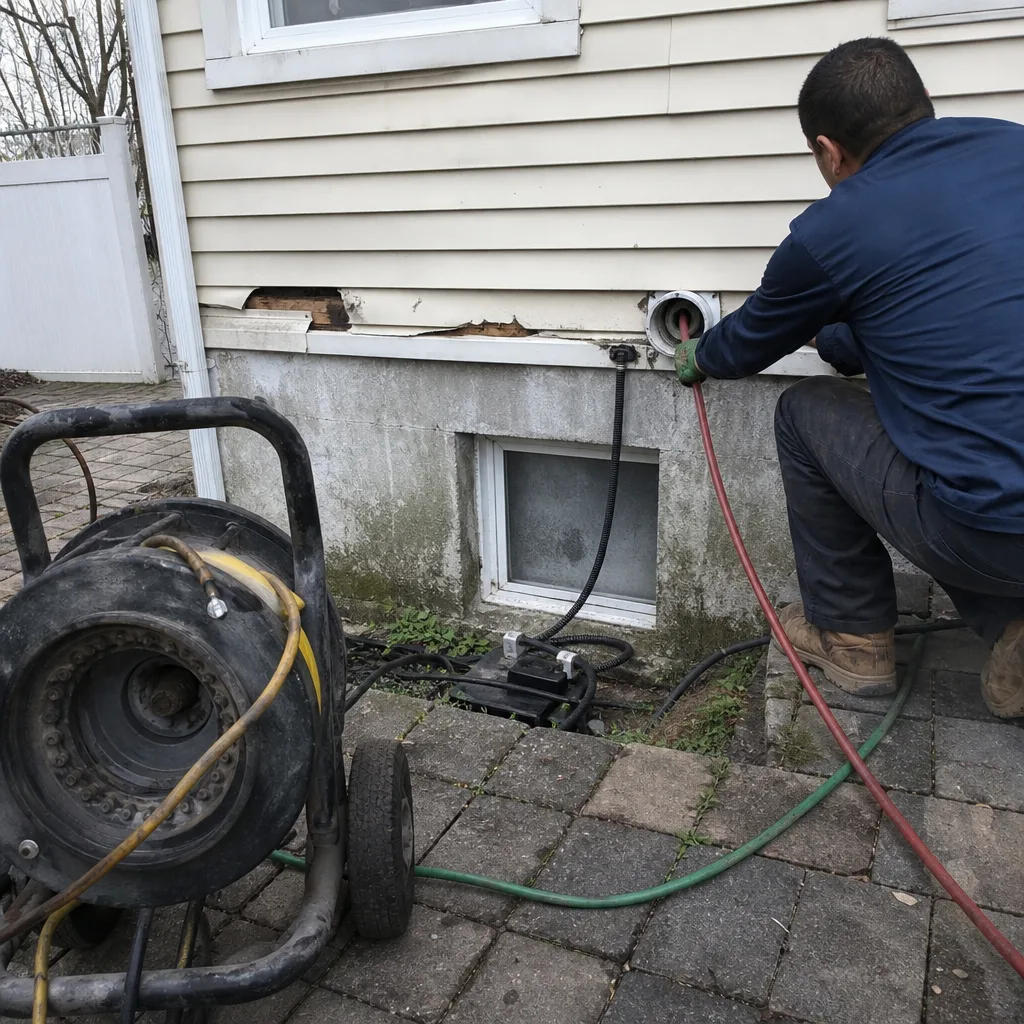
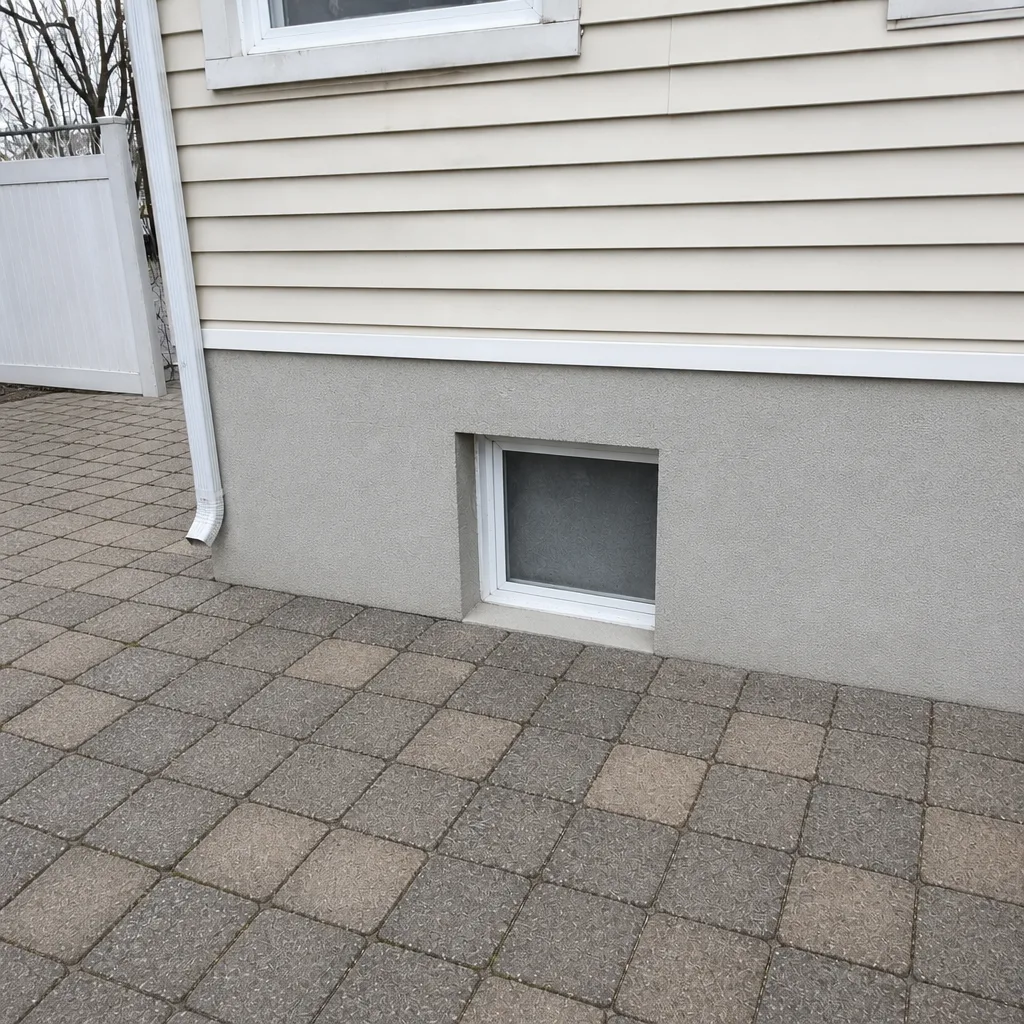
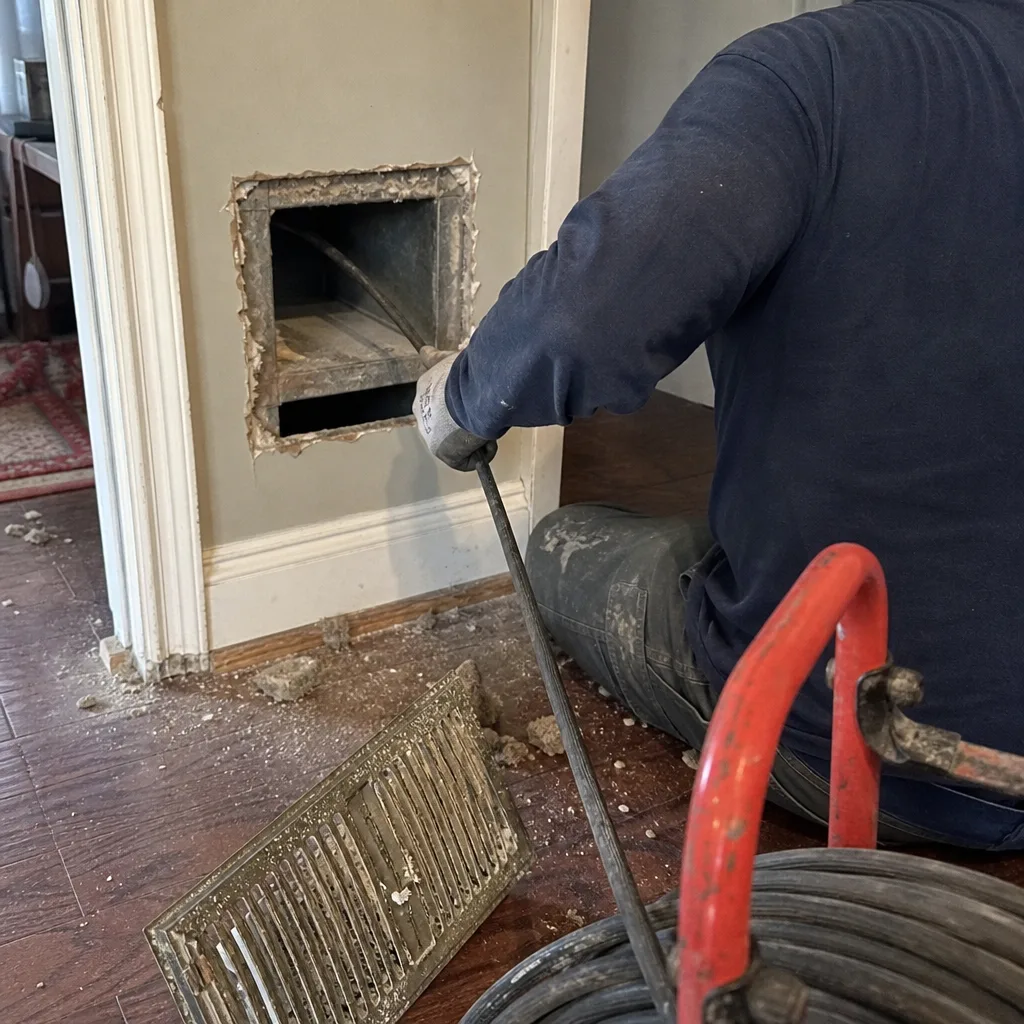
Whole-system duct and dryer vent check with before-and-after photos - you see exactly what came out of your vents
That "$99 whole-house special" is a bait ad - the real number appears once they are in your hallway, or the "clean" is a shop-vac at the register. We photograph the inside of your ducts before and after instead.
Choosing the Right Air Duct Cleaning Brand: A Buyer’s Guide for Long Island City
Most homeowners pick an air duct cleaning company based on Google reviews. It feels like the sensible move, and it’s the one nearly everyone makes. But a five-star review from a customer who never saw the equipment go into the duct, never looked at a before-and-after photo, and never read a post-job report tells you almost nothing about whether source removal actually happened. Duct cleaning is one of the few home services where the work is invisible when it’s done. The only thing you can really judge is the equipment and the process behind it. This guide explains what professional-grade systems do differently, so you can ask informed questions in Long Island City and get real answers before anyone touches your ductwork.
Quick Answer
Choose an air duct cleaning brand by asking what equipment it uses and whether it can name it. A contractor running a recognized professional platform like Rotobrush or Nikro, paired with HEPA-filtered negative-pressure containment, can actually remove debris from the source. A contractor who can’t tell you the model, the airflow rating, or how the system is sealed during cleaning is selling a vacuum pass, not source removal. In Long Island City, where most buildings are pre-war with a mix of rigid and flex ductwork, that distinction matters for both results and your indoor air.
Styles & brands we work with
- Whole-home duct cleaning
- Dryer vent cleaning
- Camera inspection
- Sanitizing & deodorizing
Table of Contents
- Why equipment is the real quality signal
- What Rotobrush systems do mechanically
- Nikro equipment: when high-CFM portable units are the right tool
- Abatement Technologies and IAQ verification
- Questions to ask any contractor about their equipment
- Rigid versus flex duct: why the system configuration matters in Long Island City
- Equipment transparency as a trust signal
- Common mistakes to avoid
- When to call a professional
- Frequently asked questions
Why Equipment Is the Real Quality Signal
The physics of source-removal cleaning are not negotiable. Dust, dander, and debris stick to duct walls through a combination of static charge and moisture. To remove them, you need two things happening at the same time: mechanical agitation to break the bond, and enough vacuum pressure to capture what you’ve loosened before it settles again. One without the other is theater. A vacuum alone pulls at the surface layer. A brush alone just pushes material down the line. You need both, and you need the system sealed so nothing escapes into the room.
That’s why the equipment brand matters more than the marketing. Consumer-grade shop vacuums and generic brush heads can’t maintain the airflow needed for true negative-pressure containment. They move a lot of air but capture very little of the fine particulate. Professional systems are engineered around the opposite principle: modest airflow with HEPA-level filtration and a sealed loop, so the debris leaves the duct and does not end up on your furniture.
In our experience, the contractors who can’t answer equipment questions are usually running exactly what you’d guess. When someone tells you they use “professional equipment” but can’t name the platform, the model, or the filtration rating, that’s not modesty. It’s a gap. And it’s the gap worth spending five minutes on before you book.
Long Island City has a particular reason to care about this. The neighborhood’s housing stock runs from pre-war walk-ups in Hunters Point and Dutch Kills to converted lofts along Vernon Boulevard and newer towers near Court Square. Those buildings have very different ductwork, and the wrong equipment for the system does more harm than good. A rotary brush run through fragile flex duct at the wrong tension can tear it. A low-CFM vacuum in a long rigid trunk line leaves the far branch runs untouched. Equipment choice is a fit question, not just a brand question.
What Rotobrush Systems Do Mechanically
Rotobrush is one of the two industry-standard platforms we rely on, and it earns its reputation through a specific mechanical advantage: a counter-rotating brush head paired with a simultaneous vacuum connection. The brush spins against the direction of travel while compressed air helps knock debris free, and the vacuum captures it at the same point of contact. Agitation and extraction happen in one motion, not two passes.
What that means in practice:
- Contact-based cleaning. The brush physically touches the duct wall, which is the only way to break the static bond on caked-on debris.
- Simultaneous extraction. Loose material leaves the duct immediately, so it doesn’t resettle downstream.
- Adjustable tension. A skilled technician sets brush stiffness to match the duct material, which protects flex duct from damage.
- Reach into branch runs. The system works down individual supply and return runs rather than only pulling at the main trunk.
For rigid ductwork, which is common in older Long Island City buildings, Rotobrush is well suited to the job. The brush follows the duct interior and scrubs the full circumference. For flex duct, the technician has to be more careful with tension and travel speed, which is why the operator matters as much as the platform. A Rotobrush in the wrong hands can still snag a liner. In the right hands, it’s one of the cleanest mechanical cleaning methods available for residential systems.
If you’ve noticed that one bedroom in your Long Island City apartment always feels stale even when the air handler is running, that’s often a sign the branch run isn’t being reached. Contact-based agitation in that run is usually what fixes it. It’s also a reminder that cleaning is a full-system job, not a single trunk line.
Nikro Equipment: When High-CFM Portable Units Are the Right Tool
Nikro Industries builds the other half of the professional equation: powerful HEPA vacuum units engineered for high-CFM operation. If you think of the brush as the tool that loosens debris, Nikro is the tool that removes it and keeps it contained. High-CFM portable units are the right choice in several specific situations.
When they’re the right tool:
- Large or complex systems. Long trunk lines and many branch runs need sustained airflow to maintain negative pressure throughout the cleaning.
- HEPA containment requirements. Nikro units with HEPA filtration capture fine particulate, which matters in occupied residential spaces.
- Commercial and multi-unit work. Property managers in Long Island City often need a system that can handle larger air volumes without losing containment.
- Backup or primary negative pressure. Even when a rotary-brush system does the agitation, a separate high-CFM vacuum keeps the whole work area under negative pressure.
We run Rotobrush and Nikro together, because the two systems do different jobs. The rotary brush provides the mechanical contact. The high-CFM HEPA vacuum holds the negative pressure that keeps everything moving toward the filter instead of into the room. A contractor running only one of these has a partial solution. Two platforms in coordination is the standard a serious air quality job should meet.
For Long Island City property managers responsible for a full building, this pairing is often what separates a cleaning that lasts from one that needs repeating in a year. It’s also what lets a technician work through a large system without breaking containment. If you manage a multi-unit building and you’re comparing quotes, the equipment question is where the real comparison lives.
That same equipment discipline applies when you book air duct cleaning for a single unit. The system size changes, not the standard.
Abatement Technologies and IAQ Verification
Abatement Technologies is the third name that matters in this conversation, and it’s the one most homeowners haven’t heard of. Abatement builds HEPA-filtered negative air machines and containment equipment used in remediation work, where the standard is verification, not just cleaning. That distinction is the point.
Cleaning removes debris. Verification confirms that the air quality outcome is real. Abatement equipment supports both sides of that. Negative air machines keep the work zone under negative pressure, so any airborne particulate is captured at the filter rather than drifting through the space. Air sampling can then confirm what’s actually in the air before and after the job.
We also work with Honeywell and Aprilaire products for air quality and sanitizing work, because filtration and humidity control are part of the same conversation as duct cleaning. But Abatement is the platform that ties cleaning to measurable outcomes. When a contractor can explain the difference between cleaning debris out of a duct and verifying the air that comes out of it, you’re talking to someone who understands indoor air quality as a system rather than a task.
For Long Island City residents with allergy flare-ups or musty odors that keep returning, that verification step is often the answer to a question they’ve been asking for months: did the cleaning actually change anything? If it’s impossible to say, the job wasn’t scoped to find out.
Questions to Ask Any Contractor About Their Equipment
This is the practical part. You don’t need to become a duct cleaning expert to evaluate a quote. You need five or six questions and a clear sense of what a good answer sounds like. Ask these before you book, ideally on the phone.
- What equipment platform do you use? A real answer names the brand. Rotobrush, Nikro, and Abatement Technologies are recognized names. “Professional-grade” is not an answer.
- What’s the CFM rating on your vacuum unit? Airflow matters for containment. A contractor who knows their equipment knows the rating.
- Is the vacuum HEPA filtered? HEPA filtration is the difference between capturing fine particulate and redistributing it.
- How do you maintain negative pressure during the job? The answer should describe sealing the system and running the vacuum before the brush starts moving.
- Do you use camera inspection? A camera lets you see the duct interior before and after, and it lets the technician confirm the brush reached the branch runs.
- Will I get before-and-after photos and a post-job report? Documentation is how you verify the work you couldn’t watch.
Ask the same questions of every contractor you’re comparing. The difference in answers is usually obvious, and it’s more informative than any star rating. A contractor who answers all six with specifics is running a real process. One who deflects two or three is telling you something too.
Rigid versus Flex Duct: Why System Configuration Matters in Long Island City
Long Island City’s housing mix produces a wide range of duct configurations, and the equipment has to fit the system. That’s not a marketing point. It’s the reason a one-size cleaning approach doesn’t work here.
Rigid galvanized duct, common in older buildings around Hunters Point, Dutch Kills, and the pre-war walk-ups throughout the neighborhood, tolerates aggressive brush work well. The metal interior is durable, and a rotary brush can scrub the full circumference without risk. These systems typically need contact-based cleaning because the debris bonds hard to the metal over time.
Flex duct, more common in converted loft spaces and newer construction near Court Square, behaves differently. The interior liner is a plastic membrane over a wire helix. Brush tension has to be adjusted down, travel speed has to be controlled, and the technician needs to be able to see what the brush is doing. A camera inspection is not a luxury in these systems; it’s a safety check.
Mixed systems, where a rigid trunk transitions to flex branch runs, are the most common situation in Long Island City. They require a technician who can switch technique mid-job and knows which runs to treat carefully. Ask any contractor how they handle flex duct before they arrive. The answer tells you whether they’ve thought about it.
This is also where a full-service approach pays off. The Air Duct Cleaning Long Island City team scopes the system first, and route the job to the right equipment configuration rather than running the same setup in every building.
Equipment Transparency as a Trust Signal
Specificity is hard to fake. A contractor can repeat marketing language about thorough cleaning, but naming the platform, the CFM rating, the filtration standard, and the inspection method requires actually knowing the equipment. That’s why transparency is itself a quality indicator.
When a contractor can’t or won’t answer equipment questions, the reason is usually one of three things:
- They don’t know. The equipment was bought or inherited without training, and the technician runs it the same way on every job.
- They don’t want you to compare. Naming a consumer-grade vacuum next to a Nikro unit doesn’t do them any favors.
- They don’t do the work described. A quote that promises source removal but delivers a surface pass doesn’t survive specific questions.
None of those is a reason to book. The contractors worth hiring talk about their equipment the way a tradesperson talks about the tools they use every day: casually, specifically, without defensiveness.
In our experience, homeowners in Long Island City who ask equipment questions before booking end up with fewer surprises and cleaner results. Not because the questions are difficult, but because they filter out the contractors who can’t answer them. That’s most of the value of this guide in one sentence.
The same logic applies across the service menu. Whether the job is dryer vent cleaning, which is a fire-prevention step many duct-only companies skip entirely, or HVAC cleaning for the air handler and coil, the equipment question is the same question. If it can’t be named, it can’t be verified.
Common Mistakes to Avoid
- Choosing on star rating alone. A five-star review from someone who never saw the equipment or a post-job report is a review of customer service, not cleaning quality. Look for reviews that mention photos, camera inspection, or a specific equipment name.
- Accepting “professional-grade” as an answer. It’s a phrase, not a platform. Ask for the brand name and the model if they’ll share it. A contractor who uses Rotobrush or Nikro will say so without prompting.
- Ignoring the flex duct question. Long Island City buildings mix rigid and flex duct, and a technician who doesn’t adjust brush tension for flex runs can damage the liner. Ask how they handle it.
- Booking a duct-only company for a full-system problem. If you have leaks, damaged duct sections, or recurring odors, cleaning alone won’t solve it. Duct repair and sealing addresses what cleaning can’t.
- Skipping the dryer vent. A duct cleaning company that doesn’t also clean dryer vents is leaving a fire-prevention step on the table. It’s a separate system with a separate risk.
- Not asking for documentation. Before-and-after photos and a written post-job summary are how you verify the work. A contractor who doesn’t provide them hasn’t given you anything to check.
- Assuming every building has the same ductwork. A pre-war walk-up in Hunters Point and a converted loft near Vernon Boulevard are not the same job. Equipment and technique should differ accordingly.
When to Call a Professional
Some signs point clearly to professional attention. If you’ve noticed musty odors when the system kicks on, visible dust blowing from supply registers shortly after cleaning, or a persistent uneven airflow where some rooms never seem to get conditioned air, those are all worth a professional look. Allergy flare-ups that correlate with the HVAC running are another signal. So is a system that hasn’t been serviced in several years and is now showing any of the above.
Dryer vents are their own category. If your dryer takes longer than it used to, or the exterior vent flap doesn’t open fully during a cycle, that’s a fire-prevention issue worth addressing rather than monitoring.
Air Duct Cleaning Long Island City offers free estimates in Long Island City. Call (833) 918-5344. We answer 24/7. Fast dispatch from 7am to 7pm, Sunday through Friday.
Frequently Asked Questions
The best choice is a company that can name its equipment, explain its containment process, and provide before-and-after documentation. In Long Island City, that means asking about Rotobrush or Nikro platforms, HEPA filtration, negative pressure, and camera inspection. A contractor who answers all four specifically is worth considering regardless of review count.
Yes, because source removal depends on simultaneous agitation and capture. Consumer-grade vacuums can’t hold negative pressure or filter fine particulate the way professional systems do. The brand is a shortcut for evaluating whether the underlying physics are met. Call (833) 918-5344 for an exact quote on your system. Estimates are free.
Ask for before-and-after photos from inside the ducts and a written post-job report describing what was cleaned and what was found. Camera inspection provides the visual record. A contractor who documents the work gives you something to verify, which is the only real way to confirm the job.
Low quotes usually reflect less equipment, less time, or a surface pass rather than source removal. A single vacuum run through the main trunk is far cheaper than a full-system job with rotary agitation, HEPA containment, and documentation. The quotes aren’t for the same work, which is why comparing them by price alone doesn’t tell you much.
Yes, but the technique has to match the material. Flex duct requires lower brush tension and slower travel so the liner isn’t damaged. It benefits from cleaning as much as rigid duct does, sometimes more, because the liner surface collects debris differently. Ask how the contractor handles flex before booking. Call (833) 918-5344 with your system details and we can talk through it.
Not necessarily, but a company with all five service lines saves you from coordinating multiple contractors for related problems. If you have leaks or a dryer vent that’s overdue, combining the work into one visit usually makes more sense than booking them separately. Air Duct Cleaning Long Island City covers cleaning, HVAC cleaning, dryer vent cleaning, duct repair and sealing, and air quality and sanitizing.
The Bottom Line
Reviews tell you how a contractor treats customers. Equipment tells you what happens inside your ducts. Those are different questions, and only one of them predicts whether debris actually leaves your system. Rotobrush, Nikro, and Abatement Technologies are the names worth knowing because each solves a specific part of the problem: agitation, containment, and verification. Ask any contractor to name their platform, their CFM rating, their filtration standard, and their inspection method. The answers will sort your quotes faster than any rating. If you want to talk through your Long Island City system with people who use this equipment every day, call (833) 918-5344. We answer 24/7. Fast dispatch from 7am to 7pm, Sunday through Friday. Estimates are free and every price is set per job by the written estimate.
Written by the team at Air Duct Cleaning Long Island City.
See the difference
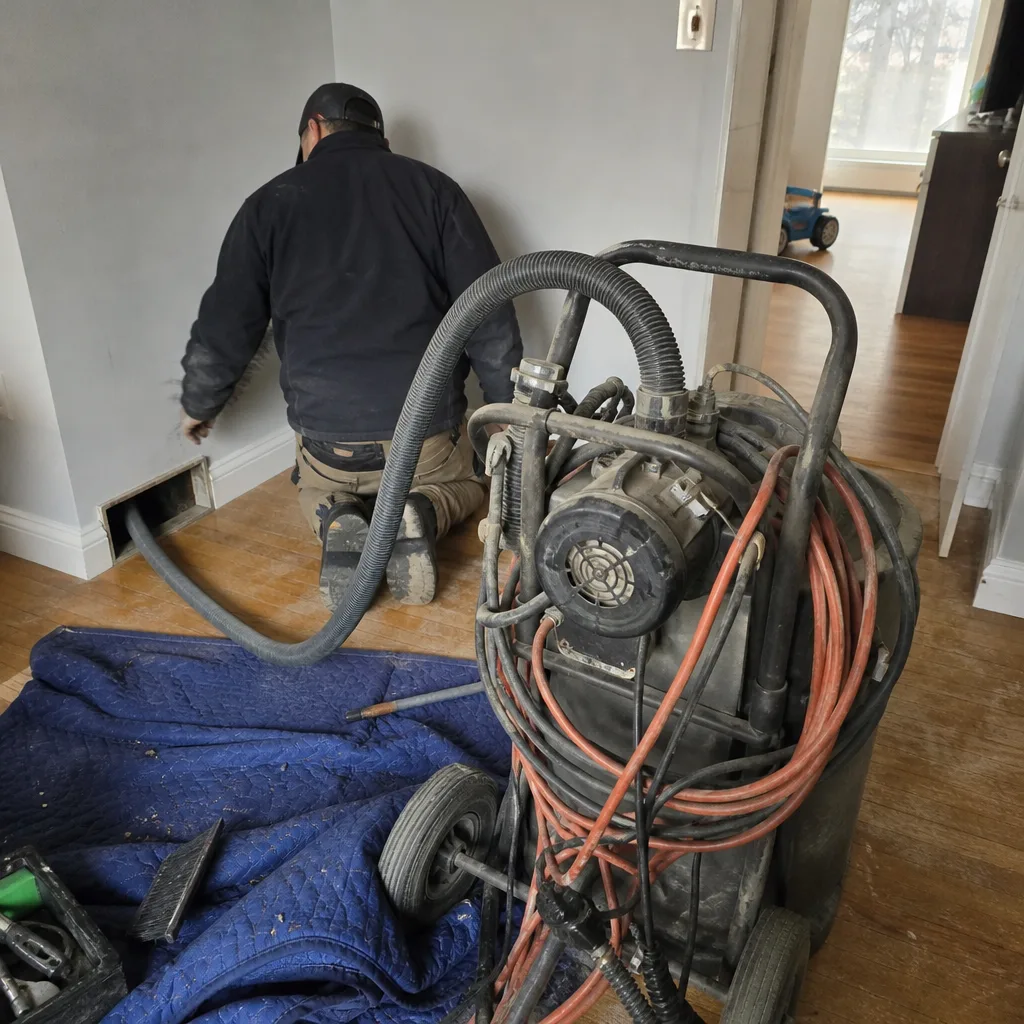 Before
 After
 Before
 After
 Before
 After